


The National Assembly has pledged to improve budgetary allocations to the Nigerian Stored Products Research Institute (NSPRI) to support effective post-harvest solutions and related interventions.
Chairman of the House Committee on Agricultural Institutions and Colleges, Rep. Abiodun Akinlade, made the commitment at the 3rd Post-Harvest Connect and Root, Tuber and Banana Conference on Wednesday in Abuja.
The conference, convened by NSPRI in collaboration with other stakeholders, was themed: “Scaling Post-Harvest Technologies for Enhanced Productivity and Competitiveness.”
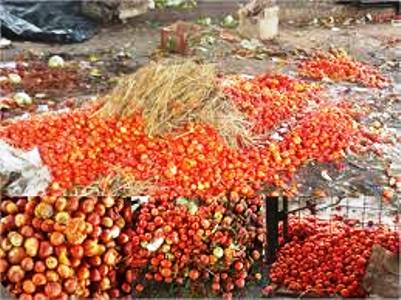
Represented by his deputy, Salman Idris, Akinlade said the committee recognizes that post-harvest losses remain one of the greatest threats to Nigeria’s food security.
He added that the committee would continue to support NSPRI and other agricultural research institutions through legislative backing, increased budgetary allocation, and advocacy for more funding.
“We are determined to ensure that institutions under our purview remain accountable, efficient, and aligned with national priorities for agricultural transformation. I reaffirm our committee’s commitment to robust oversight functions,” he said.
Akinlade described the conference as a testament to the synergy between policymakers, researchers, and industry stakeholders. He noted that it provides a platform to showcase innovations, exchange ideas, and build partnerships that strengthen Nigeria’s competitiveness in global agriculture.
“We stand ready to collaborate with NSPRI and all stakeholders to translate these innovations into scalable solutions that will benefit farmers, processors, and consumers alike,” he said.
Sen. Sharafadeen Alli, Chairman of the Senate Committee on Agricultural Colleges and Institutions, noted that substantial losses still occur between harvest and consumption, particularly in root, tuber, and banana value chains. He emphasized that addressing post-harvest losses is key to improving farmers’ incomes, expanding market access, lowering food prices, and strengthening national resilience.
Alli added that previous editions of the conference have strengthened collaboration among researchers, agribusinesses, policymakers, and development partners, while improving awareness and adoption of storage and handling technologies. He said these outcomes contribute to a more efficient and competitive agricultural value chain.
Executive Secretary of the Agricultural Research Council of Nigeria (ARCN), Dr. Adamu Dabban, described the event as timely, given the growing importance of post-harvest management for agricultural productivity and national development. He stressed that technologies developed in research institutes must be effectively disseminated, adapted, and scaled to achieve meaningful impact.
Dabban noted that the conference provides an opportunity to strengthen collaboration among research institutions, universities, extension agencies, the private sector, and development partners. He urged participants to focus on practical outcomes that improve technology scaling, access to financing, extension services, and policy support, and assured ARCN’s continued commitment to enhancing the national agricultural research system.
