


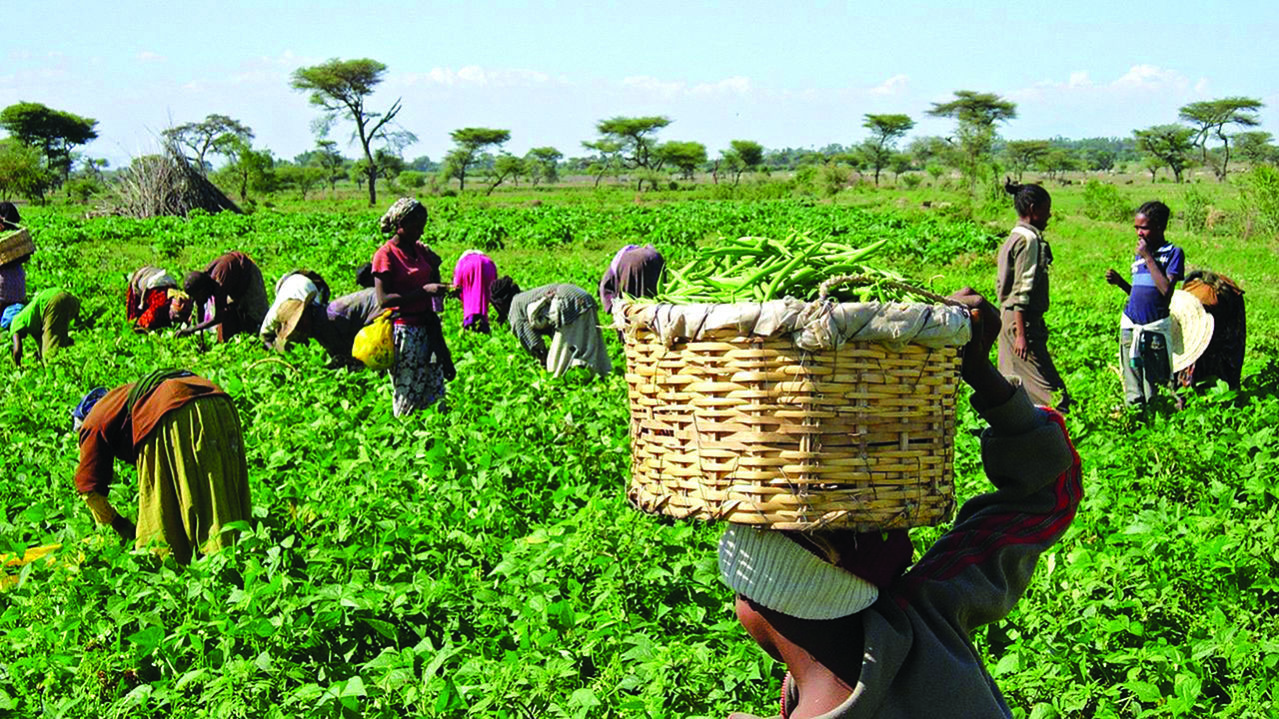
An agricultural expert, Muhammed Ibrahim, has urged farmers to adopt climate-smart agricultural practices, improve soil management and use suitable seeds to boost productivity and reduce production costs.
Ibrahim, the Chief Executive Officer of Greeneria Agritek Services, made the call in an interview with reporters on Friday in Kaduna.
He said smart agriculture does not necessarily require expensive machinery or drones, but involves proper planning, timely decisions and the adoption of appropriate farming practices.
According to him, farmers should begin by testing their soil, studying weather forecasts and determining the appropriate planting period for their locations.
He advised farmers to consult information provided by the Nigerian Meteorological Agency (NiMet) to prepare for possible weather challenges, including drought and flooding.
Ibrahim also urged farmers to use improved seeds suited to the conditions of their farms, including drought-tolerant, early-maturing and pest-resistant varieties.
He said farmers should consider organic pest-control products and organic-based fertilisers as part of efforts to improve soil health and promote environmentally sustainable farming.
The agricultural expert said some bio-organic fertiliser products could offer farmers a more affordable and portable alternative to conventional fertilisers, particularly amid rising input costs.
He explained that certain products are concentrated and can be mixed with water for application, reducing the burden of transporting bulky fertiliser bags to farms.
Ibrahim, however, advised farmers to assess fertiliser products carefully and follow recommended application rates to achieve the desired results.
He said inadequate awareness and limited access to agricultural extension services remain challenges preventing farmers from adopting improved farming practices.
“The information is available from government and non-governmental organisations, but what is needed is to take it to the farmers,” he said.
According to him, women and young people deserve particular attention in agricultural training because empowering women farmers can benefit entire communities.
Ibrahim urged farmers to begin preparing for the next farming season while harvesting their current crops, stressing the importance of identifying potential risks and planning accordingly.
“Farming is a business. Whoever ventures into business must plan to achieve what they are looking for,” he said.
He encouraged farmers to consider the specific risks associated with their locations, including flooding and pest infestations, before selecting their crops, seeds and production methods.
Ibrahim said sustained farmer sensitisation and practical training would help improve productivity, reduce avoidable losses and strengthen resilience to climate change.
