


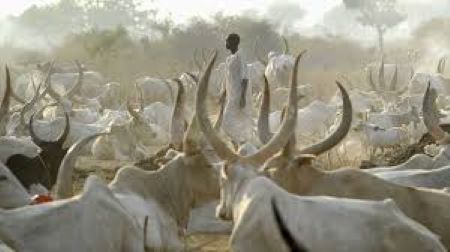
The Cross River government says it is creating investment opportunities across the livestock value chain to attract private capital, technology, and expertise in the sector.
Mr Liyel Imoukhuede, Special Adviser to Gov. Bassey Otu on Livestock Development, stated this in an interview with reporters in Calabar on Sunday.
He said the government could not finance the transformation of the livestock sector alone, stressing the need for private-sector participation in production, processing, storage, logistics, and marketing.
Imoukhuede identified cattle and dairy; poultry, piggery, sheep and goats; feed production; pasture development; meat processing; modern abattoirs; cold-chain infrastructure; livestock markets; animal health services; aquaculture; honey production; and logistics as areas open to investment.
He said existing agricultural assets, including the Obudu Ranch, the Songhai facility in Abi, Calachika poultry, and slaughter facilities in Calabar, could serve as anchors for the investment drive.
The governor’s aide said the Obudu Ranch, which has been taken over by concessionaires, has potential for cattle production, dairy development, pasture improvement, breeding, research, training, and agro-tourism.
According to Imoukhuede, the government’s focus is to ensure that the facilities deliver their intended economic value and become integrated into the wider livestock value chain.
He said the administration was working to develop bankable investment opportunities, strengthen the policy and regulatory environment, provide supporting infrastructure, and facilitate access to government and development finance programmes.
“We are also engaging development partners and financial institutions to help de-risk investments and create financing pathways for farmers and agribusinesses,” he said.
Imoukhuede said Cross River’s land, climate, water resources, agricultural ecosystem, and strategic location provided opportunities for livestock investment.
He said the government’s responsibility was to create an enabling environment while the private sector provided capital, technology, management, and access to markets.
The ultimate objective, he said, was to increase production, processing, storage, transportation, and marketing within the state, thereby creating jobs, improving food security, and expanding the state’s economic base.
