


An expert on climate, Mr Taye Ojo, says climate change has contributed to the soaring food, irrigation and petrol costs and other production challenges.
Ojo, the Programmes Manager of the Development of Education Action Network (DEAN), told reporters in Abuja on Wednesday that smallholder farmers were particularly affected.
He said this was because they produced a significant proportion of the food consumed by communities.
“Sometimes they (smallholder farmers) find it difficult to even transport their farm produce to the market.
“This is not even just about the distance now. Even accessible roads to where they can sell the farm produce become a challenge.
“Some of these farmers cultivate perishable farm produce. So if the time to which they can access market is elongated, definitely they will bring perished goods to the market so they can only sell at a loss,” he said.
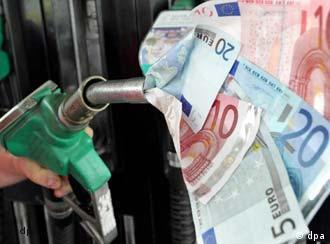
According to him, irrigation farmers are spending more on petrol to pump water from drying rivers, while also bearing engine oil and maintenance costs.
Ojo said the rising production costs were eventually passed on to consumers through increased food prices.
Data from the National Bureau of Statistics (NBS) show that food inflation remains a major contributor to Nigeria’s cost-of-living crisis.
Food inflation stood at 17.52 per cent year-on-year in June 2026, lower than the 25.41 per cent recorded in June 2025.
However, on a month-on-month basis, food inflation increased to 3.75 per cent in June from 2.98 per cent in May.
Similarly, the National Average Cost of a Healthy Diet per adult per day stood at N1,541 in March 2026, representing a 1.89 per cent increase from N1,513 in February.
Ojo said Nigeria’s rising food inflation reflected structural and economic pressures, including high agricultural input costs, exchange-rate depreciation and insecurity in farming communities.
He also emphasised that rising transportation expenses and weaknesses in food supply chains were major factors increasing the cost of food production and distribution.
Ojo, who is also the Project Lead of DEAN’s Climate Democracy Accelerator Programme, said excessive heat was affecting crops such as yam.
He said some farmers experienced spoilage even at harvest, adding that climate-related challenges were compounding existing agricultural problems.
“Once the cost of their production increases, then it is no longer a miracle or a surprising thing that the cost of food will also increase,” he said.
Ojo said poor roads, limited access to agricultural inputs and inadequate climate-smart farming practices were further worsening the challenges faced by farmers.
He urged governments and other stakeholders to prioritise interventions that would reduce farmers’ production costs and strengthen their capacity to adapt to climate change.
