

• Home
  • Agric
  • Sci & Tech
  • Health
  • Environment
  • Hausa News
  • More
    • Business/Banking & Finance
    • POLITICS
    • Entertainments & Sports
    • International
    • Investigation
    • Law & Human Rights
    • Africa
    • ACCOUNTABILITY/CORRUPTION
    • Hassan Gimba
    • Column
    • Prof. Jibrin Ibrahim
    • Prof. M.K. Othman
    • Defense/Security
    • Education
    • Energy/Electricity
    • Entertainment/Arts & Sports
    • Society and Lifestyle
    • Food & Agriculture
    • Health & Healthy Living
    • International News
    • Interviews
    • Investigation/Fact-Check
    • LAW & HUMAN RIGHTS
    • Oil & Gas/Mineral Resources
    • PRESS FREEDOM/JOURNALISM/PR
    • General News
    • Presidency
  • About Us
    • Contact Us
    • Board Of Advisory
    • Privacy Policy
    • Ethics Policy
    • Teamwork And Collaboration Policy
    • Fact-Checking Policy
    • Advertising
  • Media OutReach Newswire
    • Wire News
  • The Stories
Facebook Twitter Instagram
Trending
  • Iran–US/Israel war and Nigeria’s education, energy, health, security, economy: Why STEM matters – Dr. Balarabe Shehu Kakale
  • Orile-Agege LCDA urges residents to embrace sanitation
  • LASTMA reports fatal accident on Oshodi-Apapa expressway
  • Peace federation recognizes Dr. Aniebonam
  • Borno warns of Cholera outbreak amid rising cases
  • NYP to induct Obasanjo, Jonathan into hall of fame
  • Tech, Wellness take center stage at 2026 world interiors day
  • Doctor urges local-language anti-tobacco campaigns
Facebook Twitter Instagram YouTube
AsheNewsAsheNews
  • Home
  • Agric

    Tech, Wellness take center stage at 2026 world interiors day

    May 30, 2026

    FUTA Don advocates plant-based insecticides for preservation of stored agricultural products

    May 29, 2026

    Association launches sensitisation campaign against cassava mosaic virus in Kebbi

    May 27, 2026

    NGO partners with Rotary club on tree planting in Togo

    May 27, 2026

    Lagos traders, consumers lament poor patronage ahead of Eid-el-Kabir

    May 26, 2026
  • Sci & Tech

    Iran–US/Israel war and Nigeria’s education, energy, health, security, economy: Why STEM matters – Dr. Balarabe Shehu Kakale

    May 30, 2026

    Expert warns on poor personal data protection awareness in Nigeria

    May 27, 2026

    Experts identify poor data visibility as barrier to AI adoption in Africa

    May 26, 2026

    Niger govt to turn library into ICT, innovation hub

    May 26, 2026

    MTN hosts EPL watch party in Ibadan

    May 24, 2026
  • Health

    Borno warns of Cholera outbreak amid rising cases

    May 30, 2026

    Doctor urges local-language anti-tobacco campaigns

    May 30, 2026

    NIMR gets N300m solar power system to address electricity challenges

    May 30, 2026

    Experts warn of hidden dangers in fallen drugs

    May 30, 2026

    Tinubu inaugurates Lagos Vaccine Hub to serve 90.7m Nigerians by 2035

    May 29, 2026
  • Environment

    LASTMA reports fatal accident on Oshodi-Apapa expressway

    May 30, 2026

    Lagos residents back monthly sanitation exercise

    May 30, 2026

    WMO predicts hotter temperatures over next 5 years

    May 30, 2026

    Gov Otti inaugurates modern bus terminal in Umuahia

    May 28, 2026

    NRC temporarily suspends Warri-Itakpe train service

    May 27, 2026
  • Hausa News

    Otti plans 250-room 5-star hotel in Umuahia

    April 11, 2026

    Anti-quackery task force seals 4 fake hospitals in Rivers

    August 29, 2025

    [BIDIYO] Yadda na lashe gasa ta duniya a fannin Ingilishi – Rukayya ‘yar shekara 17

    August 6, 2025

    A Saka Baki, A Sasanta Saɓani Tsakanin ‘Yanjarida Da Liman, Daga Muhammad Sajo

    May 21, 2025

    Dan majalisa ya raba kayan miliyoyi a Funtuwa da Dandume

    March 18, 2025
  • More
    1. Business/Banking & Finance
    2. POLITICS
    3. Entertainments & Sports
    4. International
    5. Investigation
    6. Law & Human Rights
    7. Africa
    8. ACCOUNTABILITY/CORRUPTION
    9. Hassan Gimba
    10. Column
    11. Prof. Jibrin Ibrahim
    12. Prof. M.K. Othman
    13. Defense/Security
    14. Education
    15. Energy/Electricity
    16. Entertainment/Arts & Sports
    17. Society and Lifestyle
    18. Food & Agriculture
    19. Health & Healthy Living
    20. International News
    21. Interviews
    22. Investigation/Fact-Check
    23. LAW & HUMAN RIGHTS
    24. Oil & Gas/Mineral Resources
    25. PRESS FREEDOM/JOURNALISM/PR
    26. General News
    27. Presidency
    Featured
    Recent

    Iran–US/Israel war and Nigeria’s education, energy, health, security, economy: Why STEM matters – Dr. Balarabe Shehu Kakale

    May 30, 2026

    Orile-Agege LCDA urges residents to embrace sanitation

    May 30, 2026

    LASTMA reports fatal accident on Oshodi-Apapa expressway

    May 30, 2026
  • About Us
    1. Contact Us
    2. Board Of Advisory
    3. Privacy Policy
    4. Ethics Policy
    5. Teamwork And Collaboration Policy
    6. Fact-Checking Policy
    7. Advertising
    Featured
    Recent

    Iran–US/Israel war and Nigeria’s education, energy, health, security, economy: Why STEM matters – Dr. Balarabe Shehu Kakale

    May 30, 2026

    Orile-Agege LCDA urges residents to embrace sanitation

    May 30, 2026

    LASTMA reports fatal accident on Oshodi-Apapa expressway

    May 30, 2026
  • Media OutReach Newswire
    • Wire News
  • The Stories
AsheNewsAsheNews
Home»Environment/Climate Change»Nigeria’s Explosive Crisis: Tackling the Rising Tide of Tanker and Gas Cylinder Disasters
Environment/Climate Change

Nigeria’s Explosive Crisis: Tackling the Rising Tide of Tanker and Gas Cylinder Disasters

Abdallah el-KurebeBy Abdallah el-KurebeFebruary 3, 2025Updated:February 3, 2025No Comments5 Mins Read
Share
Facebook Twitter LinkedIn Pinterest Email

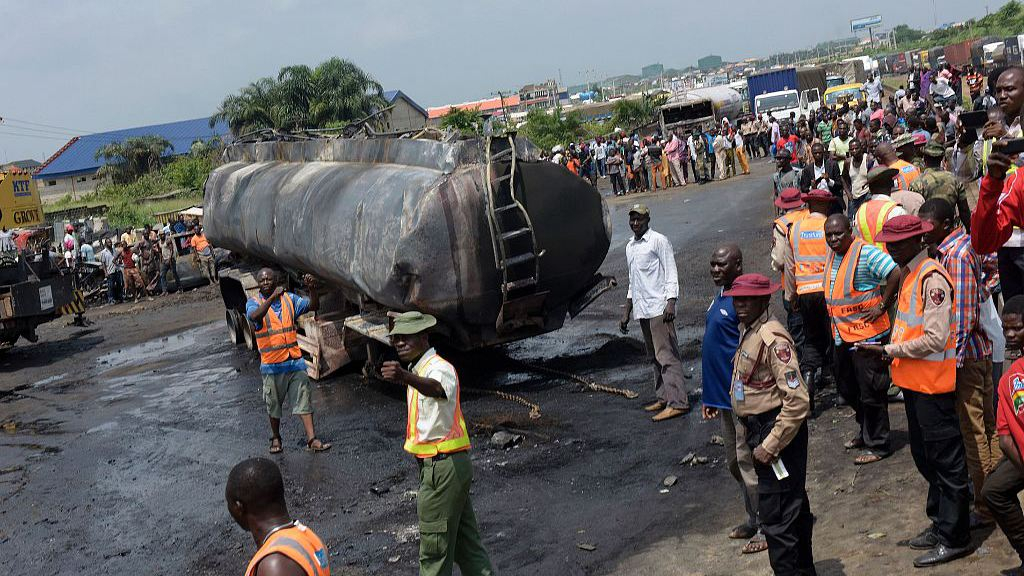
In recent years, Nigeria has witnessed a distressing series of fuel tanker and gas cylinder explosions, leading to significant loss of life and property. These incidents not only highlight systemic safety challenges but also underscore the urgent need for comprehensive preventive measures.

By Abdallah el-Kurebe

A grim chronicle of tragedies

In January 2025, a devastating explosion occurred near Suleja, Niger State, when a fuel tanker overturned at Dikko junction. While the local residents gathered to collect the spilled petrol, the site ignited, resulting in a catastrophic blast that claimed at least 98 lives and injured 69 others. The inferno also destroyed approximately 20 shops, causing property losses estimated in the millions of Naira.

Just a week later, in Enugu State, another tanker carrying gasoline lost control on the Enugu-Onitsha Expressway, where a gasoline tanker lost control and collided with 17 vehicles, resulting in an explosion that claimed at least 18 lives and injured 10 others. The victims were reported to be “burned beyond recognition,” underscoring the severity of the incident. These events are part of a broader pattern.

On October 2024, an overturned fuel tanker in Jigawa State led to an explosion that killed over 140 people, many of whom were attempting to scoop fuel. These fatal disasters have followed a thread of avoidable life-threatening explosions.

Contributing factors

Several factors contribute to the frequency and severity of these incidents:

  1. Poor vehicle maintenance and driver training: Many fuel tankers are not adequately maintained, and drivers often lack proper training, increasing the risk of accidents.
  2. Infrastructure deficiencies: Nigeria’s road infrastructure is often in poor condition, contributing to vehicular accidents.
  3. Economic hardship: The removal of fuel subsidies has led to higher fuel prices, prompting individuals to engage in the dangerous practice of fuel scooping from accident sites.
  4. Lack of public awareness: There is insufficient public knowledge about the dangers associated with fuel scooping and improper handling of gas cylinders.

Preventive measures

To address these challenges, a multifaceted approach is necessary:

  1. Stricter regulations and enforcement: The government must implement and enforce rigorous safety regulations for fuel transportation. This includes regular inspections of tankers and ensuring they are equipped with safety features such as anti-spill valves.
  2. Public education campaigns: Raising awareness about the dangers of fuel scooping and improper gas cylinder usage is crucial. Educational programs can inform the public about safe practices and the risks involved in handling flammable materials.
  3. Improved emergency response: Enhancing the capacity of emergency services to respond swiftly to accidents can mitigate the impact of such incidents. This includes better training for first responders and investment in necessary equipment.
  4. Economic interventions: Addressing the underlying economic issues that drive individuals to engage in risky behaviors, such as fuel scooping, is essential. Providing alternative livelihood opportunities and financial support can reduce the temptation to partake in such dangerous activities.
  5. Infrastructure development: Investing in road infrastructure improvements can reduce the likelihood of accidents involving fuel tankers. he recurring nature of these tragedies underscores the need for immediate and sustained action.y implementing comprehensive safety measures, enforcing regulations, and fostering public awareness, Nigeria can work towards preventing future occurrences and safeguarding its citizens.

Although President Bola Tinubu has committed to a “swift and comprehensive” review of fuel transportation safety protocols across the country, beyond rhetoric, government, as a matter of urgency, should convene a “Summit on Tanker and Gas Cylinder Disasters”, where critical stakeholders in disaster prevention and management, will gather to find lasting solutions to the malaid.

I believe that, in addressing the frequent tanker and gas cylinder explosions in Nigeria, there is the need for a coordinated effort from multiple stakeholders.

Federal Road Safety Corps

The FRSC can contribute in Driver Training and Certification: This will be done by way of implementing comprehensive training programs for tanker drivers, emphasizing safe driving practices and emergency response.

The Corps can also help in the Enforcement of Safety Regulations: This will be to conduct regular inspections to ensure tankers meet safety standards and enforce penalties for non-compliance.

National Emergency Management Agency

The NEMA can contribute in Disaster Preparedness and Response: This will be done by developing and regularly updating disaster response plans specific to tanker and gas cylinder incidents.

The Agency can also help in Community Sensitization: This is by educating the public on the dangers of approaching accident scenes and the importance of prompt reporting.

Petroleum tanker drivers association

This Association, beyond employing staff to drive their vehicles, can help in Self-Regulation: This will be done by establishing internal safety protocols and ensure members adhere to best practices in fuel transportation.

Similarly, the Association could collaborate with authorities: This will be done by working closely with regulatory bodies to report unsafe practices and participate in safety drills.

Oil marketing companies

Oil companies would invest on infrastructure development. This will be done by developing pipelines and rail networks to reduce reliance on road transportation of fuel, thereby minimizing tanker-related risks.

They will also help in the maintenance of equipment by way of ensuring that tankers and gas cylinders are regularly inspected and maintained to prevent leaks and explosions.

Federal and state governments

These will help in the formulation and enforcement of safety policies. This will be be enactung and enforcing stringent safety regulations governing the transportation and storage of fuel and gas.

They will also organise public awareness campaigns. This will be done by launching nationwide campaigns to inform citizens about the risks associated with fuel-related accidents and the importance of safety compliance.

By leveraging the strengths and responsibilities of these and other stakeholders like the CAID, Red Cross, USAID, etc, Nigeria can develop a comprehensive strategy to mitigate the risks associated with tanker and gas cylinder explosions.

disasters FRSC Gas cylinder explosions NEMA Nigeria tanker explosion
Share. Facebook Twitter Pinterest LinkedIn WhatsApp Reddit Tumblr Email
Abdallah el-Kurebe
  • Website
  • Facebook
  • Twitter
  • LinkedIn

Related Posts

LASTMA reports fatal accident on Oshodi-Apapa expressway

May 30, 2026

Lagos residents back monthly sanitation exercise

May 30, 2026

WMO predicts hotter temperatures over next 5 years

May 30, 2026

Leave A Reply Cancel Reply

Iran–US/Israel war and Nigeria’s education, energy, health, security, economy: Why STEM matters – Dr. Balarabe Shehu Kakale

May 30, 2026

Orile-Agege LCDA urges residents to embrace sanitation

May 30, 2026

LASTMA reports fatal accident on Oshodi-Apapa expressway

May 30, 2026

Peace federation recognizes Dr. Aniebonam

May 30, 2026
About Us
About Us

ASHENEWS (AsheNewsDaily.com), published by PenPlus Online Media Publishers, is an independent online newspaper. We report development news, especially on Agriculture, Science, Health and Environment as they affect the under-reported rural and urban poor.

We also conduct investigations, especially in the areas of ASHE, as well as other general interests, including corruption, human rights, illicit financial flows, and politics.

Contact Info:
  • 1st floor, Dogon Daji House, No. 5, Maiduguri Road, Sokoto
  • +234(0)7031140009
  • ashenewsdaily@gmail.com
Facebook Twitter Instagram Pinterest
© 2026 All Rights Reserved. ASHENEWS Daily Designed & Managed By DeedsTech

Type above and press Enter to search. Press Esc to cancel.