


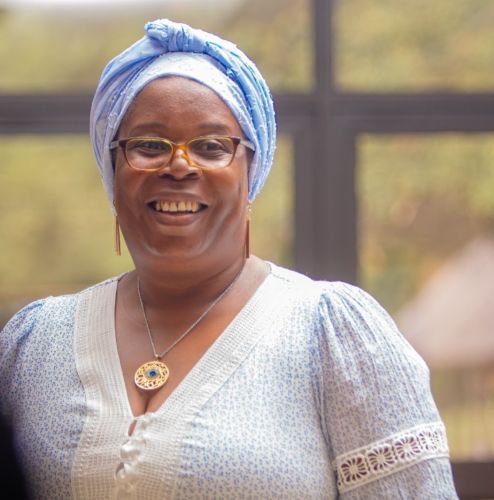
As Southern Africa marks ten years since adopting the landmark SADC Model Law on Eradicating Child Marriage, civil society groups and researchers are calling for an urgent overhaul of regional child protection strategies. Speaking at the SADC People’s Summit 2026, ecofeminist scholar and researcher Dr. Melania Chiponda warned that legal reforms alone are no longer enough to protect young girls against the compounding threats of climate shocks and rapid mining expansion.
The call, championed by global feminist network Shine Collab, advocates for a new regional framework linking child marriage prevention directly to climate justice and extractive industry accountability.
While the 2016 Model Law established 18 as the minimum age of marriage and created a vital legal foundation across the region, Dr. Chiponda emphasized that the economic and environmental landscape has drastically shifted. Southern Africa is currently experiencing a boom in the extraction of critical minerals—such as lithium, cobalt, and graphite—alongside severe recurring droughts, floods, and failed harvests.
The convergence of these forces is devastating rural communities. Land dispossession from expanding mining concessions removes families from traditional subsistence livelihoods that previously allowed girls to stay in school. Furthermore, the rise of mining boomtowns and climate-induced displacement has heightened risks of transactional sex, gender-based violence, and early forced marriage as families turn to harmful coping mechanisms for survival.
“The floor the Model Law built still matters,” Dr. Chiponda noted during her presentation, Beyond the Model Law: A Decade of the SADC Model Law on Eradicating Child Marriage, Read Through Land, Extraction and Climate Justice. “A decade on, it needs a foundation fit for the crises ahead.”
The push for reform comes amid sobering figures. According to UNICEF and SADC data, approximately 30 percent of young women in Southern Africa were married before turning 18, with nearly a third of those young brides reporting intimate partner violence. Overall, one in three girls and women in the region has experienced intimate partner violence, a crisis further exacerbated by economic instability and humanitarian displacement.
To address these systemic vulnerabilities, Shine Collab and summit stakeholders are urging governments, parliamentarians, and civil society to modernize the region’s child rights frameworks.
Key proposals include:
- Extractive Accountability: Enforcing stronger corporate accountability measures and implementing gender-responsive Free, Prior, and Informed Consent (FPIC) processes for mining projects.
- Climate Protocols: Developing dedicated climate-displacement protocols and integrating child protection into regional “just transition” and green energy agendas.
- Rights Defender Protections: Expanding monitoring indicators and increasing protections for land and environmental defenders.
As discussions continue, advocates stress that lasting progress requires moving beyond legal age limits to tackle the root economic, environmental, and structural drivers of child exploitation across the region.
