


Interior design professionals have called for stronger collaboration, technology adoption, and professional certification to advance Nigeria’s built environment sector.
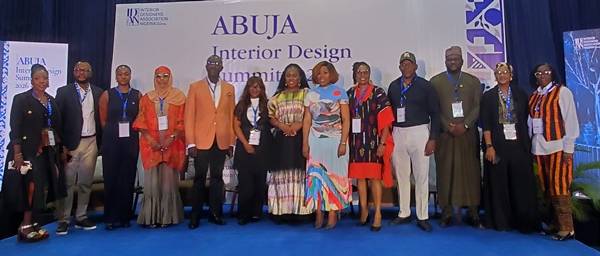
Stakeholders made this call at the Abuja Interior Design Summit 2026, organized by the FCT chapter of the Interior Designers Association of Nigeria (IDAN) on Tuesday.
The event, themed “Balancing Nature, Culture, and Technology in the Digital Age,” brought together design professionals, real estate and construction entrepreneurs, industry experts, and supply chain stakeholders.
In her welcome remarks, IDAN FCT Chairperson Anthonia Ode emphasized the need for designers to integrate nature, culture, and technology to create sustainable spaces.
“Across the world, we are witnessing unprecedented technological advancement, alongside a growing desire to reconnect with nature, preserve cultural identity, and support human well-being,” she said.
Ode added that the summit provided a platform for experts and stakeholders to exchange ideas, showcase innovations, and forge partnerships to shape Nigeria’s design future.
“Today is an opportunity to learn from experts, challenge conventional thinking, showcase innovation, and build valuable connections that will influence the future of design in Nigeria and beyond,” she said.
IDAN National President Jacqueline Aki described interior design as a vital component of the built environment that should be recognized as part of the nation’s economic engine.
“The nation is built twice: once in its structures and again in the rooms where its people live and work,” she said.
Aki highlighted the importance of quality public buildings in boosting productivity, healing, and well-being. She urged industry professionals to strengthen collaboration and develop an ecosystem that supports sustainable growth.
Founder of IDAN, Titi Ogunfere, stressed that interior designers must embrace technology while maintaining professionalism and cultural relevance.
“AI can never replace your craft. You need to master your skills and use emerging technologies to enhance efficiency and innovation,” she said.
Ogunfere called for stronger partnerships among professional bodies, educational institutions, media, and other stakeholders to advance the profession and emphasized the importance of education in producing industry-ready professionals.
In her keynote, Hannatu Musawa, Minister of Art, Culture, Tourism, and Creative Economy, described interior design as a key contributor to Nigeria’s creative economy.
Represented by Special Adviser Moriam Ajaga, Musawa stated that technology has expanded access to global design ideas but warned that innovation should not compromise Nigeria’s cultural identity.
She noted ongoing government efforts to develop policies, financing, and investment frameworks to support creative industries, including design, and promote Nigerian designers in public projects.
The summit featured panel sessions moderated by Lape Saleh, CEO of Habitat and Design Limited, focusing on technology adoption, collaboration, and cultural integration.
Dr. Amos Alao, President of the Society of Landscape Architects of Nigeria, discussed how emerging technologies like AI will influence design practices over the next decade.
Cultural designer Nmadili Okwuamabua urged professionals to develop solutions rooted in indigenous knowledge, local materials, and cultural realities, rather than solely relying on foreign models.
Security expert Jennesse Haruna highlighted the growing use of smart technologies in buildings and called for greater emphasis on security and community engagement in design.
Prof. Dolapo Amole of Obafemi Awolowo University stressed the importance of specialized education, stating that training must prepare professionals to meet local needs while adhering to global standards and utilizing emerging technologies.
Mrs. Rakiyat Odunsi urged participants to continue promoting designs that integrate culture, technology, and environmental sustainability, while fostering industry collaboration. She expressed gratitude to speakers, sponsors, partners, and organizers for making the summit a success.
