


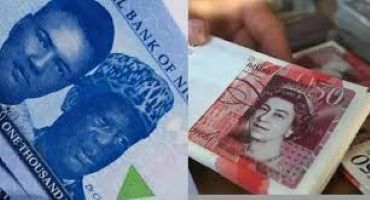
The Nigerian naira strengthened against the British pound on Friday, appreciating to about ₦1,825 per pound in the official foreign exchange market as growing political uncertainty in the United Kingdom continued to weaken the British currency.
Market data indicated that the naira has recorded a notable improvement against the pound in 2026, rising by roughly 7 per cent from its opening level of around ₦1,949/£1 at the beginning of the year. The latest appreciation reflects a combination of stronger foreign exchange inflows into Nigeria and renewed pressure on the pound in global currency markets.
At the parallel market, the pound traded at higher levels, reflecting sustained demand from importers, travellers, and individuals making overseas payments. Market operators noted that demand for foreign currencies remains strong, particularly for tuition payments, medical expenses, and international business transactions
Analysts attributed the naira’s relative stability to the Central Bank of Nigeria’s tight monetary policy stance and continued interventions aimed at supporting liquidity in the foreign exchange market. The apex bank’s benchmark interest rate remains elevated at 26.5 per cent, helping to attract portfolio inflows and support the local currency.
Additional support for the naira has come from rising foreign reserves, stronger crude oil earnings, remittance inflows, and increased domestic refining capacity led by the Dangote Refinery, which has reduced the country’s dependence on imported petroleum products. Nigeria’s improved macroeconomic outlook and recent credit rating upgrade have also boosted investor confidence.
Meanwhile, the British pound continued its downward trend in international markets, extending losses for a third consecutive session and slipping below the $1.32 mark against the U.S. dollar. Market sentiment toward sterling has been undermined by political developments in the UK, including growing speculation about leadership challenges facing Prime Minister Keir Starmer.
Reports indicate that Greater Manchester Mayor Andy Burnham’s recent political resurgence has intensified discussions about the future direction of the ruling Labour Party, raising concerns among investors about fiscal policy and political stability.
The pound has also come under pressure following the Bank of England’s decision to leave interest rates unchanged at 3.75 per cent while adopting a cautious outlook on inflation. The central bank’s stance contrasted with more hawkish moves by some major global central banks, further weakening demand for sterling.
Currency traders said the outlook for the naira will largely depend on the sustainability of foreign exchange inflows, crude oil earnings, and the Central Bank’s ability to maintain market confidence, while developments in the UK political landscape are expected to remain a key driver of pound movements in the near term.
