


Only 10 per cent of Nigerian adults borrow through formal financial channels, despite 53 per cent saving formally, highlighting a major gap between access to financial services and access to credit.
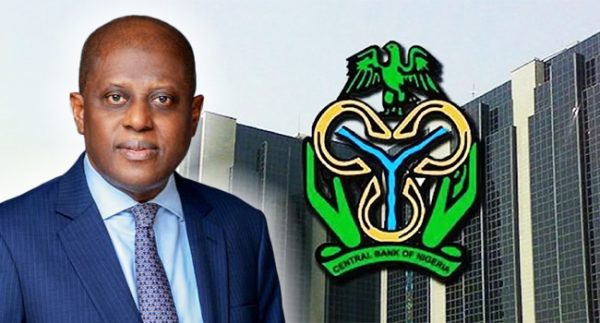
Central Bank of Nigeria (CBN) Governor, Olayemi Cardoso, disclosed this at the 61st Annual Bankers’ Dinner of the Chartered Institute of Bankers of Nigeria (CIBN) in Lagos, citing findings from the 2026 Access to Financial Services Survey.
The survey found that about 79 per cent of Nigerian adults use formal or informal financial services, while 64 per cent use digital financial services.
Cardoso said the next phase of financial inclusion should move beyond simply bringing Nigerians into the financial system to ensuring that financial services provide tangible economic value.
“While 53% of adults now save formally, only 10% borrow through formal financial channels,” he said.
According to the 2026 survey, formal savings increased from 38 per cent in 2023 to 53 per cent in 2026, while formal borrowing rose from six per cent to 10 per cent over the same period.
CBN seeks wider access to credit
Cardoso said not every household needs to take on credit, but businesses with viable prospects should be able to obtain appropriate financing.
He said individuals should also have access to financial products suited to their needs and circumstances.
The governor illustrated the challenge with the example of a market trader in Kano who receives about 200 transfers daily, saves consistently and has built a viable business.
He argued that such a trader’s financial transaction history should potentially enable her to access credit to expand the business.
“Financial inclusion should mean more than access to digital payments,” Cardoso said, stressing the need for a stronger and better-capitalised banking system capable of converting financial records into opportunities for responsible borrowing.
Digital finance expands
Cardoso noted that Nigeria’s financial ecosystem now extends beyond conventional banks to include fintech companies, payment service providers, mobile money operators and other financial institutions.
For many Nigerians, particularly young people and small business owners, he said, their main interaction with the financial system is increasingly through mobile applications, payment platforms and neighbourhood agents rather than bank branches.
He said fintechs and payment providers bring innovation and wider customer reach, complementing the traditional strengths of banks.
The CBN governor said the objective should be to create an ecosystem where these institutions reinforce one another, competition improves services and financial innovation expands economic participation.
$1bn monthly remittances achieved
Cardoso also disclosed that monthly remittance inflows through International Money Transfer Operators (IMTOs) had reached $1 billion, meeting a target set by the CBN two years ago.
He said the CBN had now set a new target of $1.5 billion in monthly remittance inflows by the middle of 2027.
The milestone follows efforts by the apex bank to increase formal remittance inflows, improve foreign exchange liquidity and reduce dependence on informal channels.
The governor said the broader objective of financial-sector reforms was to ensure that increased access translates into greater economic participation, stronger household resilience and improved opportunities for viable businesses.
The 2026 Access to Financial Services Survey, meanwhile, shows that Nigeria’s financial inclusion rate has risen to 79 per cent, while formal financial inclusion stands at 73 per cent. However, only 30.7 per cent of formally included adults are classified as financially healthy.
The figures suggest that while more Nigerians are entering the financial system, significant gaps remain in their ability to use financial services to build resilience, obtain productive credit and improve their economic wellbeing.
