


By Abdallah el-Kurebe
ASHENEWS reports that the Economic and Financial Crimes Commission (EFCC) has tasked journalists on budget tracking, performance, and whistle blowing on project failures, and abandonment.
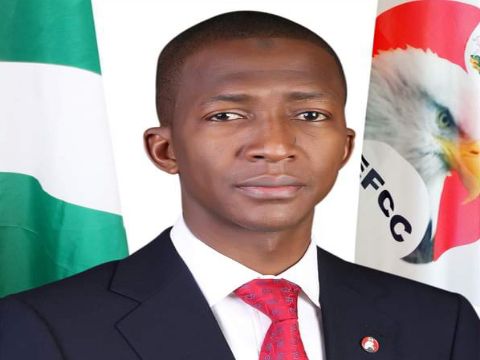
The Chairman of the EFCC, Abdulrasheed Bawa gave the charge at the opening of a one-day workshop on “Economic and Financial Crimes Reporting for Journalists” in Sokoto on Thursday.
Bawa, represented by the Zonal Commander of the EFCC, Aliyu Yunusa, said that “The task of exposing corrupt public officials calls for commitment and attention to details.
“One way of doing this is through budget tracking. Yearly budgets of government at all levels are always announced. Institutions have their budgets, as well as elected politicians for their respective constituencies.
“The media should begin to ask questions on budget performance through deliberate monitoring and reporting. Whistle blowing on project failures, abandonment of contracts, project delay and poor project delivery is minimal at the moment. I urge the media to focus more on these areas,” he charged journalists.
While appreciating journalists for the task of reporting the daily activities of the EFCC, in the last couple of years, Bawa stressed that the media has always been the mirror and monitor of other arms of government for accountable governance and quality stewardship.
“The media has proven to be a primary stakeholder and partner in patriotism in the onerous task of ridding our nation of the blight of corruption. We value this synergy and can only wish that it gets stronger,” he stressed.
The Chairman said the “workshop is one of the modest efforts of the Commission to build synergy, understanding and a more cordial relationship with the media.
“The programme was flagged off last year in some of our Zonal Commands. Its scope has been significantly expanded to make Journalists in other Zonal Commands of the Commission benefit from it,” said, adding that the task of fighting economic and financial crimes is daunting and requires an informed media for purposeful public enlightenment and mobilization.
“Without any doubt, economic and financial crimes remain a mortal threat to our individual and corporate progress. It is not only by being a victim of these crimes that we suffer losses, we also suffer limitations when our neighbours, family members, colleagues, institutions and nation fall prey to them.
“Every hole in the armor of integrity diminishes us a bit, because we are involved in humanity. This means that we should not wait until we suffer any loss before we move against corrupt practices.
“We owe our nation an obligation of exposing every shadiness and criminal act through our reporting. Journalism is the best channel to whistle blowing because of its tenets and practices.”
He urged “the media to deploy more time, energy, commitment and professional strength to exposing fraudulent activities in both the public and private sectors, keeping an eye on the activities of politically exposed persons and exposing those who steal our common patrimony, will help in safeguarding the nation’s resources for development purposes.
“The task of exposing corrupt public officials is not as demanding as we thought. What it really calls for is commitment and attention to details. One way of doing this is through budget tracking. Yearly budgets of government at all levels are always announced.
“Institutions have their budgets, as well as elected politicians for their respective constituencies. The media should begin to ask questions on budget performance through deliberate monitoring and reporting.
“Whistle blowing on project failures, abandonment of contracts, project delay and poor project delivery is minimal at the moment. I urge the media to focus more on these areas,” Bawa said.
