


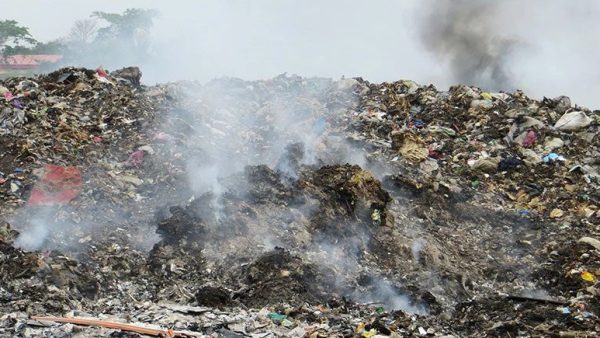
The Borno Government says it is exploring a waste-to-wealth initiative to create jobs, stimulate economic activity and improve environmental sanitation by recycling waste and converting it into useful products.
The General Manager of the Borno State Environmental Protection Agency (BOSEPA), Dr Abubakar Sulaiman, disclosed this in an interview with reporters in Maiduguri on Monday.
Sulaiman said the initiative would transform discarded materials into valuable resources instead of allowing them to accumulate in streets, residential areas and other public spaces.
He explained that the programme would involve sorting waste, processing reusable materials and converting organic waste into products such as charcoal and other useful by-products.
According to him, the approach would reduce indiscriminate waste disposal, create income-generating opportunities, improve environmental hygiene and contribute to climate change mitigation.
The BOSEPA general manager said the agency had been implementing aspects of the initiative since 2020 through training and public awareness programmes to promote sustainable waste-management practices.
He said more than 500 women and children had received training to strengthen community participation and equip them with practical waste-management skills.
Sulaiman, however, identified inadequate equipment, funding constraints and the high cost of diesel as major challenges affecting effective waste collection and processing.
He said providing waste-collection vehicles, sorting centres and recycling machines would enhance the agency’s capacity to manage the increasing volume of waste generated by the state’s growing population.
He called for stronger collaboration among government, universities, communities and private investors to establish a sustainable waste-recycling system.
Sulaiman also urged residents, traders and business operators to maintain clean surroundings, dispose of refuse properly and support sanitation workers.
He said sustained investment, public awareness and stakeholder cooperation were critical to transforming waste into an economic resource while reducing environmental pollution.
