


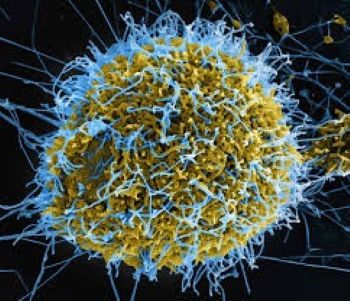
The Bundibugyo virus disease outbreak in the Democratic Republic of the Congo (DRC) has intensified, becoming the largest Ebola outbreak ever recorded in the country, the World Health Organization (WHO) has said.
In a statement issued on Saturday, WHO said the outbreak had spread to five provinces, affecting 49 health zones, with sustained transmission, rising infections and increasing deaths reported nationwide.
As of 30 July 2026, the DRC had recorded 3,605 confirmed cases, including 1,587 deaths, representing a case fatality ratio of 44 per cent.
The outbreak, initially confined to Mongbwalu Health Zone in Ituri Province, has expanded to North Kivu, South Kivu, Haut-Uélé and Tshopo provinces, raising concerns over further transmission.
WHO said authorities recorded the highest weekly figures so far during epidemiological week 30, with 567 new cases and 296 deaths, highlighting the worsening public health emergency.
The agency warned that insecurity, population displacement and mobility, and cross-border movements were complicating response efforts and increasing the risk of further spread across affected regions.
WHO said national authorities, together with the organisation and other partners, were implementing response measures but emphasised that interventions required urgent scaling up to contain transmission.
According to the agency, a regional preparedness framework is guiding response activities across Africa, while neighbouring countries continue to strengthen surveillance systems and outbreak preparedness measures.
WHO said Uganda declared the end of its Bundibugyo virus disease outbreak on 28 July after completing 42 consecutive days without a locally transmitted confirmed case.
The organisation, however, urged continued vigilance in Uganda and other countries, warning that ongoing transmission in the DRC posed significant risks of cross-border spread.
