


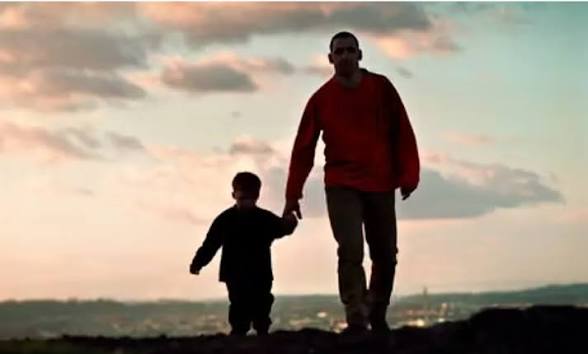
As Nigeria celebrates Father’s Day 2026, many fathers are battling a silent, severe mental health crisis driven by crushing economic hardships and deep societal pressures.
They also decried systemic gender bias and the lack of support structures for men in Nigeria and Africa, urging immediate nationwide action to promote mental health advocacy and institutional recognition for men.
Fathers spoke with reporters on Sunday in Lagos, sharing their expectations for stronger family bonds and a more inclusive society.
It was reported that Father’s Day 2026 is being celebrated on Sunday, June 21. It is an annual observance marked on the third Sunday of June.
Highlighting the psychological burden modern men carry, a Men’s Mental Health advocate, Ms. Halima Layeni, emphasized that a severe mental health crisis, driven by relentless societal pressures and economic challenges, quietly affects Nigerian fathers.
Layeni, Founder and Executive Director of the Life Abuse Foundation (LAAF), provided a grim overview of key issues confronting men nationwide, including underemployment, financial insecurity, and high rates of unreported domestic violence against men.
To address this crisis, Layeni called for the urgent establishment of a Federal Ministry of Men Affairs to ensure men receive the necessary structural protection and psychological support.
“The establishment of the Ministry of Men Affairs is crucial.
“The ministry will focus on men’s unique issues, improve health outcomes through targeted campaigns, and create economic opportunities to enhance stability and reduce poverty among men,” she said.
Corroborating her position, civil servant Mr. Ferdinand Okoji noted that the pressure to fulfill traditional roles as primary providers without domestic appreciation causes severe psychological stress in men.
“Fathers work tirelessly to put food on the table, care for the family, and ensure everyone is happy.
“However, most women take this for granted.
“This creates a lot of stress for men trying to meet daily obligations,” Okoji stated.
He added that instead of finding their homes as peaceful sanctuaries to unwind from economic anxieties, many men face hostile environments.
“When men return home, instead of their wives calming their stress, they often add to it.
“It’s unfortunate, and the challenge persists as the country’s economic situation worsens,” he told reporters.
Also contributing, 60-year-old father Papa Ejima lamented how macroeconomic hardships—such as inflation, unemployment, terrorism, and kidnapping—directly impact paternal mental health, especially when children project societal failures onto their fathers.
Papa Ejima expressed concern that current hardships have triggered a wave of youth migration (Japa), leaving aging parents, particularly fathers, isolated and anxious about their future care.
He noted that mothers usually join their children when it’s time for “omugwo” (postpartum care).
“I have a daughter who graduated from university two years ago, and she’s unemployed.
“Every day, she blames me for the hardship in the land and demands to migrate abroad for a job.
“So, the challenge now is, who will care for me in old age if they all decide to leave in search of greener pastures?” he asked.
