


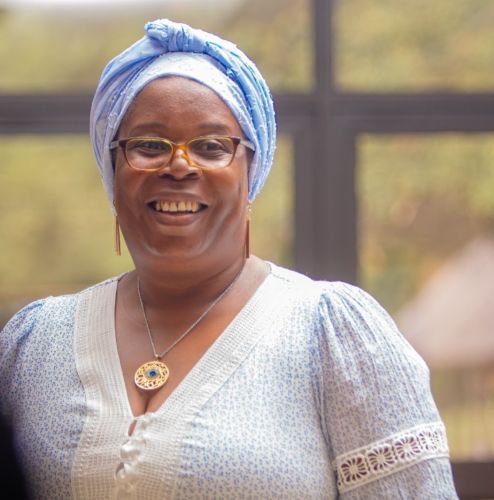
Shine Collab has called on African governments and regional institutions to put women at the centre of the continent’s energy transition, warning that energy poverty is deepening inequality, unpaid care work and poor health across the region.
Harare call
The appeal was made in Harare, Zimbabwe, in June 2026 on the sidelines of the 64th sessions of the UNFCCC Subsidiary Bodies in Bonn, Germany, where the organisation launched a new advocacy brief titled Whose Energy Is It Anyway? Centring Women’s Voices and Realities in Africa’s Energy Future.
Dr Melania Chiponda, executive director of Shine Collab and author of the brief, said women are often the first to feel the effects of deforestation and climate stress because of their social roles, making energy poverty a gendered issue that affects health, education, income and rest.
Energy poverty burden
The brief says nearly 600 million Africans still lack reliable access to electricity, with Sub-Saharan Africa accounting for 77 percent of the world’s energy-poor population. It adds that women and girls bear the heaviest burden through fuel collection, unpaid care work and cooking with polluting biomass fuels.
According to the report, women in Sub-Saharan Africa perform more than three times as much unpaid care work as men, while in countries including Tanzania, Ethiopia, Mali and Rwanda, women spend hours each day collecting fuel and water. The brief also cites an estimate that indoor air pollution from biomass cooking fuels caused about 700,000 deaths across Africa in 2019, with women and children most affected.
Policy demands
Shine Collab said energy investments must not reinforce inequality and urged the African Development Bank, governments and development partners to adopt gender-responsive planning and financing. The brief recommends gender-disaggregated monitoring, greater women’s participation in energy governance, stronger support for clean cooking solutions, affordability measures for women-led households and participatory planning that includes rural women, women with disabilities and women in conflict-affected areas.
The group linked its message to Mission 300, a joint AfDB and World Bank initiative aimed at connecting 300 million Africans to electricity by 2030. It warned that without deliberate gender safeguards, large-scale energy projects could leave women behind.
Why it matters
The report says more than 220 million women and girls in Sub-Saharan Africa could still be living in extreme poverty by 2030, with nearly half facing food insecurity. Dr Chiponda said Africa’s energy conversation must go beyond megawatts and connections because women’s time, health, safety and economic participation are central to energy justice.
