


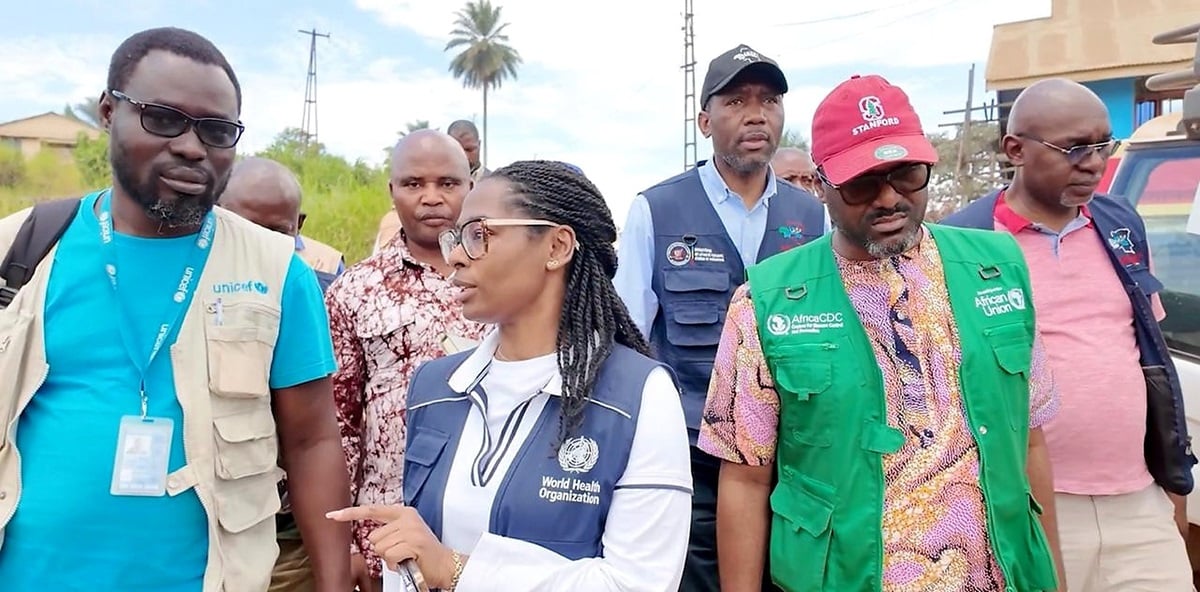
The Africa Centres for Disease Control and Prevention (Africa CDC) and the World Health Organization (WHO) have launched a joint six-month continental preparedness and response plan to address the ongoing Ebola outbreak caused by the Bundibugyo virus strain.
In a statement issued on Friday, the organizations announced that the plan aims to mobilize $518 million to help African countries and partners enhance preparedness, early detection, and rapid response efforts.
WHO Director-General Dr. Tedros Ghebreyesus stated that the plan, covering June to November, brings together governments, partners, and communities under a unified “One Response” approach to strengthen outbreak response across Africa.
“It includes emergency coordination, disease surveillance, laboratory testing, infection prevention and control, clinical care, community engagement, research, logistics, and support for essential health services,” Ghebreyesus said.
He noted that the plan complements existing national response strategies in the Democratic Republic of the Congo and Uganda, where authorities are intensifying efforts with support from Africa CDC, WHO, and partners.
He outlined core response pillars, including emergency coordination, disease surveillance, laboratory testing, infection prevention and control, clinical care, community engagement, research, logistics, and support for essential health services across affected areas.
“Implementation is already underway in affected and at-risk countries, with critical measures being strengthened in 10 priority countries for early detection and rapid response,” he added.
Africa CDC Director-General Dr. Jean Kaseya emphasized the importance of collective action and urgency in containing the outbreak and preventing further transmission within communities and neighboring countries.
“Ebola spreads quickly. Africa must respond faster. This joint plan provides a clear path for swift, unified action: to save lives, support affected countries, and protect neighboring communities,” Kaseya said.
He highlighted that the strategy places communities at the center of response efforts, recognizing that trust and participation are essential for effective contact tracing, safe care practices, and halting transmission.
“It also prioritizes protecting vulnerable populations and strengthening cross-border collaboration to identify new cases quickly.
“With no licensed vaccines or therapeutics currently approved for the Bundibugyo strain, the plan focuses on bolstering health systems to remain resilient during the emergency.
“It also emphasizes continued support for other health threats like mpox, cholera, and measles to prevent disruptions to routine care,” he added.
The organizations urged member states to enhance screening at points of entry and improve cross-border coordination to reduce the risk of further spread and strengthen regional preparedness.
Drawing lessons from previous Ebola outbreaks, officials said the plan would also bolster long-term capacity to prevent, detect, and respond to future health threats, while safeguarding lives and livelihoods.
