


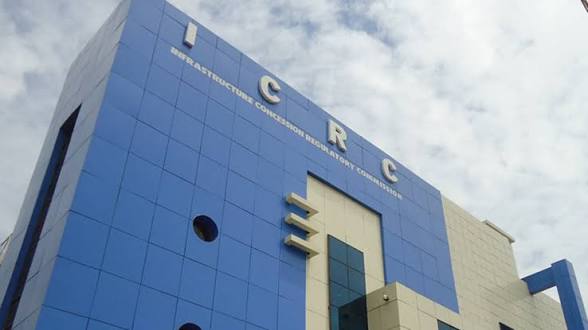
The Infrastructure Concession Regulatory Commission (ICRC) and the Ministry of Art, Culture, Tourism and Creative Economy (FMACTCE) have commenced discussions on the development of major tourism infrastructure projects across Nigeria.
A statement issued in Abuja on Sunday by Ifeanyi Nwoko, Acting Head of Media and Publicity at the ICRC, said the projects would be executed through Public-Private Partnerships (PPPs).
The statement noted that the discussions followed a meeting between the Director-General of the ICRC, Dr. Jobson Ewalefoh, and the Minister of Art, Culture, Tourism and Creative Economy, Hannatu Musawa.
Projects under consideration include a seven-star hotel, a modern concert and entertainment arena, and the revitalisation of national museums for tourism and cultural purposes. Other initiatives involve strategic collaborations with Netflix in film production, training, and creative industry development.
The statement quoted Ewalefoh as assuring the ministry of the commission’s readiness to support and fast-track viable tourism infrastructure projects capable of transforming the sector and boosting economic activities nationwide.
“The Renewed Hope Agenda of President Bola Tinubu is heavily driven by infrastructure development, and tourism infrastructure is no exception. The commission is committed to ensuring that all viable projects within the tourism and creative economy sector receive the necessary regulatory support to move from concept to implementation within record time,” he said.
Ewalefoh added that the commission had streamlined PPP processes to create a more investor-friendly environment capable of accelerating infrastructure delivery while maintaining transparency, due diligence, and regulatory compliance.
The statement quoted Musawa as describing infrastructure as central to unlocking Nigeria’s tourism and creative economy potential. She noted that the sector could contribute as much as $100 billion to the nation’s Gross Domestic Product (GDP) by 2030.
“Nigeria possesses the demographic strength and cultural capital needed to become a global tourism and entertainment hub, but critical infrastructure gaps continue to limit the sector’s growth.
“Nigeria is known for its music, fashion and food, yet we do not have the infrastructure to host the world. Our people travel to other countries for major entertainment events, and that represents a huge loss of economic value for Nigeria,” she said.
The minister stressed the need for world-class hospitality and entertainment infrastructure in Abuja and other major cities. She expressed optimism that the collaboration with the ICRC would help actualise the administration’s vision for the sector.
The discussions underscored the growing recognition that PPPs could play a critical role in addressing infrastructure deficits in the tourism sector and reposition Nigeria as a major tourism hub in Africa and globally.
