


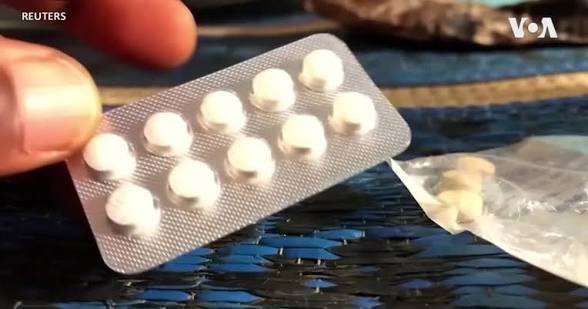
Residents of Benin City, Edo State, have decried the rising cost of pharmaceuticals in Nigeria, saying many people are now forced to abandon prescribed medications, patronise herbal remedies, or buy incomplete drug dosages.
The residents expressed their frustration in interviews on Sunday, lamenting that worsening economic conditions have severely affected access to proper healthcare across the country.
At Best Care Pharmacy on New Lagos Road, Mrs Rose Imadiyi became emotional as she narrated how financial difficulties prevented her from buying prescribed drugs after falling ill.
Imadiyi said the drugs cost about ₦7,000 while she had only ₦4,000 for feeding and healthcare.
“I chose my children over drugs because they still need to eat. I could not spend all the money on medication and leave nothing for food,” she said.
A pharmacist, Dr Nkem Daniella Ogbidi-Emmanuel, attributed the trend to the prevailing economic hardship, noting that many patients now prioritise feeding over healthcare.
“A lot of people do not have the wherewithal to cater for their health needs because of the current economic situation,” she said.
“Many believe that if they can eat well, they can manage their illnesses. Some even see proper medical care as a luxury because apart from drugs, they must pay consultation fees and laboratory investigations.”
Ogbidi-Emmanuel warned that some patients now request medication without proper tests or buy incomplete dosages to cut costs, stressing that such practices are dangerous and could worsen their health conditions.
“Even when medications are prescribed, many cannot afford the complete dosage because drugs are not subsidised,” she added.
She disclosed that nearly 80 per cent of patients struggle to balance healthcare expenses with basic survival needs, and called for government subsidies on essential medicines.
A midwife, Mrs Juliet Egbede, corroborated the situation, saying many Nigerians now prefer to “eat to live before treating illness.”
Egbede warned that resorting to incomplete dosages or relying on painkillers and herbal concoctions could lead to complications, especially among vulnerable people.
Another resident, Mr Ola Rasheed, said he had stopped going to hospitals and pharmacies because of high drug prices.
“I bought agbo (local herbal concoction) because it is cheaper. I hardly go to pharmacies or hospitals again,” he said.
Similarly, Mrs Messy Omokhua said she often buys cheaper alternatives or reduced quantities when she cannot afford full prescriptions.
