


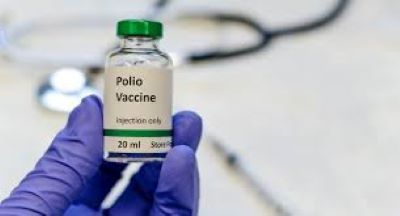
The Gombe State Government has engaged media professionals and stakeholders to strengthen awareness on polio immunisation and boost vaccine uptake ahead of upcoming campaigns across communities in the state.
The engagement, held on Thursday in Gombe, is part of preparations for the May round of Intensive Supplemental National Immunisation Plus Days (SNIPDs) campaign, targeting improved coverage and community participation statewide.
The session with journalists and social media influencers was organised by the Gombe State Primary Health Care Development Agency (GSPHCDA) to enhance public communication strategies.
The agency partnered with the National Primary Health Care Development Agency, World Health Organization, and United Nations Children’s Fund (UNICEF) to coordinate efforts aimed at increasing awareness and acceptance of vaccines among residents.
The May campaign will focus mainly on polio vaccination and the Human Papilloma Virus (HPV) vaccine, targeting children and young girls to prevent disease outbreaks and long-term health complications.
Mr Abubakar Mu’azu, District Health Information Officer (GSPHCDA), highlighted the importance of awareness, urging media stakeholders to encourage caregivers to present eligible children for vaccination during the campaign period.
Mu’azu disclosed that more than 963,000 children were vaccinated against polio during the March 2026 round but noted a decline compared to previous exercises conducted within the state.
He said more than one million children were vaccinated in June 2025, while 968,710 received doses in November, stressing the need to reverse the downward trend through intensified advocacy.
He explained that engaging the media was a strategic step to improve public trust, counter misinformation, and drive increased participation in both routine immunisation and mass vaccination campaigns statewide.
Mr John Markez, Social and Behavioural Change Consultant with UNICEF, emphasised the importance of promoting polio and HPV vaccines in preventing disease outbreaks and reducing long-term health risks.
“Not all cervical cancer cases are HPV-related, but about 70 per cent are associated with HPV. Capturing these girls at the age of nine provides long-lasting protection,” he said.
He added that mass vaccination campaigns and routine immunisation services had significantly reduced polio risks in Nigeria compared to levels recorded 15 to 20 years ago.
Emily Madina, Consultant with the Christian Health Association of Nigeria, reiterated the critical role of the media in driving awareness, influencing behaviour, and improving vaccine acceptance in underserved communities.
