


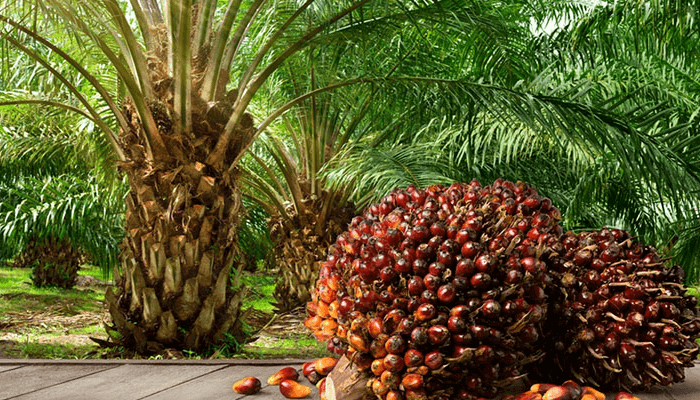
The National Palm Produce Association of Nigeria (NPPAN) says the country will achieve self-sufficiency in oil palm and secure its global market share by 2050.
The association made this statement in Abuja on Saturday, attributing the goal to the effective implementation of the National Oil Palm Development Strategy.
Mr. Alphonsus Inyang, NPPAN National President, spoke to reporters on the sidelines of the strategy’s validation meeting. He said the country’s current production of 1.4–1.5 million metric tonnes annually could rise to 9–10 million metric tonnes by 2050 under the new guidelines.
Inyang, who also serves as Vice Chairman of the Technical Working Group for the strategy, stressed that the growth would be driven by empowering smallholder farmers.
He added that the plan aims to expand oil palm production to Taraba, Niger, and Kogi States. “Taraba, with 69,000 square kilometers, is better suited for oil palm cultivation than the southern region. It also enjoys longer sunshine and water resources in some areas. Niger and Kogi States have potential as well,” Inyang explained.
The strategy will reposition Nigeria as a global leader in the oil palm industry. Key initiatives include establishing a National Oil Palm Council (NOPC), an Oil Palm Development Fund, and a National Smallholders Development Fund. The Nigerian Institute for Oil Palm Research (NIFOR) will transition into the Nigerian Oil Palm Board to oversee research, development, and innovation.
Inyang criticized Nigeria’s current global ranking as the fifth-largest oil palm producer. “We are Africa’s largest producer, importer, exporter, and consumer of palm oil,” he said, attributing the sector’s slow growth to a lack of clear governance and a central regulatory authority.
“The new strategy introduces a structured governance model, similar to Malaysia and Indonesia. The Oil Palm Development Fund will manage 25% of collected tariffs, among other resources, to drive growth,” he added.
Dr. Fatai Afolabi, Managing Consultant at Foremost Development Services, said the strategy aims to build sustainable, competitive, and inclusive palm oil production. “It leverages a hybrid development model, integrating large-scale estates with smallholders through sustainable practices, research, and efficient supply chains,” he said.
