


The Federal Government has emphasized the critical link between food security and improved health outcomes.
To this end, the government has unveiled a N17 billion intervention to support the National Community Food Bank Programme, aimed at tackling malnutrition and hunger across the country.
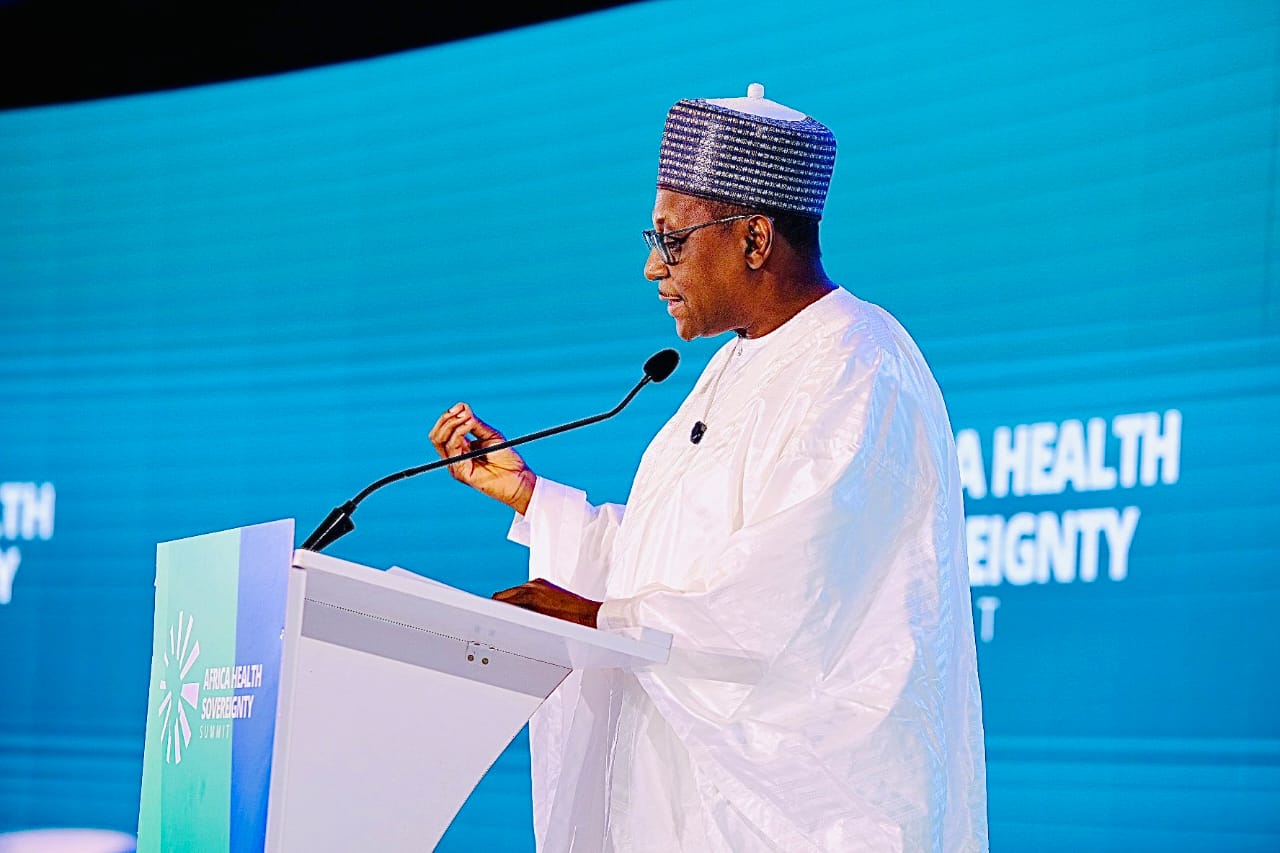
Prof. Muhammed Ali Pate, Coordinating Minister of Health and Social Welfare, made this known on Thursday in Abuja during the inauguration of the programme’s Trust Fund.
The event brought together business leaders, government officials, and stakeholders from various sectors.
Pate said the initiative aligns with President Bola Ahmed Tinubu’s Renewed Hope Agenda, which prioritizes the well-being and social protection of Nigerians. He gave special recognition to the First Lady, Sen. Oluremi Tinubu, for her leadership in conceptualizing and driving the programme.
“I wish to sincerely acknowledge the leadership of the First Lady, who conceived, guided and brought us to this point of launching this effort,” he said.
The minister stressed that addressing Nigeria’s health challenges requires a multi-sectoral approach involving health, agriculture, and social protection.
“Health does not begin in hospitals alone; it begins in our homes and communities, and it starts with adequate nutrition,” he said.
Pate described malnutrition as one of the country’s most pressing public health challenges, noting that it contributes significantly to under-five mortality, impairs cognitive development, and limits children’s growth potential.
He said the Community Food Bank Programme represents a practical and compassionate response, targeting vulnerable households, especially children under the age of six.
According to him, the N17 billion federal intervention will be deployed through a community-based model that supports local procurement at the ward level, thereby strengthening grassroots economies while improving access to nutrition.
The Federal Ministry of Health and Social Welfare will support implementation through its agencies, particularly the National Primary Health Care Development Agency, by leveraging Nigeria’s extensive network of primary healthcare centres.
Pate said the programme would be executed in collaboration with state governments, local government councils, civil society organizations, and development partners to ensure sustainability.
He called on state governments to complement federal efforts with their own contributions, noting that collective funding would significantly expand the programme’s reach.
“Hunger is not merely a food issue but a broader development concern requiring coordinated national action,” he said.
“The fight against hunger cannot be left to the government alone. It requires a whole-of-society approach where public institutions, private sector actors, and citizens work together.”
Pate revealed that anonymous friends of the First Lady had made an initial donation of $500,000 to support the initiative, with a promise of more contributions.
He urged financial institutions, corporate organizations, philanthropists, and development partners to support the Trust Fund, emphasizing that investments in nutrition would yield long-term health and economic benefits.
The minister commended those who had already made financial pledges, describing their contributions as a demonstration of shared responsibility.
On governance, Pate said the inauguration of the Board of Trustees would ensure transparency, accountability, and strategic management of the fund.
It was reported that the First Lady, Sen. Oluremi Tinubu, who formally inaugurated the Board of Trustees, described the initiative as a deliberate and sustainable response to child malnutrition in Nigeria.
She said the programme was designed to provide consistent access to nutritious food for vulnerable children, strengthen community-based nutrition systems, and restore hope to disadvantaged households.
The First Lady announced a personal donation of N500 million to the initiative and called on Nigerians to contribute, no matter how small.
“Every contribution counts. A little drop of water makes a mighty ocean,” she said.
The Community Food Bank Programme is expected to bridge the gap between food surplus and need, while strengthening local food systems and improving health outcomes nationwide.
