


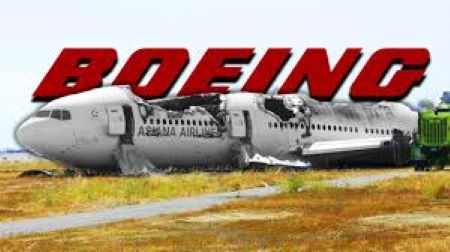
In recent years, Boeing aircraft have been involved in several high-profile and tragic air disasters, drawing global attention to aviation safety and the aircraft manufacturer’s crisis management. This report reviews five of the deadliest crashes involving Boeing jets from 2018 to 2025—each confirmed and backed by official investigations and media coverage.
Lion Air Flight JT610 – Indonesia (October 29, 2018)
Aircraft: Boeing 737 MAX 8
Fatalities: 189
Summary: Shortly after takeoff from Jakarta, the aircraft crashed into the Java Sea, killing all 189 people on board. The incident was linked to a faulty sensor and issues with the aircraft’s automated Maneuvering Characteristics Augmentation System (MCAS). It was the first major crash involving the 737 MAX series.
Ethiopian Airlines Flight 302 – Ethiopia (March 10, 2019)
Aircraft: Boeing 737 MAX 8
Fatalities: 157
Summary: Departing from Addis Ababa en route to Nairobi, the plane crashed minutes after takeoff. All 157 passengers and crew died. The crash bore striking similarities to the Lion Air disaster and led to a global grounding of the entire Boeing 737 MAX fleet for nearly two years.
China Eastern Airlines Flight MU5735 – China (March 21, 2022)
Aircraft: Boeing 737-89P
Fatalities: 132
Summary: The aircraft was en route from Kunming to Guangzhou when it suddenly entered a steep dive and crashed in a mountainous area. All 132 people on board were killed. Investigations pointed toward human input rather than mechanical failure as the probable cause, though conclusive findings are still awaited.
Jeju Air Flight 2216 – South Korea (December 29, 2024)
Aircraft: Boeing 737-800
Fatalities: 179
Summary: The aircraft crash-landed during a domestic flight and overran the runway at Muan International Airport. Of the 181 people on board, only two survived. Initial reports cited engine failure and poor weather conditions, though a full investigation is ongoing.
Air India Flight AI171 – India (June 12, 2025)
Aircraft: Boeing 787-8 Dreamliner
Fatalities: Approximately 279 (including 38 on the ground)
Summary: The wide-body Dreamliner crashed shortly after takeoff from Ahmedabad. The flight was bound for London but experienced a rapid loss of altitude. Rescue efforts confirmed only one survivor. This is the deadliest Dreamliner crash to date and has sparked renewed scrutiny over long-haul aircraft maintenance protocols.
Boeing under scrutiny
These crashes, especially the two involving the 737 MAX, led to unprecedented scrutiny of Boeing’s engineering standards, regulatory oversight, and corporate accountability. The company has since implemented software updates, overhauled safety training, and paid billions in compensation to victims’ families and affected airlines.
The most recent crash involving Air India has renewed global debate on aircraft safety—even among newer models like the 787 Dreamliner—raising questions about pilot training, aircraft maintenance, and response protocols in emerging economies.
Aviation lessons and the way forward
Each of these tragedies has reshaped the way aviation regulators, airlines, and manufacturers approach aircraft safety. From grounding fleets to tightening oversight, the industry continues to learn hard lessons about transparency, technology, and the human cost of failure.
For passengers, these incidents serve as sobering reminders of the stakes in global aviation, and the importance of demanding safety over speed or profit.
