


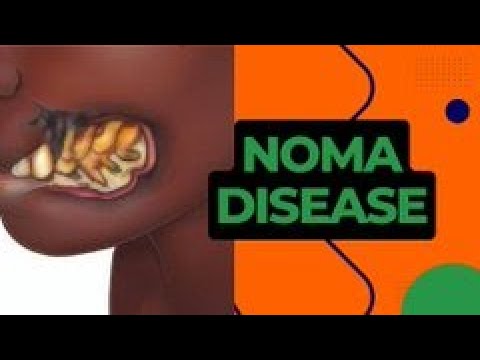
This year’s National Noma Day and Scientific Conference, held in Abuja on December 10-11, carries the theme “Listing of Noma as a Neglected Tropical Disease, What Next?” The event is particularly noteworthy as it marks the first National Noma Day since the World Health Organization (WHO) included noma in its list of Neglected Tropical Diseases (NTDs) in 2023.
The inclusion was a landmark achievement following three years of advocacy led by Médecins Sans Frontières (MSF), the Nigerian Ministry of Health, noma survivors, and partners from over 30 nations. Noma’s addition to the NTDs list recognizes it as a preventable and treatable disease, deserving of global health prioritization.
Noma: A disease rooted in poverty
Noma predominantly affects children living in extreme poverty, with its progression linked to malnutrition and unsanitary conditions. Beginning as gum inflammation, it can rapidly destroy facial tissues and bones, leaving survivors with severe disfigurement, disabilities, and stigma. Without treatment, up to 90% of cases result in death within weeks, underscoring the urgency of intervention.
MSF Health Program Manager Mark Sherlock stressed that the WHO recognition is a significant step but far from the end of the journey. “This recognition brought attention to noma and its survivors, but we need sustained focus to translate it into concrete measures for its elimination,” he said.
MSF’s three pillars for Noma elimination
One year after noma’s inclusion as the 21st NTD, MSF continues its efforts, focusing on three pillars:
- Integration of Screening and Treatment: MSF aims to incorporate noma screening and treatment into global health projects, ensuring early detection when lives can still be saved.
- Advancing Research: There is a critical need for studies into the causes and epidemiology of noma to inform strategies for its prevention and control.
- Global Advocacy and Funding: MSF is calling on the global health community and donors to prioritize noma elimination through increased funding and support.
Building on advocacy achievements
Noma survivors remain at the forefront of advocacy. Mulikat Okanlawon, co-founder of Elysium, the first noma survivors’ association, emphasized collective efforts: “A year ago, noma was added to the WHO NTD list due to our shared determination. Now, we can do even more to bring positive change to those affected and their communities.”
Sustained interventions in Nigeria
Since 2014, MSF has supported Sokoto Noma Hospital in northwest Nigeria, providing free reconstructive surgeries, nutritional aid, mental health services, and outreach programs. Over the past decade, MSF’s surgical teams have conducted 1,481 surgeries on 953 patients, with quarterly surgical interventions targeting around 40 patients each session.
Nigeria remains the only country among the 10 in the WHO Regional Noma Control Programme to annually observe National Noma Day, reflecting its commitment to awareness and action.
The road ahead
While the past year has brought attention to noma, sustained global efforts are required to eliminate it. Early detection, access to treatment, increased funding, and robust research are crucial. As Sherlock noted, “Progress must not stop here. With collective determination, noma can be consigned to history.”
MSF, active in Nigeria since 1996, continues to provide free healthcare services across 10 states, ensuring vulnerable populations receive lifesaving care and advocacy.
