

• Home
  • Agric
  • Sci & Tech
  • Health
  • Environment
  • Hausa News
  • More
    • Business/Banking & Finance
    • Politics/Elections
    • Entertainments & Sports
    • International
    • Investigation
    • Law & Human Rights
    • Africa
    • ACCOUNTABILITY/CORRUPTION
    • Hassan Gimba
    • Column
    • Prof. Jibrin Ibrahim
    • Prof. M.K. Othman
    • Defense/Security
    • Education
    • Energy/Electricity
    • Entertainment/Arts & Sports
    • Society and Lifestyle
    • Food & Agriculture
    • Health & Healthy Living
    • International News
    • Interviews
    • Investigation/Fact-Check
    • Judiciary/Legislature/Law & Human Rights
    • Oil & Gas/Mineral Resources
    • Press Freedom/Media/PR/Journalism
    • General News
    • Presidency
  • About Us
    • Contact Us
    • Board Of Advisory
    • Privacy Policy
    • Ethics Policy
    • Teamwork And Collaboration Policy
    • Fact-Checking Policy
    • Advertising
  • Media OutReach Newswire
    • Wire News
  • The Stories
Facebook Twitter Instagram
Trending
  • Bank stocks lift Nigerian market by N609bn
  • FAAN, aviation ministry meet on sector reforms
  • Otti signs Abia rehabilitation centre bill into law
  • Misinformation, hate speech threaten governance, democratic stability — CDD
  • Innovative Biotech CEO calls for reforms to boost Nigeria’s pharmaceutical sector
  • ECOWAS pushes integrated, data-driven strategy to eliminate malaria in West Africa
  • Air pollution raises cancer risk by 11%, global report warns
  • CBN, NCC sign pact to boost consumer protection, tackle fraud
Facebook Twitter Instagram YouTube
AsheNewsAsheNews
  • Home
  • Agric

    Katsina launches 2026 subsidised fertiliser programme

    April 20, 2026

    FG urges farmers to use climate forecast

    April 20, 2026

    Lagos butchers warn over rising cow prices

    April 19, 2026

    Association urges members to boost catfish value

    April 17, 2026

    WFP spends $5M on shock response in Nigeria

    April 17, 2026
  • Sci & Tech

    LIFE-ND trains Abia workers in ICT, AI

    April 20, 2026

    How Nigeria can turn research into economic growth — Onwualu

    April 20, 2026

    Lagos unveils cybersecurity guidelines

    April 20, 2026

    NITDA, CAC strengthen cybersecurity measures

    April 18, 2026

    New science labs donated to Oshodi school

    April 18, 2026
  • Health

    Innovative Biotech CEO calls for reforms to boost Nigeria’s pharmaceutical sector

    April 20, 2026

    ECOWAS pushes integrated, data-driven strategy to eliminate malaria in West Africa

    April 20, 2026

    Air pollution raises cancer risk by 11%, global report warns

    April 20, 2026

    NMA summons emergency meeting over crisis

    April 20, 2026

    PSN Kwara chairman commends Tinubu’s tax waiver for pharmaceutical sector

    April 20, 2026
  • Environment

    FAAN, aviation ministry meet on sector reforms

    April 20, 2026

    NiMet predicts mixed weather nationwide

    April 20, 2026

    Engineers call for transport reform

    April 20, 2026

    Turkish airlines, Air peace sign deal

    April 20, 2026

    Aviation drives growth in Nigeria – Kambari

    April 18, 2026
  • Hausa News

    Otti plans 250-room 5-star hotel in Umuahia

    April 11, 2026

    Anti-quackery task force seals 4 fake hospitals in Rivers

    August 29, 2025

    [BIDIYO] Yadda na lashe gasa ta duniya a fannin Ingilishi – Rukayya ‘yar shekara 17

    August 6, 2025

    A Saka Baki, A Sasanta Saɓani Tsakanin ‘Yanjarida Da Liman, Daga Muhammad Sajo

    May 21, 2025

    Dan majalisa ya raba kayan miliyoyi a Funtuwa da Dandume

    March 18, 2025
  • More
    1. Business/Banking & Finance
    2. Politics/Elections
    3. Entertainments & Sports
    4. International
    5. Investigation
    6. Law & Human Rights
    7. Africa
    8. ACCOUNTABILITY/CORRUPTION
    9. Hassan Gimba
    10. Column
    11. Prof. Jibrin Ibrahim
    12. Prof. M.K. Othman
    13. Defense/Security
    14. Education
    15. Energy/Electricity
    16. Entertainment/Arts & Sports
    17. Society and Lifestyle
    18. Food & Agriculture
    19. Health & Healthy Living
    20. International News
    21. Interviews
    22. Investigation/Fact-Check
    23. Judiciary/Legislature/Law & Human Rights
    24. Oil & Gas/Mineral Resources
    25. Press Freedom/Media/PR/Journalism
    26. General News
    27. Presidency
    Featured
    Recent

    Bank stocks lift Nigerian market by N609bn

    April 20, 2026

    FAAN, aviation ministry meet on sector reforms

    April 20, 2026

    Otti signs Abia rehabilitation centre bill into law

    April 20, 2026
  • About Us
    1. Contact Us
    2. Board Of Advisory
    3. Privacy Policy
    4. Ethics Policy
    5. Teamwork And Collaboration Policy
    6. Fact-Checking Policy
    7. Advertising
    Featured
    Recent

    Bank stocks lift Nigerian market by N609bn

    April 20, 2026

    FAAN, aviation ministry meet on sector reforms

    April 20, 2026

    Otti signs Abia rehabilitation centre bill into law

    April 20, 2026
  • Media OutReach Newswire
    • Wire News
  • The Stories
AsheNewsAsheNews
Home»Food & Agriculture»Fighting cassava’s deadliest enemies in western Kenya
Food & Agriculture

Fighting cassava’s deadliest enemies in western Kenya

Abdoulaye KayBy Abdoulaye KayOctober 16, 2024Updated:October 16, 2024No Comments4 Mins Read
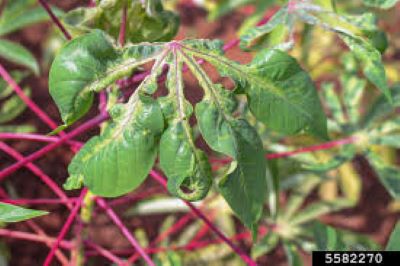
Cassava Mosaic Disease
Share
Facebook Twitter LinkedIn Pinterest Email

Cassava production in western Kenya is being threatened by an army of pests and diseases that could decimate harvests. This starchy crop—the second most important in Kenya’s western and coastal regions, after maize—feeds over 500 million people in sub-Saharan Africa, and the challenge from these threats could have devastating consequences for food security in the region. But, new research offers hope for both farmers and consumers.

In a recent study titled “Occurrence and Distribution of Major Cassava Pests and Diseases in Cultivated Cassava Varieties in Western Kenya,” scientists from IITA and the Kenya Agricultural and Livestock Research Institute (KALRO) conducted field surveys across six major cassava-producing counties to understand how two devastating diseases—Cassava Mosaic Disease (CMD) and Cassava Brown Streak Disease (CBSD)—and pests like whiteflies and cassava green mites (CGM) are affecting cassava production. Their discoveries highlight both the challenges and potential solutions to these “invisible” enemies.

CMD and CBSD are spread by whiteflies—tiny insects that feed on cassava plants. CMD causes yellow, twisted leaves, stunting plant growth, while CBSD—which causes extreme yield loss—results in brown streaks inside the cassava roots, rendering them unmarketable and inedible. These diseases are a major cause of food loss in the region.

The surveys—conducted in 2022 and 2023—revealed that CMD is widespread, but thanks to improved cassava varieties, it is not as rampant as it once was. On average, CMD affected 26.4% of plants in 2022, but improved varieties, like MM96/4271, showed far lower infection rates—only 5.9%. This variety is popular among farmers and is resistant to CMD and tolerant of CBSD, helping protect cassava yields.

One of the scientists, Senior KALRO researcher Vincent Woyengo, was pleased with the widespread adoption of KALRO-promoted improved varieties. He said, “KALRO improved varieties are tolerant to the effects of the major cassava virus diseases as well as being high yielding and adapted to environments in western Kenya. However, KALRO is keen to build on improved variety adoption by strengthening seed delivery systems, improving marketing structures, and training farmers in good agricultural practices.”

However, this multiple-front fight involves more than just disease. Whiteflies are multiplying rapidly, with 28% of surveyed fields in 2023 showing alarming infestations. CGMs are another threat, with their numbers increasing due to unpredictable weather, potentially linked to climate change. These mites feed on young cassava leaves, slowing plant growth and reducing yields.

IITA Vector Entomologist Everlyne Wosula, who led the survey team, emphasized the urgent need to re-establish routine surveillance of plant pests and diseases. She explained: “The reemergence of CGM despite previous biocontrol efforts calls for immediate research to understand the resurgence and to develop effective control measures. This is crucial, as cassava is being championed as a climate-resilient crop for food security, yet it remains vulnerable to pest outbreaks, especially under dry conditions.”

This study highlights these ongoing threats to cassava production in western Kenya, but there is good news. The extensive adoption of improved varieties like MM96/4271 shows promise in reducing the impact of these diseases. Scientists believe they can reduce crop losses and ensure cassava’s future as a reliable food source by developing disease-resistant strains and promoting better seed systems, thereby expanding the adoption of improved varieties, developing IPM strategies, and enhancing cassava’s resilience to both pests and climate-related stressors. Combining these efforts with integrated pest management will further protect cassava against its relentless enemies.

IITA Plant Health Scientist James Legg, who provides oversight for IITA’s cassava pest and disease research in East Africa, was encouraged to see how improved varieties, jointly developed by IITA, KALRO, and Uganda’s National Agricultural Research Organisation (NARO), have been widely adopted by farmers in western Kenya. Legg noted, “Teams of researchers from IITA, KALRO, and NARO put a huge effort into introducing cassava virus-resistant varieties from Uganda to Kenya in the late 1990s. This was when an epidemic of severe CMD was spreading through western Kenya like wildfire. It is wonderful to see now that several of these varieties have been so widely adopted by Kenyan farmers and are helping them to produce abundant food as well as earning extra income.”

The outcomes demonstrated by the new study have far-reaching implications for food security in Kenya and across sub-Saharan Africa, and with climate change adding pressure to African agriculture, safeguarding cassava is more important than ever.

Contributed by Uzoma Agha

Cassava Mosaic Disease IITA KALRO Kenya
Share. Facebook Twitter Pinterest LinkedIn WhatsApp Reddit Tumblr Email
Abdoulaye Kay
  • Website

Related Posts

Katsina launches 2026 subsidised fertiliser programme

April 20, 2026

FG urges farmers to use climate forecast

April 20, 2026

Lagos butchers warn over rising cow prices

April 19, 2026

Leave A Reply Cancel Reply

Bank stocks lift Nigerian market by N609bn

April 20, 2026

FAAN, aviation ministry meet on sector reforms

April 20, 2026

Otti signs Abia rehabilitation centre bill into law

April 20, 2026

Misinformation, hate speech threaten governance, democratic stability — CDD

April 20, 2026
About Us
About Us

ASHENEWS (AsheNewsDaily.com), published by PenPlus Online Media Publishers, is an independent online newspaper. We report development news, especially on Agriculture, Science, Health and Environment as they affect the under-reported rural and urban poor.

We also conduct investigations, especially in the areas of ASHE, as well as other general interests, including corruption, human rights, illicit financial flows, and politics.

Contact Info:
  • 1st floor, Dogon Daji House, No. 5, Maiduguri Road, Sokoto
  • +234(0)7031140009
  • ashenewsdaily@gmail.com
Facebook Twitter Instagram Pinterest
© 2026 All Rights Reserved. ASHENEWS Daily Designed & Managed By DeedsTech

Type above and press Enter to search. Press Esc to cancel.