

• Home
  • Agric
  • Sci & Tech
  • Health
  • Environment
  • Hausa News
  • More
    • Business/Banking & Finance
    • Politics/Elections
    • Entertainments & Sports
    • International
    • Investigation
    • Law & Human Rights
    • Africa
    • ACCOUNTABILITY/CORRUPTION
    • Hassan Gimba
    • Column
    • Prof. Jibrin Ibrahim
    • Prof. M.K. Othman
    • Defense/Security
    • Education
    • Energy/Electricity
    • Entertainment/Arts & Sports
    • Society and Lifestyle
    • Food & Agriculture
    • Health & Healthy Living
    • International News
    • Interviews
    • Investigation/Fact-Check
    • Judiciary/Legislature/Law & Human Rights
    • Oil & Gas/Mineral Resources
    • Press Freedom/Media/PR/Journalism
    • General News
    • Presidency
  • About Us
    • Contact Us
    • Board Of Advisory
    • Privacy Policy
    • Ethics Policy
    • Teamwork And Collaboration Policy
    • Fact-Checking Policy
    • Advertising
  • Media OutReach Newswire
    • Wire News
  • The Stories
Facebook Twitter Instagram
Trending
  • NITDA, CAC strengthen cybersecurity measures
  • Naira ends week slightly lower
  • YABATECH boosts skills in stop-motion animation
  • Abia gov mourns US-based doctor’s death
  • NGX urges collaboration for digital asset growth
  • New science labs onated to Oshodi school
  • Nigerian freelancers face rising financial pressure
  • Airtime borrowing myths debunked by FCCPC
Facebook Twitter Instagram YouTube
AsheNewsAsheNews
  • Home
  • Agric

    Association urges members to boost catfish value

    April 17, 2026

    WFP spends $5M on shock response in Nigeria

    April 17, 2026

    Stakeholders push investment in Nigeria’s agribusiness

    April 16, 2026

    Nigeria faces 1m tonne palm oil deficit

    April 16, 2026

    WFP spends $5m on social protection in Nigeria

    April 16, 2026
  • Sci & Tech

    NITDA, CAC strengthen cybersecurity measures

    April 18, 2026

    New science labs onated to Oshodi school

    April 18, 2026

    Nigerian freelancers face rising financial pressure

    April 17, 2026

    NDPC probes alleged CAC data breach

    April 17, 2026

    Airtel temporarily suspends credit services

    April 17, 2026
  • Health

    Abia gov mourns US-based doctor’s death

    April 18, 2026

    Family planning lowers maternal mortality by 30%

    April 17, 2026

    PCN seals 598 drug outlets in Kaduna

    April 17, 2026

    Foundation deploys health officers in Abia

    April 17, 2026

    UNILAG medicine faculty targets clinical innovation

    April 16, 2026
  • Environment

    NSIB introduces new conditions of service

    April 17, 2026

    LAWMA cracks down on environmental violations in Alimosho

    April 17, 2026

    FG hands over 132 housing units to Kwara

    April 17, 2026

    SON hosts workshop on motor energy standards

    April 16, 2026

    Nigeria pushes for better water, sanitation

    April 15, 2026
  • Hausa News

    Otti plans 250-room 5-star hotel in Umuahia

    April 11, 2026

    Anti-quackery task force seals 4 fake hospitals in Rivers

    August 29, 2025

    [BIDIYO] Yadda na lashe gasa ta duniya a fannin Ingilishi – Rukayya ‘yar shekara 17

    August 6, 2025

    A Saka Baki, A Sasanta Saɓani Tsakanin ‘Yanjarida Da Liman, Daga Muhammad Sajo

    May 21, 2025

    Dan majalisa ya raba kayan miliyoyi a Funtuwa da Dandume

    March 18, 2025
  • More
    1. Business/Banking & Finance
    2. Politics/Elections
    3. Entertainments & Sports
    4. International
    5. Investigation
    6. Law & Human Rights
    7. Africa
    8. ACCOUNTABILITY/CORRUPTION
    9. Hassan Gimba
    10. Column
    11. Prof. Jibrin Ibrahim
    12. Prof. M.K. Othman
    13. Defense/Security
    14. Education
    15. Energy/Electricity
    16. Entertainment/Arts & Sports
    17. Society and Lifestyle
    18. Food & Agriculture
    19. Health & Healthy Living
    20. International News
    21. Interviews
    22. Investigation/Fact-Check
    23. Judiciary/Legislature/Law & Human Rights
    24. Oil & Gas/Mineral Resources
    25. Press Freedom/Media/PR/Journalism
    26. General News
    27. Presidency
    Featured
    Recent

    NITDA, CAC strengthen cybersecurity measures

    April 18, 2026

    Naira ends week slightly lower

    April 18, 2026

    YABATECH boosts skills in stop-motion animation

    April 18, 2026
  • About Us
    1. Contact Us
    2. Board Of Advisory
    3. Privacy Policy
    4. Ethics Policy
    5. Teamwork And Collaboration Policy
    6. Fact-Checking Policy
    7. Advertising
    Featured
    Recent

    NITDA, CAC strengthen cybersecurity measures

    April 18, 2026

    Naira ends week slightly lower

    April 18, 2026

    YABATECH boosts skills in stop-motion animation

    April 18, 2026
  • Media OutReach Newswire
    • Wire News
  • The Stories
AsheNewsAsheNews
Home»Health & Healthy Living»Artificial sweeteners directly linked to blood clots and heart disease
Health & Healthy Living

Artificial sweeteners directly linked to blood clots and heart disease

Abdallah el-KurebeBy Abdallah el-KurebeAugust 25, 2024Updated:August 25, 2024No Comments5 Mins Read
Share
Facebook Twitter LinkedIn Pinterest Email

It’s no secret that artificial sweeteners have been gradually replacing sugar in our daily diets, becoming increasingly prevalent in a variety of food and beverage products. One of the most commonly used sugar substitutes is Erythritol, which is often used in your morning coffee, protein bars, and a wide range of low-carb dietary products.

This sugar alternative is often hailed as a miracle solution for individuals looking to manage their weight or reduce calorie intake. However, what if I told you that this seemingly harmless artificial sweetener could actually be increasing our risk of heart attack and stroke?

A new study led by Dr. Stanley Hazen, a well-known expert in cardiovascular and metabolic sciences, suggests that this sweetener might not be as harmless as it seems.

Defining “artificial sweeteners”

Artificial sweeteners serve as substitutes for sugar in various foods and beverages, providing a sweet taste without the added calories. These substances are often significantly sweeter than sugar, which means that only a small quantity is needed to achieve the desired flavor profile.

Common examples include aspartame, saccharin, and sucralose, which have gained popularity in “sugar-free” or “diet” products. This appeal is particularly relevant for individuals aiming to lower their sugar intake for health reasons, such as managing weight or controlling blood sugar levels in diabetes.

ALSO READ [EXPLAINER] How to avoid fatty liver disease

The use of artificial sweeteners has ignited debate regarding their safety and potential long-term health effects. However, regulatory bodies like the FDA have classified these sweeteners as safe when consumed within established limits.

Understanding erythritol

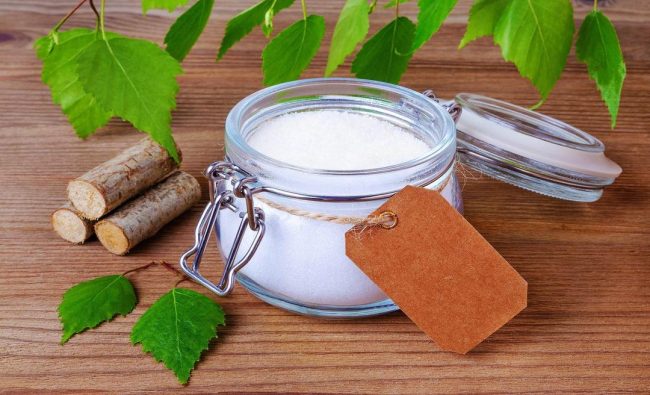
Erythritol is a popular pick for anyone trying to cut back on sugar. You’ll find it in lots of low-calorie, low-carb, and “keto” products. It’s about 70% as sweet as sugar, but with way fewer calories.

Unlike sugar, erythritol isn’t really processed by the body, so it just passes into the bloodstream and gets flushed out through urine.

On the surface, it seems harmless enough, especially since the U.S. Food and Drug Administration (FDA) and the European Food Safety Authority (EFSA) have labeled it as “generally recognized as safe” (GRAS). This means it can be used in food products without any restrictions.

Here’s the catch: while erythritol does naturally occur in fruits and veggies and is produced in small amounts during glucose metabolism, the levels we get from artificial sweeteners are much higher. This difference is what has scientists, like Dr. Hazen, taking a closer look.

Risks of erythritol and sugar substitutes

A recent study by Dr. Hazen’s team at the Cleveland Clinic looked into how erythritol affects blood clot formation, adding to a larger set of questions about the physiological effects of common sugar substitutes.

The results were surprising. Healthy volunteers who consumed erythritol at levels typically found in a “sugarless” soda or muffin experienced a staggering spike in blood erythritol levels to well over 1,000 times the baseline.

More concerning, this consumption was accompanied by a significant increase in blood clot formation.

To put these findings into context, when the same participants consumed glucose, their blood didn’t show the same tendency to clot.

ALSO READ [EXPLAINER] What is vaginal candidiasis

This difference is important because it emphasizes that erythritol itself — not just any artificial or natural sweetener — could be a unique risk factor.

What does this mean for consumers?

These findings have serious implications, particularly for individuals at high cardiovascular risk — those with conditions like obesity, diabetes, or metabolic syndrome.

“Many professional societies and clinicians routinely recommend that people at high cardiovascular risk consume foods that contain sugar substitutes rather than sugar,” says Dr. Hazen. But with evidence mounting against erythritol, it’s time to reconsider that advice.

Dr. Hazen’s research isn’t the first to cast doubt on the safety of erythritol. A previous study published last year in Nature Medicine revealed that cardiac patients with high erythritol levels were twice as likely to experience a major cardiac event within three years.

Moreover, adding erythritol to blood samples increased clot formation, a finding that was confirmed in pre-clinical studies.

These consistent results suggest that erythritol, even in amounts typically consumed, may not be as safe as once thought.

Expert urge caution

Given the potential risks, experts are urging caution. “This research raises some concerns that a standard serving of an erythritol-sweetened food or beverage may acutely stimulate a direct clot-forming effect,” says Dr. W. H. Wilson Tang, a co-author of the study and research director for Heart Failure and Cardiac Transplantation Medicine at Cleveland Clinic.

He emphasizes the importance of more research, especially long-term studies, to really get a handle on the cardiovascular safety of erythritol and other sugar substitutes.

Adding to the worry is that xylitol, another popular artificial sweetener, has shown similar effects in studies.

Just like erythritol, xylitol was linked to higher plasma levels and impacted platelet aggregation in healthy volunteers. The similarities between these sweeteners hint that the risks might not be exclusive to erythritol.

Erythritol and the future of sugar substitutes

So, where does that leave us? Right now, it’s smart to be cautious about artificial sweeteners, especially for those at high risk for heart disease.

Research by Dr. Hazen and his team is still ongoing. We can expect more findings in the coming years.

As Dr. Hazen concludes, “Cardiovascular disease builds over time, and heart disease is the leading cause of death globally. We need to make sure that the foods we eat aren’t secretly contributing to this crisis.”

This hints that the food industry and regulators might need to rethink their stance on erythritol and other sugar substitutes.

To sum it all up, while the convenience and low-calorie perks of these sweeteners are definitely appealing, we should think about their potential impact on our long-term health.

The discussion around these products goes beyond personal choices. The use of artificial sweeteners, like erythritol, xylitol, also has broader and concerning implications for public health.

The full study was published in the journal Arteriosclerosis Thrombosis and Vascular Biology.

Earth.com

Artificial sweeteners Blood clots Heart disease
Share. Facebook Twitter Pinterest LinkedIn WhatsApp Reddit Tumblr Email
Abdallah el-Kurebe
  • Website
  • Facebook
  • Twitter
  • LinkedIn

Related Posts

Abia gov mourns US-based doctor’s death

April 18, 2026

Family planning lowers maternal mortality by 30%

April 17, 2026

PCN seals 598 drug outlets in Kaduna

April 17, 2026

Leave A Reply Cancel Reply

NITDA, CAC strengthen cybersecurity measures

April 18, 2026

Naira ends week slightly lower

April 18, 2026

YABATECH boosts skills in stop-motion animation

April 18, 2026

Abia gov mourns US-based doctor’s death

April 18, 2026
About Us
About Us

ASHENEWS (AsheNewsDaily.com), published by PenPlus Online Media Publishers, is an independent online newspaper. We report development news, especially on Agriculture, Science, Health and Environment as they affect the under-reported rural and urban poor.

We also conduct investigations, especially in the areas of ASHE, as well as other general interests, including corruption, human rights, illicit financial flows, and politics.

Contact Info:
  • 1st floor, Dogon Daji House, No. 5, Maiduguri Road, Sokoto
  • +234(0)7031140009
  • ashenewsdaily@gmail.com
Facebook Twitter Instagram Pinterest
© 2026 All Rights Reserved. ASHENEWS Daily Designed & Managed By DeedsTech

Type above and press Enter to search. Press Esc to cancel.