


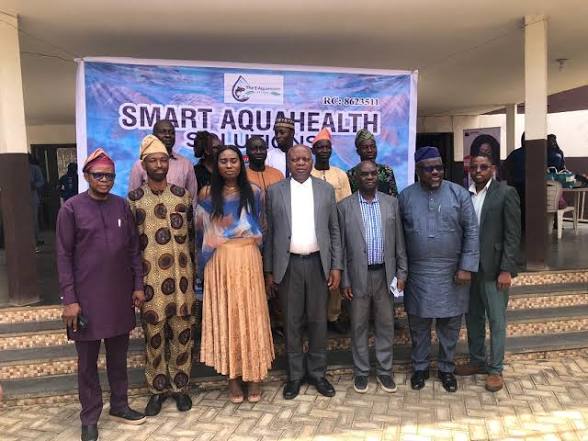
An agricultural technology scientist, Dr. Edet Imuk, says emerging technologies in fisheries and aquaculture are transforming fish production while safeguarding Nigeria’s aquatic ecosystems.
Imuk said this during an interview with reporters on Wednesday in Abuja.
He said innovations were becoming increasingly important as Nigeria positioned fisheries and aquaculture at the centre of its blue economy agenda.
According to him, technology is helping farmers produce more fish with fewer resources while reducing pressure on natural water bodies.
“The future of fish production lies in sustainable innovations that increase productivity without compromising the health of rivers, lakes, and coastal ecosystems,” he said.
Imuk said modern aquaculture technologies, including recirculating aquaculture systems, biofloc technology, and smart water quality monitoring, were changing fish farming practices.
He explained that such technologies reduce water consumption, improve fish survival rates, and minimise pollution from aquaculture operations.
The scientist said digital monitoring tools also enable farmers to detect changes in water quality early, preventing disease outbreaks and reducing production losses.
He further noted that improved fish breeds and better feed formulations were helping farmers achieve faster growth and higher yields with lower production costs.
According to him, precision feeding technologies also reduce feed waste, one of the major contributors to water pollution in fish farms.
Imuk said Nigeria should invest more in research, innovation, and technology transfer to ensure smallholder fish farmers benefit from emerging solutions.
He emphasised the need for stronger collaboration among government agencies, research institutions, universities, and the private sector.
The expert also advocated increased training and extension services to enable fish farmers to adopt modern production techniques.
He said expanding access to affordable financing would encourage wider adoption of innovative aquaculture technologies across the country.
Imuk noted that climate change posed increasing threats to fisheries through rising temperatures, flooding, and changing water conditions.
He added that climate-smart aquaculture technologies would strengthen resilience and improve food security.
According to him, sustainable fisheries management should combine scientific innovation with responsible harvesting and effective conservation measures.
He said protecting wetlands, rivers, and coastal habitats remained essential for maintaining healthy fish populations and biodiversity.
Imuk urged policymakers to create enabling policies that encourage investment in sustainable aquaculture and fisheries innovation.
He expressed optimism that with the right technologies and supportive policies, Nigeria could significantly reduce fish imports and increase domestic production.
The scientist said strengthening fisheries and aquaculture would create jobs, improve nutrition, boost exports, and contribute meaningfully to national economic growth.
