


As the world commemorates World Cancer Day today, the global health community reflects on the strides made in oncology – innovative immunotherapies, early detection, and falling mortality rates in developed nations. However, in Nigeria, the narrative remains starkly different.
While cancer is the second leading cause of death globally, for Nigerians, a diagnosis is too often perceived as a death sentence, not due to the nature of the disease, but due to the systemic hurdles in diagnosis and treatment.
Today, ASHENEWS examines the state of cancer care in Nigeria, highlighting the critical challenges hindering survival and what every Nigerian needs to know to bridge the gap.
The Nigerian Reality: A Crisis of Late Detection
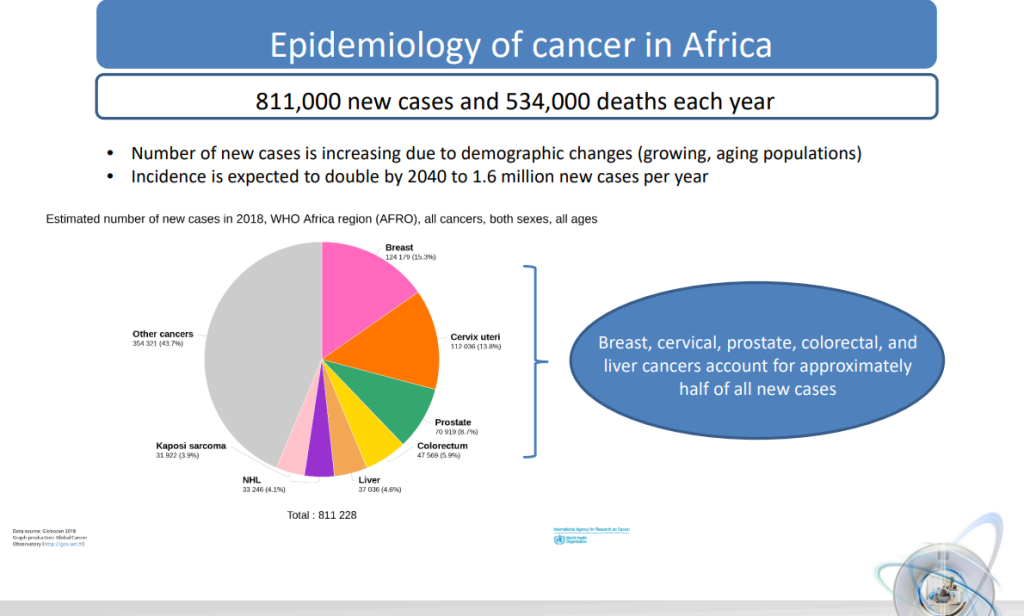
The statistics are sobering. The World Health Organization (WHO) notes that 70 per cent of cancer deaths occur in low- and middle-income countries.
In Nigeria, the National Cancer Control Plan indicates an estimated 102,000 new cases and 72,000 deaths annually. The disparity in survival rates between Nigeria and the developed world is alarming.

Consider Breast Cancer:
- USA: 19 per cent mortality rate.
- Nigeria: 51% mortality rate.
Why such a wide gap? The primary culprit is late presentation. Studies indicate that nearly 73% of Nigerian cancer patients present their cases only when the disease has reached an advanced, often incurable stage. This is driven by a lack of awareness, fear, and a severe deficit in diagnostic infrastructure.
The Infrastructure and Financial Gap
The challenges facing cancer management in Nigeria are multifaceted, creating a bottleneck that frustrates both patients and medical professionals.
The diagnostic deficit – Diagnosis is the bedrock of treatment, yet Nigeria faces a critical shortage of equipment.
Mammography: Only 218 facilities in the country offer mammography, and less than half (99) are public institutions.
MRI Availability: There are reportedly only 58 MRI machines serving a population of over 200 million. Crucially, all of these are located in urban centers, leaving rural populations – 50 per cent of the country—with virtually no access to advanced diagnostics.
Biopsy Access: Mere 2.5 per cent of facilities offering breast ultrasounds can perform the necessary ultrasound-guided biopsy to confirm cancer.
For those who are diagnosed, treatment is the next hurdle. Fewer than 10 functional radiotherapy centers serve the entire nation. Ideally, a radiotherapy machine should treat about 500 patients annually.
In Nigeria, the ratio is one machine per 124,000 cancer patients. This scarcity leads to agonizingly long wait times, during which tumors often metastasize.
The Radiotherapy Crisis
For those who are diagnosed, treatment is the next hurdle. Fewer than 10 functional radiotherapy centers serve the entire nation. Ideally, a radiotherapy machine should treat about 500 patients annually. In Nigeria, the ratio is one machine per 124,000 cancer patients. This scarcity leads to agonizingly long wait times, during which tumors often metastasize.
The Cost of Survival
With the 2024 Federal Healthcare Budget averaging roughly ₦6,400 per citizen, nearly 90% of healthcare expenditure in Nigeria is out-of-pocket.
Chemotherapy Costs: A single session can range from ₦600,000 to ₦1.5 million.
Financial Ruin: Only 5% to 32% of Nigerians can afford cancer care without facing catastrophic financial ruin.
Government Intervention: A Ray of Hope
Despite these grim statistics, there is movement toward improvement. The establishment of the National Institute for Cancer Research and Treatment (NICRAT) and the rollout of the National Strategic Cancer Control Plan (NSCCP) 2023–2027 signal a policy shift.
Recent initiatives include:
NHIA Expansion: The National Health Insurance Authority is moving to include more cancer services under its policy, potentially reducing the out-of-pocket burden.
The Oncology Initiative: A massive ₦37.4 billion grant from the Federal Government aims to equip teaching hospitals across geopolitical zones with linear accelerators, PET scanners, and cyclotrons.
NSIA Projects: The Nigeria Sovereign Investment Authority (NSIA) is expanding on the success of the LUTH Cancer Centre to establish more oncology and diagnostic centers nationwide.
Public Awareness: Know Your Status
While we advocate for better infrastructure, individual awareness remains our first line of defense. Early detection saves lives. Here is a breakdown of the most prevalent cancers in Nigeria and their warning signs.
Breast Cancer (Most common in women)
- Screening: Monthly Self-Examination (BSE), Clinical exams, and Mammograms for women over 40.
- Symptoms: New lumps, changes in breast size/shape, nipple inversion, bloody discharge, or “orange peel” skin texture.
Prostate Cancer (Most common in men)
- Screening: PSA (Prostate-Specific Antigen) blood tests and Digital Rectal Exams.
- Symptoms: Frequent urination (especially at night), difficulty starting/stopping urine, blood in urine/semen, and erectile dysfunction.
Cervical Cancer
- Prevention: HPV Vaccination.
- Screening: Pap Smears and HPV tests.
- Symptoms: Abnormal vaginal bleeding (after sex or menopause), pelvic pain, and unusual discharge.
Colorectal Cancer
Screening: Colonoscopy and Fecal Occult Blood Tests.
Symptoms: Persistent changes in bowel habits (diarrhea/constipation), rectal bleeding, and unexplained weight loss.
On this World Cancer Day, the message to the Nigerian government is clear: Policy must translate into action. The gaps in radiotherapy and diagnostic equipment must be filled urgently to stop the preventable loss of life.
Cancer is often painless in its early, curable stages. Utilize the screening options available, however limited, and advocate for better healthcare funding. Survival begins with early detection.
