

• Home
  • Agric
  • Sci & Tech
  • Health
  • Environment
  • Hausa News
  • More
    • Business/Banking & Finance
    • POLITICS
    • Entertainments & Sports
    • International
    • Investigation
    • Law & Human Rights
    • Africa
    • ACCOUNTABILITY/CORRUPTION
    • Hassan Gimba
    • Column
    • Prof. Jibrin Ibrahim
    • Prof. M.K. Othman
    • Defense/Security
    • Education
    • Energy/Electricity
    • Entertainment/Arts & Sports
    • Society and Lifestyle
    • Food & Agriculture
    • Health & Healthy Living
    • International News
    • Interviews
    • Investigation/Fact-Check
    • LAW & HUMAN RIGHTS
    • Oil & Gas/Mineral Resources
    • PRESS FREEDOM/JOURNALISM/PR
    • General News
    • Presidency
  • About Us
    • Contact Us
    • Board Of Advisory
    • Privacy Policy
    • Ethics Policy
    • Teamwork And Collaboration Policy
    • Fact-Checking Policy
    • Advertising
  • Media OutReach Newswire
    • Wire News
  • The Stories
Facebook Twitter Instagram
Trending
  • Health workers present Okpebholo with decade award
  • EPHPAN president seeks agency to boost disease prevention
  • Edo identifies 129 erosion sites for urgent action
  • Dangote eyes Ghana for 500,000-tonne cocoa processing deal
  • Sokoto to restore electricity to 4 LGAs with ₦5.5bn
  • FUTA: 256 earn first-class honours at 37th convocation
  • UBTH trains staff to prevent food contamination
  • Rural women learn climate-smart farming in Nasarawa
Facebook Twitter Instagram YouTube
AsheNewsAsheNews
  • Home
  • Agric

    Dangote eyes Ghana for 500,000-tonne cocoa processing deal

    November 13, 2026

    Rural women learn climate-smart farming in Nasarawa

    November 13, 2026

    Kebbi farmers endorse Idris for 2027 re-election

    November 13, 2026

    CBN moves to strengthen credit guarantees, boost private-sector agricultural financing

    November 12, 2026

    Lagos reaffirms food security push

    November 12, 2026
  • Sci & Tech

    Nigeria plans satellite facility in Epe

    November 12, 2026

    3MTT seeks partners to train Nigerians in digital skills

    November 12, 2026

    Expert urges Nigeria to build sovereign AI platform

    November 11, 2026

    NATCOMS flags cybersecurity risks in SPARK loan service

    November 11, 2026

    NITDA unveils 2026 Nigeria tech outlook report

    November 11, 2026
  • Health

    Health workers present Okpebholo with decade award

    November 13, 2026

    EPHPAN president seeks agency to boost disease prevention

    November 13, 2026

    UBTH trains staff to prevent food contamination

    November 13, 2026

    Residents face rising heat as states intensify meningitis prevention

    November 13, 2026

    WHO warns of gaps in TB diagnosis, treatment

    November 13, 2026
  • Environment

    Edo identifies 129 erosion sites for urgent action

    November 13, 2026

    Residents push for stronger environmental health checks

    November 13, 2026

    COP31: Why governments must confront systems exploiting women and Earth, by Melania Chiponda

    November 11, 2026

    FUTA Don urges sustained advocacy against deforestation, technology to assess termite risks

    November 11, 2026

    Igando dumpsite reopening set to ease Lagos waste crisis

    November 11, 2026
  • Hausa News

    Foundation unveils public sector reform playbook

    November 12, 2026

    Tinubu asks Reps to approve N10.79tn external borrowing for 2026 budget

    November 11, 2026

    UNA signs MoU to launch air Bissau in Guinea-Bissau

    June 15, 2026

    Otti plans 250-room 5-star hotel in Umuahia

    April 11, 2026

    Anti-quackery task force seals 4 fake hospitals in Rivers

    August 29, 2025
  • More
    1. Business/Banking & Finance
    2. POLITICS
    3. Entertainments & Sports
    4. International
    5. Investigation
    6. Law & Human Rights
    7. Africa
    8. ACCOUNTABILITY/CORRUPTION
    9. Hassan Gimba
    10. Column
    11. Prof. Jibrin Ibrahim
    12. Prof. M.K. Othman
    13. Defense/Security
    14. Education
    15. Energy/Electricity
    16. Entertainment/Arts & Sports
    17. Society and Lifestyle
    18. Food & Agriculture
    19. Health & Healthy Living
    20. International News
    21. Interviews
    22. Investigation/Fact-Check
    23. LAW & HUMAN RIGHTS
    24. Oil & Gas/Mineral Resources
    25. PRESS FREEDOM/JOURNALISM/PR
    26. General News
    27. Presidency
    Featured
    Recent

    Health workers present Okpebholo with decade award

    November 13, 2026

    EPHPAN president seeks agency to boost disease prevention

    November 13, 2026

    Edo identifies 129 erosion sites for urgent action

    November 13, 2026
  • About Us
    1. Contact Us
    2. Board Of Advisory
    3. Privacy Policy
    4. Ethics Policy
    5. Teamwork And Collaboration Policy
    6. Fact-Checking Policy
    7. Advertising
    Featured
    Recent

    Health workers present Okpebholo with decade award

    November 13, 2026

    EPHPAN president seeks agency to boost disease prevention

    November 13, 2026

    Edo identifies 129 erosion sites for urgent action

    November 13, 2026
  • Media OutReach Newswire
    • Wire News
  • The Stories
AsheNewsAsheNews
Home»Health & Healthy Living»[SPECIAL REPORT] From crisis to grief: Story of women whose children die of diseases in displacement
Health & Healthy Living

[SPECIAL REPORT] From crisis to grief: Story of women whose children die of diseases in displacement

From crisis to grief: Story of women whose children die of diseases in displacement
EditorBy EditorJanuary 23, 2024Updated:January 29, 2024No Comments7 Mins Read
Share
Facebook Twitter LinkedIn Pinterest Email

Rhoda Bulus, a 30-years old mother of four living with her family at the Internally Displaced Persons (IDPs) in Gwada town, Shiroro local government area of Niger state, sits by the doorsteps to a room she shares with 10 other women and children. She moved to the camp three years ago after bandits laid siege on her home.

A community in the Shiroro local government area of Niger state in north-central Nigeria, Kaure was once declared a Boko Haram stronghold by the then governor of the state, Abubakar Sani-Bello in 2021.

The camp where Rhoda stays is one among many in the state, and her story mirrors the struggle of women in displacement who are not only fighting against the dire situations in the camp but also live with the grief of what they regard as the avoidable deaths of their children. She holds her youngest child, barely one year old in her arms.

The child, with frail arms and light-skinned hair, looks much younger than her age. The mother tells this reporter that the child has been sick for months now. She adjusts the baby who looks tired and breathless in her arms before she begins talking to our reporter.

“I lost two out of my six children right here in this camp. The first one who died was my eldest child, her name was Favour and she was nine years old when she died.”

Rhoda recalls how she died after suddenly coming down with cholera. “At first we thought it would go away but it didn’t. When the illness persisted, we became scared and took her to the hospital because there was none here in the camp.
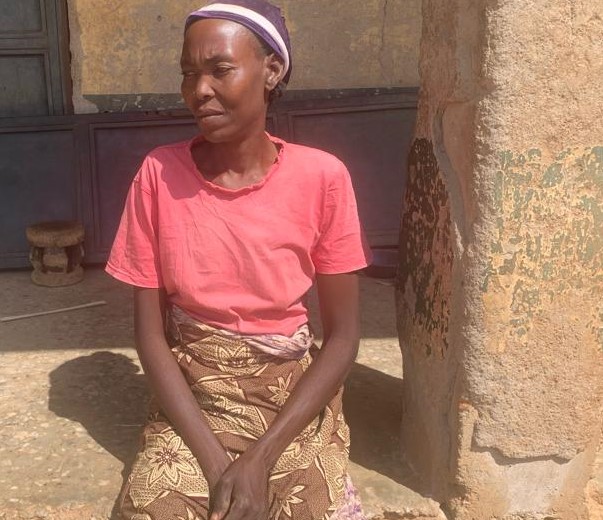
Elizabeth Obadiah

“When we got there, the nurses told us that they needed to administer a drip. They gave her one and asked us to pay some money but we couldn’t. Before we could gather money for a second one, she was already dead.”

Rhoda’s grief became anew when her second child, Victoria died of the same ailment just one month after.

“I remember when the second one fell sick. It was exactly one month after my first daughter died. When the sickness started, we didn’t waste time going to the hospital because of the experience we had with the first one. We begged them to take her off our hands while we went out to look for money to pay them.

“I had to go work on a farmer’s land that day but the money I made wasn’t enough. When they exhausted the money, the treatment ended. Just like her sister, she died shortly after.”

A grief-stricken Rhoda, now a mother of four, is a testament to the struggles that displaced persons face while in displacement.

Just like many other families here in the camp, Rhoda fled her home due to the incessant attacks by bandits.

Since the death of her two children, Rhoda has become a former shadow of her bubbly self.

According to her, her struggles with grief made her come down with a lot of emotions, the top of which is anger over her predicament.

“When the second one was on her sick bed, I felt more angry than sad. I felt that this could be avoided if only someone was willing to pay for her drugs. I was devastated,” she said.

Rhoda told ASHENEWS that since her children’s death, she has been struggling to turn her life back to normal. A constant feeling of unhappiness makes her feel unwell since the sad incident.

“I haven’t felt well since then. I always feel a burning feeling in my heart and I have constant body pain. I am still struggling to come to terms that my two children are gone just like that.”

Elizabeth Obadiah shares a similar experience with that of Rhoda.

Just like Rhoda, the first time she arrived at the camp, she was happy to have been able to make it out alive and unhurt from her village, Kaure which has been under constant attack by bandits.

Hundreds have lost their lives during such attacks many of whom were her relatives, while others have been kidnapped and forced to pay huge sums as ransom. Her joy was short-lived when she lost her son due to a lack of medical supplies in the camp in March 2023.

“I remember running away from home so that I don’t lose my children to bandits but here we are today, I lost him because I can’t afford the cost of taking care of him,” Elizabeth Obadiah said bitterly.
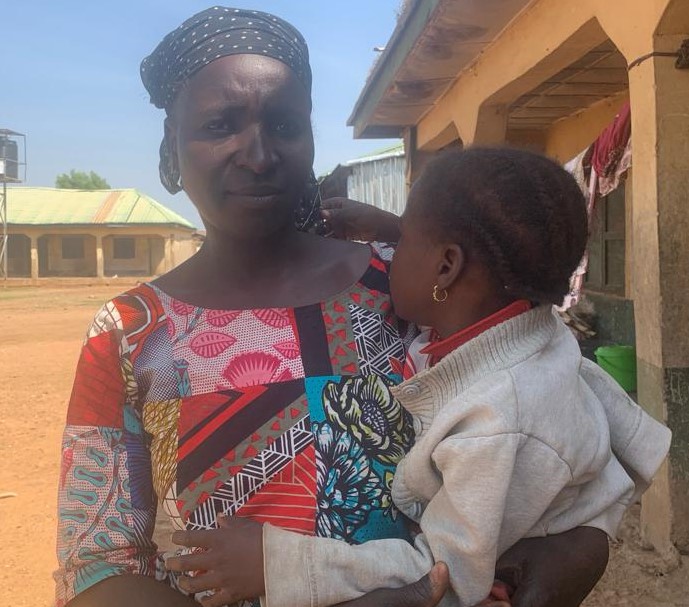
Godiya Andrew with her child

Elizabeth narrates how her five-year-old son, Joseph Obadiah died when they could not afford to pay his hospital bills.

“When Joseph fell sick, we tried to manage the illness at home but it only got worse so we decided to take him to the hospital.

“The doctors ran some tests and told us that he was short of blood. We could only beg them because we couldn’t afford to pay but they refused.

“We took him back to the camp and started giving him traditional medicine hoping that it would cure him. We watched helplessly until he died right here in this camp.”

All the residents of the camp interviewed by our reporter identify a lack of access to healthcare as a major challenge for IDPs in the area. Until recently, the camp had no health facility.

A health post was donated a few months ago by a non-profit organization but there are no drugs available at the facility.

Appeal for healthcare support for children

After the bandit’s attack became intense, 40-year-old Godiya Andrew fled her village with her husband and three young children in tow.

Just like Rhoda and Elizabeth, they are currently living at the Gwada IDP camp in Shiroro, Shiroro local government area of Niger state.

Previously, a food vendor before their untimely displacement, Godiya recounts her struggle with her seven-year-old daughter who has been battling with anemia despite receiving treatment at a health clinic in the area.

“My daughter fell sick early this year and was admitted to the hospital and they gave her two pints of blood. Since she was discharged, she has been complaining of stomach ache.

“The doctors asked us to go for an ultrasound because of the constant stomach pain but we haven’t done that yet because we don’t have money. We spent all we had on paying for the blood that was given to her.”

The battle with hunger, deprivation
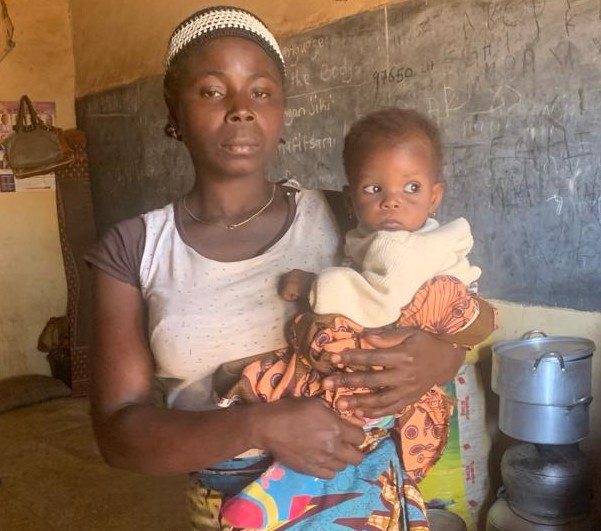
Rhoda Bulus

The search for safety from the attacks by these terrorists is however laced with suffering and deprivation for many of these IDPs.

There are few employment options available for those who would like to work.

The only available option for these displaced persons is to work on other farmers’ land. The pay which they say is usually between ₦1,000 and ₦2,000, is meager amidst rising inflation which has led to a spike in the prices of goods and services.

Food shortage is rampant in the camp, with mothers struggling to meet up with the needs of their families.

The camp coordinator, Irmiya Waziri told ASHENEWS that a shortage of food and the lack of healthcare support for displaced persons, particularly women and children is the greatest challenge for IDPs in Gwada.

“There is an acute food shortage in this camp. Some of us have been living in these difficult conditions for nearly four years.

“We mostly rely on aid from the government and other non-governmental organizations but these are hardly forthcoming these days,” Waziri said.

IDPs Niger state Shiroro local government UNICEF WHO Women in displacement
Share. Facebook Twitter Pinterest LinkedIn WhatsApp Reddit Tumblr Email
Editor
  • Website

Related Posts

Health workers present Okpebholo with decade award

November 13, 2026

EPHPAN president seeks agency to boost disease prevention

November 13, 2026

UBTH trains staff to prevent food contamination

November 13, 2026

Leave A Reply Cancel Reply

Health workers present Okpebholo with decade award

November 13, 2026

EPHPAN president seeks agency to boost disease prevention

November 13, 2026

Edo identifies 129 erosion sites for urgent action

November 13, 2026

Dangote eyes Ghana for 500,000-tonne cocoa processing deal

November 13, 2026
About Us
About Us

ASHENEWS (AsheNewsDaily.com), published by PenPlus Online Media Publishers, is an independent online newspaper. We report development news, especially on Agriculture, Science, Health and Environment as they affect the under-reported rural and urban poor.

We also conduct investigations, especially in the areas of ASHE, as well as other general interests, including corruption, human rights, illicit financial flows, and politics.

Contact Info:
  • 1st floor, Dogon Daji House, No. 5, Maiduguri Road, Sokoto
  • +234(0)7031140009
  • ashenewsdaily@gmail.com
Facebook Twitter Instagram Pinterest
© 2026 All Rights Reserved. ASHENEWS Daily Designed & Managed By DeedsTech

Type above and press Enter to search. Press Esc to cancel.