

• Home
  • Agric
  • Sci & Tech
  • Health
  • Environment
  • Hausa News
  • More
    • Business/Banking & Finance
    • POLITICS
    • Entertainments & Sports
    • International
    • Investigation
    • Law & Human Rights
    • Africa
    • ACCOUNTABILITY/CORRUPTION
    • Hassan Gimba
    • Column
    • Prof. Jibrin Ibrahim
    • Prof. M.K. Othman
    • Defense/Security
    • Education
    • Energy/Electricity
    • Entertainment/Arts & Sports
    • Society and Lifestyle
    • Food & Agriculture
    • Health & Healthy Living
    • International News
    • Interviews
    • Investigation/Fact-Check
    • LAW & HUMAN RIGHTS
    • Oil & Gas/Mineral Resources
    • PRESS FREEDOM/JOURNALISM/PR
    • General News
    • Presidency
  • About Us
    • Contact Us
    • Board Of Advisory
    • Privacy Policy
    • Ethics Policy
    • Teamwork And Collaboration Policy
    • Fact-Checking Policy
    • Advertising
  • Media OutReach Newswire
    • Wire News
  • The Stories
Facebook Twitter Instagram
Trending
  • Ogun farmers call for better roads, security, inputs
  • PCN shuts illegal, non-compliant medicine outlets
  • Kaduna poultry farmers struggle with feed costs
  • AMR poses growing burden on families, expert warns
  • UCH wait times tied to staff shortage, weak primary care
  • UNICEF: 556,000 out-of-school children still await return to classrooms in Sokoto, Kebbi, Zamfara
  • Enugu residents call for steps to stabilise onion prices
  • Expert calls for wider access to digital services in Nigeria
Facebook Twitter Instagram YouTube
AsheNewsAsheNews
  • Home
  • Agric

    Ogun farmers call for better roads, security, inputs

    November 20, 2026

    Kaduna poultry farmers struggle with feed costs

    November 20, 2026

    Enugu residents call for steps to stabilise onion prices

    November 20, 2026

    IAR, NBMA train stakeholders on managing low-level presence of GM crops

    November 20, 2026

    PAN Kano plans accreditation for poultry input distributors

    November 20, 2026
  • Sci & Tech

    Expert calls for wider access to digital services in Nigeria

    November 20, 2026

    Rural connectivity key to inclusive digital growth, expert says

    November 20, 2026

    IAR, NBMA train stakeholders on managing low-level presence of GM crops

    November 20, 2026

    Sultan inaugurates 500-seat ICT centre at Saki nursing college, backs health technology expansion

    November 19, 2026

    Linking payment systems key to Africa’s trade integration, officials say

    November 19, 2026
  • Health

    PCN shuts illegal, non-compliant medicine outlets

    November 20, 2026

    AMR poses growing burden on families, expert warns

    November 20, 2026

    UCH wait times tied to staff shortage, weak primary care

    November 20, 2026

    UNICEF support boosts safety, sanitation at Daudu camp

    November 20, 2026

    Health council backs new policies on telemedicine, E-pharmacy

    November 20, 2026
  • Environment

    Ghana warns of El Niño-linked health risks as harmattan intensifies

    November 20, 2026

    Ghana’s UCC Vice-Chancellor meets 12-year-old student, urges focus on excellence

    November 20, 2026

    NEWSAN calls for urgent repairs to sewage systems

    November 19, 2026

    Nigeria targets open defecation free status by 2030

    November 19, 2026

    Erosion puts Cross River transmission line at risk

    November 19, 2026
  • Hausa News

    Foundation unveils public sector reform playbook

    November 12, 2026

    Tinubu asks Reps to approve N10.79tn external borrowing for 2026 budget

    November 11, 2026

    UNA signs MoU to launch air Bissau in Guinea-Bissau

    June 15, 2026

    Otti plans 250-room 5-star hotel in Umuahia

    April 11, 2026

    Anti-quackery task force seals 4 fake hospitals in Rivers

    August 29, 2025
  • More
    1. Business/Banking & Finance
    2. POLITICS
    3. Entertainments & Sports
    4. International
    5. Investigation
    6. Law & Human Rights
    7. Africa
    8. ACCOUNTABILITY/CORRUPTION
    9. Hassan Gimba
    10. Column
    11. Prof. Jibrin Ibrahim
    12. Prof. M.K. Othman
    13. Defense/Security
    14. Education
    15. Energy/Electricity
    16. Entertainment/Arts & Sports
    17. Society and Lifestyle
    18. Food & Agriculture
    19. Health & Healthy Living
    20. International News
    21. Interviews
    22. Investigation/Fact-Check
    23. LAW & HUMAN RIGHTS
    24. Oil & Gas/Mineral Resources
    25. PRESS FREEDOM/JOURNALISM/PR
    26. General News
    27. Presidency
    Featured
    Recent

    Ogun farmers call for better roads, security, inputs

    November 20, 2026

    PCN shuts illegal, non-compliant medicine outlets

    November 20, 2026

    Kaduna poultry farmers struggle with feed costs

    November 20, 2026
  • About Us
    1. Contact Us
    2. Board Of Advisory
    3. Privacy Policy
    4. Ethics Policy
    5. Teamwork And Collaboration Policy
    6. Fact-Checking Policy
    7. Advertising
    Featured
    Recent

    Ogun farmers call for better roads, security, inputs

    November 20, 2026

    PCN shuts illegal, non-compliant medicine outlets

    November 20, 2026

    Kaduna poultry farmers struggle with feed costs

    November 20, 2026
  • Media OutReach Newswire
    • Wire News
  • The Stories
AsheNewsAsheNews
Home»Africa»Sickle cell care in Africa must go beyond survival, experts say
Africa

Sickle cell care in Africa must go beyond survival, experts say

...Advances in treatment offer new hope for people living with sickle cell disease, but high costs, limited screening and gaps in healthcare delivery continue to restrict access across Africa.
Abdallah el-KurebeBy Abdallah el-KurebeOctober 29, 2026Updated:October 29, 2026No Comments5 Mins Read
Sickle cell
Share
Facebook Twitter LinkedIn Pinterest Email

Africa must strengthen early diagnosis, expand access to treatment and tackle stigma surrounding sickle cell disease to help patients live full and productive lives, a Ghanaian haematologist has said.

Dr Enam Sefakor Bankas of Korle-Bu Teaching Hospital in Accra made the call during a virtual healthcare discussion, where she highlighted advances in treatment but warned that high costs, limited diagnostic facilities and gaps in long-term care continue to affect patients across the continent.

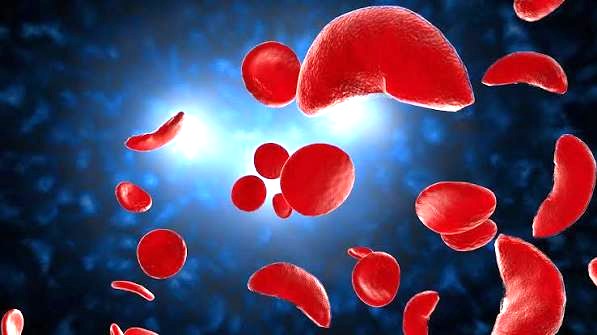
Sickle cell disease is an inherited blood disorder that causes red blood cells to become rigid and sickle-shaped, potentially obstructing blood flow and triggering severe pain, anaemia, organ damage and other life-threatening complications.

Bankas said treatment should focus not only on preventing deaths but also on enabling patients to complete their education, pursue careers, raise families and participate fully in society.

“We need to think more of thriving than just survival,” she said.

Hydroxyurea improves treatment prospects

Hydroxyurea remains an important disease-modifying medicine for sickle cell disease. It works partly by increasing fetal haemoglobin, which reduces the tendency of red blood cells to sickle, helping to prevent painful episodes and other complications.

In Ghana, the medicine was approved for use in 2018 and added to the National Health Insurance Scheme in 2022, improving access for eligible patients.

Bankas said 20 treatment centres participated in efforts to expand access to hydroxyurea, with approximately 3,648 patients enrolled in treatment.

However, affordability, medicine availability and shortages of specialised services continue to limit access.

Other treatments discussed included crizanlizumab and L-glutamine, which target different mechanisms associated with sickle cell complications. Their availability and suitability vary across countries.

Stem cell transplantation and gene therapies also offer potentially transformative options for eligible patients. However, their high costs, specialised infrastructure requirements and the difficulty of finding suitable donors limit access in many African countries.

Gene therapies involve modifying a patient’s cells to address the underlying disease process before returning them to the body. These treatments require intensive medical care and can carry significant risks, including complications associated with preparatory chemotherapy.

For many patients in sub-Saharan Africa, the cost and complexity of these interventions remain major barriers.

Early diagnosis remains a major challenge

Bankas identified screening and diagnostic capacity as critical gaps in Ghana and other African countries.

Rapid point-of-care tests can help identify people who may have sickle cell disease, particularly in communities where laboratory facilities and reliable electricity are limited. However, positive screening results require confirmatory testing.

More specialised techniques, including high-performance liquid chromatography, can help establish a diagnosis and distinguish haemoglobin types. Their cost and limited availability, however, can delay diagnosis, particularly for low-income families.

Artificial intelligence could also support diagnosis, especially in areas with shortages of laboratory specialists and haematologists.

Bankas said AI-assisted blood-film analysis could help identify suspected cases and guide patients towards further testing. However, such tools require proper evaluation to establish their accuracy, affordability and suitability for routine clinical use.

Ghana introduced national sickle cell disease screening and case-management guidelines for 2025, covering early detection, essential medicines, continuing care, psychosocial support and referral systems.

Bankas stressed that implementing the guidelines would require sustained investment in diagnostic services, reliable medicine supplies, improved patient information systems and stronger referral networks.

Stigma undermines pain management

The discussion also highlighted the challenges patients face when seeking treatment for painful crises.

Bankas said some patients encounter suspicion from healthcare workers who assume they are seeking opioid medicines for non-medical reasons. Such attitudes can result in inadequate pain relief and unnecessary suffering.

Financial difficulties, transport costs and concerns about medication dependence can also discourage patients from seeking care or following prescribed treatment.

She urged healthcare professionals to follow appropriate pain-management protocols, assess patients individually and ensure that stigma does not interfere with treatment.

Public education is equally important, as misconceptions persist that sickle cell disease affects only people of African ancestry, spreads through personal contact or prevents affected people from leading productive lives.

Such beliefs can contribute to discrimination in schools, workplaces and communities.

Genetic counselling should support informed choices

Bankas cautioned against policies intended to prevent births affected by sickle cell disease when they stigmatise patients or restrict personal reproductive choices.

Instead, prospective parents should receive accurate information about inheritance and reproductive risks, alongside access to genetic counselling, prenatal testing and, where available and appropriate, assisted reproductive technologies.

She said scientific advances would have limited impact unless African health systems could provide patients with screening, essential medicines, specialist care and long-term monitoring.

Improving outcomes, she added, requires investment in healthcare infrastructure, research partnerships, informed reproductive choices, compassionate clinical practice and sustained public education.

Conference to examine African healthcare challenges

Ghana’s experience in sickle cell disease management will feature in discussions at the inaugural African Healthcare Conference, scheduled to hold in Accra from December 18 to 19.

The conference is expected to bring together health professionals and other stakeholders to discuss healthcare challenges and generate evidence to inform treatment and policy decisions in African populations.

Interested participants can register through the conference registration portal.

Africa Africa Healthcare Association African Healthcare Conference Sickle cell
Share. Facebook Twitter Pinterest LinkedIn WhatsApp Reddit Tumblr Email
Abdallah el-Kurebe
  • Website
  • Facebook
  • Twitter
  • LinkedIn

Related Posts

PCN shuts illegal, non-compliant medicine outlets

November 20, 2026

AMR poses growing burden on families, expert warns

November 20, 2026

UCH wait times tied to staff shortage, weak primary care

November 20, 2026

Leave A Reply Cancel Reply

Ogun farmers call for better roads, security, inputs

November 20, 2026

PCN shuts illegal, non-compliant medicine outlets

November 20, 2026

Kaduna poultry farmers struggle with feed costs

November 20, 2026

AMR poses growing burden on families, expert warns

November 20, 2026
About Us
About Us

ASHENEWS (AsheNewsDaily.com), published by PenPlus Online Media Publishers, is an independent online newspaper. We report development news, especially on Agriculture, Science, Health and Environment as they affect the under-reported rural and urban poor.

We also conduct investigations, especially in the areas of ASHE, as well as other general interests, including corruption, human rights, illicit financial flows, and politics.

Contact Info:
  • 1st floor, Dogon Daji House, No. 5, Maiduguri Road, Sokoto
  • +234(0)7031140009
  • ashenewsdaily@gmail.com
Facebook Twitter Instagram Pinterest
© 2026 All Rights Reserved. ASHENEWS Daily Designed & Managed By DeedsTech

Type above and press Enter to search. Press Esc to cancel.