


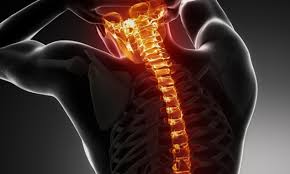
A public health nurse, Mrs Omobosede Ayebameru, has urged Nigerians to observe simple safety precautions at home and on the roads to reduce preventable spinal cord injuries and related complications.
Ayebameru, Assistant Director of Nursing, Public Health Nursing Department, University College Hospital (UCH), Ibadan, gave the advice on Wednesday ahead of World Spinal Cord Injury Day, observed annually on Sept. 5.
She said some spinal cord injuries resulted from avoidable incidents, including falls at home, motorcycle crashes, road accidents and poor driving practices, which could cause permanent disability or paralysis.
According to her, people should avoid rushing to answer telephone calls, particularly in bathrooms or bedrooms, because such haste could result in falls and serious injuries requiring immediate medical attention.
“People should immediately clean up water spilled on floors and ensure that household surfaces are kept dry to prevent slips and falls,” Ayebameru said, urging greater care at home and work.
The nurse also cautioned against poor sitting posture, urging people to ensure that their backs are properly supported when sitting for long periods to minimise strain and discomfort during daily activities.
Ayebameru said age-related spinal conditions could also affect mobility, advising people aged 40 years and above to undergo regular medical checks for early detection and appropriate management where medically indicated.
“Oftentimes, degenerative changes in the spine could put pressure on nerves and eventually affect an individual’s ability to move,” she said, explaining the importance of medical checks whenever necessary.
“Poorly treated infections such as tuberculosis could spread to the spine and cause damage that might result in paralysis, so people need to go to the hospital whenever they seek care,” she said.
She therefore urged people experiencing symptoms of infection to seek appropriate medical attention and adhere strictly to prescribed treatment to prevent complications.
On road safety, Ayebameru identified “Okada” motorcycle-related accidents and speeding as major concerns, urging motorists and passengers to exercise caution and obey traffic regulations at all times.
She called on passengers to caution drivers against speeding and ensure vehicles are properly maintained, particularly their brakes and tyres, to reduce crashes and prevent injuries to road users.
Ayebameru, however, urged Nigerians not to stigmatise people already living with spinal cord injuries, emphasising that they could still lead productive lives and contribute meaningfully to society in spite of their physical challenges.
“Caregivers should provide continuous support for affected persons and public institutions should provide wheelchair-accessible facilities for inclusion,” she said, calling for greater social support and better community integration.
The public health expert said the theme of the 10th anniversary of World Spinal Cord Injury Day, “From Awareness to Action,” called on people to translate prevention knowledge into practical measures.
According to her, World Health Organization (WHO) statistics estimated that about 15 million people globally were living with spinal cord injuries, hence the need for stronger prevention and safety measures worldwide.
