


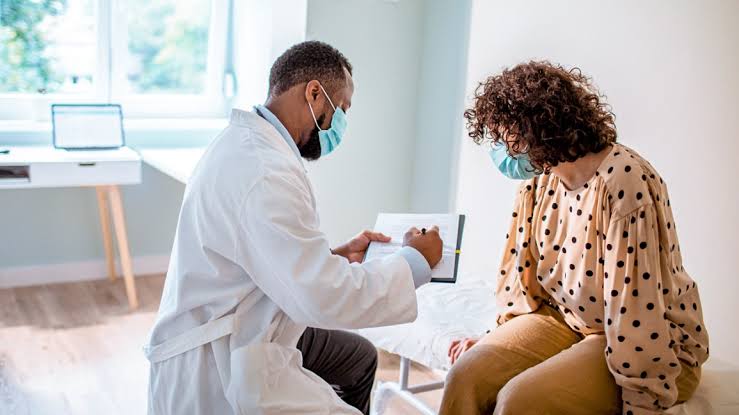
Health experts have expressed concern over the low rate of routine monitoring of vital signs among Nigerians, warning that many preventable illnesses are detected late because people rarely undergo regular health checks.
The experts noted that basic health indicators such as blood pressure, blood sugar, and body weight are often ignored, reducing opportunities for early detection and treatment of potentially serious medical conditions.
Dr. Ibrahim Yusuf, a Consultant Family Physician at General Hospital Suleja, told reporters on Saturday that routine monitoring remains one of the simplest and most effective ways of detecting health problems early before they become severe.
According to Yusuf, conditions such as hypertension and diabetes often develop without obvious symptoms, making regular checks essential for timely diagnosis and treatment before complications arise and become life-threatening.
“Many people only visit health facilities when they are seriously ill. By then, diseases that could have been managed early may have progressed to dangerous stages,” he said.
He urged Nigerians, particularly adults above 30 years old and individuals with a family history of chronic diseases, to monitor their blood pressure and blood sugar regularly, even when they feel healthy.
Also speaking with reporters, Public Health Specialist Dr. Amina Bello attributed the low uptake of routine health checks among Nigerians to poor health awareness, financial constraints, demanding work schedules, and fear of being diagnosed with an illness.
Bello said some people wrongly assumed they were healthy because they had no symptoms, while others preferred self-medication to preventive healthcare, increasing the risk of undetected health conditions.
“Knowing your vital signs can save your life. Prevention is always cheaper and more effective than treating advanced disease,” she said.
Some residents who spoke with reporters admitted that time constraints, hospital costs, and misconceptions about diseases discouraged them from monitoring their vital signs regularly.
A civil servant, Mr. Emmanuel James, said: “I don’t think about checking my vitals unless I’m sick. Time and hospital bills discourage me.”
Similarly, a trader, Mrs. Halima Musa, said she had never checked her blood sugar because she believed diabetes only affected elderly people.
“I don’t have any symptoms, so I don’t see the need,” she said.
However, a banker, Miss Chioma Okafor, said she monitored her blood pressure and weight monthly after her father was diagnosed with hypertension.
“I started after my father was diagnosed with hypertension. Early checks give me peace of mind and help me stay healthy,” she said.
The World Health Organization (WHO) has urged governments, employers, healthcare providers, and community organisations to intensify awareness campaigns and organise free community screening programmes to encourage routine health monitoring.
The organisation emphasised that regular monitoring of vital signs remains a key step in preventing non-communicable diseases and reducing avoidable deaths across Nigeria.
