


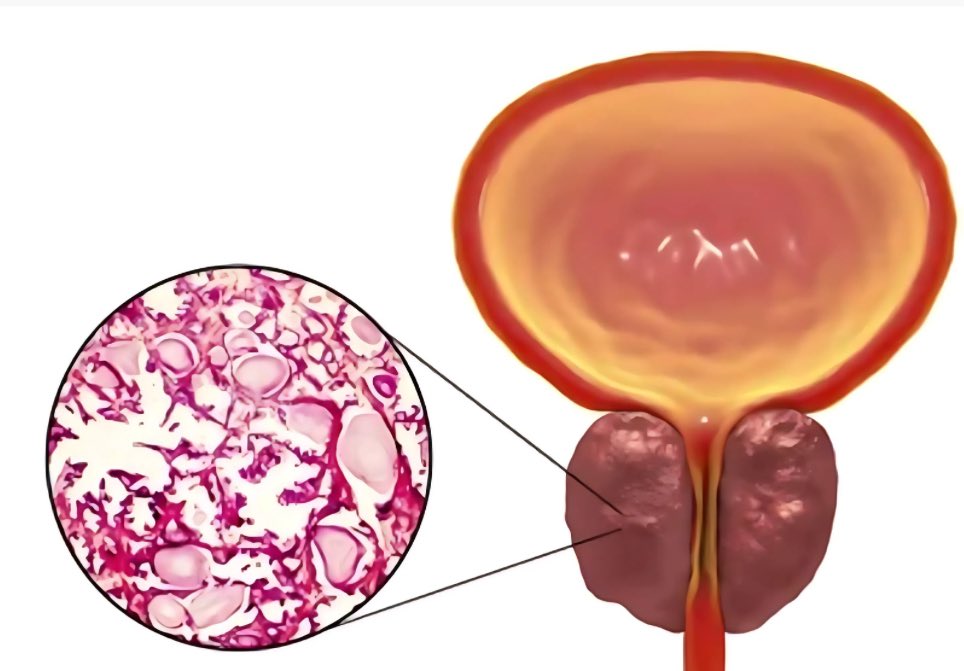
An enlarged prostate means the gland has grown bigger. Prostate enlargement happens to almost all men as they get older. It is often called benign prostatic hyperplasia (BPH). It is not cancer, and it does not raise your risk for prostate cancer.
Causes
The actual cause of prostate enlargement is unknown. Factors linked to aging and changes in the cells of the testicles may have a role in the growth of the gland, as well as testosterone levels. Men who have had their testicles removed at a young age (for example, as a result of testicular cancer) do not develop BPH.
Also, if the testicles are removed after a man develops BPH, the prostate begins to shrink in size. However, this is not a standard treatment for an enlarged prostate.
The prostate gland is in charge of producing fluid that nourishes the semen, and supporting fertility. However, this gland enlarges as men get older, leading to numerous complications.
Some facts about prostate enlargement:
- The likelihood of developing an enlarged prostate increases with age.
- BPH is so common that it has been said all men will have an enlarged prostate if they live long enough.
- A small amount of prostate enlargement is present in many men over age 40. More than 90% of men over age 80 have the condition.
- No risk factors have been identified, other than having normally-functioning testicles.
What steps are required to keep it in shape?
- Exercise regularly
Why?
Physical activity helps reduce inflammation and improve overall prostate health.
What sort of exercises should you do?
- Aerobic exercises like brisk walking, jogging, or cycling
- Strength training exercises like lifting weights or body weight exercises.
How long should you do this daily?
Aim for 30 minutes of aerobic exercise and/or strength training daily.
- Change your diet
Focus on foods that have anti inflammatory properties, and avoid inflammatory foods.
Foods to focus on;
- Omega 3 fatty acids like fatty fish, walnuts, flax seeds, chia seeds, spinach.
- Fruits and vegetables including tomatoes, broccoli, bell peppers, berries, and avocados.
- Whole grains and fiber like oats, and brown rice
- Reduce alcohol and caffeine intake
Alcohol irritates the bladder, and worsen urinary symptoms.
Cut off alcohol completely or reduce intake to not more than 1 drink per day.
Caffeine is found in coffee, tea and energy drinks. It stimulates the bladder increasing the urge to urinate.
Consider decaffeinated options especially in the afternoons or evening.
- Increase zinc intake
Why zinc?
Zinc is vital for prostate health, and low levels have been linked to an enlarged prostate.
Food sources of zinc; Pumpkin seeds, Nuts, oysters and other seafood, legumes.
If diet alone doesn’t help, low zinc supplement would, however consult a health professional before starting on it.
- Practice smart hydration
Drink a lot of water, however take most of it in the morning or afternoon.
Avoid fluids 2-3 hours before bed, as it can increase urge to urinate at night and it can be worsened by an enlarged prostate.
- Manage stress levels
Why is this important?
High stress leads to an increase in hormones like cortisol which can worsen prostate symptoms.
You can manage stress by practicing meditation and mindfulness for a few minutes every day.
Exercises like yoga and tai-chi are also great for stress, as they increase body flexibility and improve blood circulation which relieves stress.
Additionally, aim for 7-8 hours of sleep every night.
- Consider key herbs
Some herbs are helpful in reducing prostate symptoms.
They include;
- Saw palmetto: This may help reduce symptoms by inhibiting the enzyme that enlarges the prostate.
- Pygeum: Pygeum has anti inflammatory properties and may help improve urinary flow and reduce frequency of urination.
- Beta – sitosterol: This can be found in foods like avocados and nuts. It is also available in supplement form.
Make sure to consult a health professional before embarking on any herbal supplement.
- Be consistent
Consistency is important to seeing improvements, these changes can take time.
What are the complications of an enlarged prostate?
- Urinary retention
- Frequent urinary tract infections
- Bladder stones
- Bladder damage
- Kidney damage
- Urinary incontinence.
These complications significantly reduce the quality of your life.
When do you start these lifestyle changes?
Now. Starting as early as possible reduces the risk of enlargement.
All men 50 and above are required to go for yearly prostate screenings to rule out the possibility of cancer.
By Pharm. Oluoma @zizelle_
