


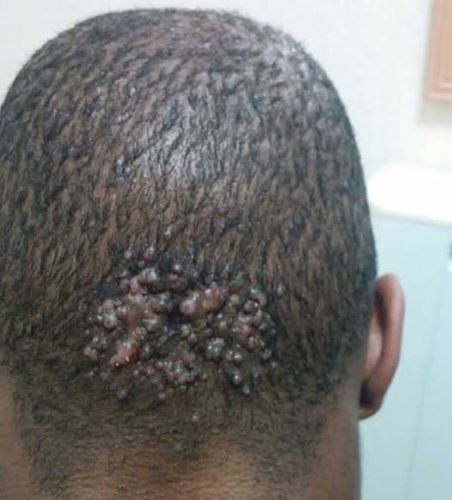
Have you ever noticed a scar that keeps growing long after the wound has healed? That’s likely a KELOID—an overgrowth of scar tissue that extends beyond the original injury. What are Keloids? Why do they form? Are they genetic or contagious? How do you get rid of them?
What exactly are keloids?
Keloids are raised, thickened areas of skin that form due to excessive collagen production during the healing process. Unlike regular scars, keloids don’t stop at the wound’s edge—they can spread and become quite noticeable.
How do they form?
Whenever your skin gets injured—through cuts, surgery, piercings, tattoos, or even acne—your body kicks into healing mode. But in some cases, the skin cells (fibroblasts) go into overdrive, producing too much collagen, and this extra tissue becomes a keloid.
They tend to appear after:
– Minor skin injuries, even during a haircut (barbing)
– Surgical wounds
– Piercings
– Vaccination sites
What are the common symptoms & signs?
ALSO READ [EXPLAINER] 10 other health purposes contraceptives are used for
– Keloids often appear shiny, smooth, and raised
– They range in color from pink to dark brown
– They cause itching, pain, or discomfort
– They grow over time and can become much larger than the original wound
Are keloids genetic?
Yes! Keloids tend to run in families, especially in people with darker skin tones – African, Asian, and Latino populations are more likely to develop them. If your parents have keloids, there’s a higher chance you might get them too.
Are they contagious? Can you get them from haircuts?
Keloids are NOT contagious—you can’t catch them from someone else. However, they can form after skin trauma like a nick during a haircut or shave. If you’re prone to keloids, it’s good to be cautious with sharp objects.
What are the treatment options?
While keloids are harmless, they can be bothersome. Here are some common treatments:
– Corticosteroid injections (eg Triamcinolone) – reduce size and discomfort
– Laser therapy – flattens and fades the keloid
– Cryotherapy – freezes off smaller keloids
– Silicone sheets or gels – applied over time to flatten scars
– Surgery – but be careful, keloids can return even after removal!
– Pressure therapy – wearing a compression garment over the area
Can you prevent keloids?
While there’s no guaranteed prevention, here’s what can help: Avoid unnecessary skin trauma (think piercings and tattoos). If you’re prone to keloids, talk to your doctor before undergoing surgery. Use pressure dressings or silicone gels after injuries.
Keloids may look and feel annoying, but they’re not dangerous. If they affect your confidence or cause discomfort, consult a healthcare professional to explore your options. It’s always best to catch them early for more effective treatment.
By EfthaliaCare
