

• Home
  • Agric
  • Sci & Tech
  • Health
  • Environment
  • Hausa News
  • More
    • Business/Banking & Finance
    • POLITICS
    • Entertainments & Sports
    • International
    • Investigation
    • Law & Human Rights
    • Africa
    • ACCOUNTABILITY/CORRUPTION
    • Hassan Gimba
    • Column
    • Prof. Jibrin Ibrahim
    • Prof. M.K. Othman
    • Defense/Security
    • Education
    • Energy/Electricity
    • Entertainment/Arts & Sports
    • Society and Lifestyle
    • Food & Agriculture
    • Health & Healthy Living
    • International News
    • Interviews
    • Investigation/Fact-Check
    • LAW & HUMAN RIGHTS
    • Oil & Gas/Mineral Resources
    • PRESS FREEDOM/JOURNALISM/PR
    • General News
    • Presidency
  • About Us
    • Contact Us
    • Board Of Advisory
    • Privacy Policy
    • Ethics Policy
    • Teamwork And Collaboration Policy
    • Fact-Checking Policy
    • Advertising
  • Media OutReach Newswire
    • Wire News
  • The Stories
Facebook Twitter Instagram
Trending
  • Despite tight monetary policy, Nigeria’s broad money supply climbs to N129.21trn in May
  • Nigerians keep N5.19trn outside banks despite cashless drive
  • Santuscom’s fertilizer to improve soil, crops
  • DSN CEO: Data classification key to Nigeria’s data sovereignty
  • Nigeria’s national metering rate rises to 57%
  • Lagos to increase investment in tech, innovation
  • Fulani group urges herders to support security efforts, expose criminals in Southwest
  • Nigeria’s local petrol production hits 48m litres daily
Facebook Twitter Instagram YouTube
AsheNewsAsheNews
  • Home
  • Agric

    Santuscom’s fertilizer to improve soil, crops

    June 23, 2026

    Nigeria’s neem advantage: Unlocking a strategic bioeconomy industry for climate, agriculture and industrial growth, Dr Fakunle Aremu

    June 22, 2026

    AFAN predicts drop in food prices after fertiliser distribution

    June 22, 2026

    Northern Nigeria’s poultry economy: Unlocking a multi-billion dollar investment opportunity across the value chain, By Dr. Fakunle Aremu

    June 19, 2026

    Association trains farmers on agroforestry, carbon opportunities

    June 18, 2026
  • Sci & Tech

    DSN CEO: Data classification key to Nigeria’s data sovereignty

    June 23, 2026

    Lagos to increase investment in tech, innovation

    June 23, 2026

    ALTON supports CBN’s local data hosting mandate

    June 20, 2026

    NDPC seeks INEC data records over breach allegations

    June 20, 2026

    SGF urges Galaxy Backbone to boost cybersecurity, broadband

    June 20, 2026
  • Health

    RCCG freedom court parish holds community cleanup for 18th anniversary

    June 23, 2026

    NAFDAC holds workshop on medicine safety in Karu

    June 22, 2026

    Expert urges focused use of N10bn for Ebola preparedness

    June 22, 2026

    From Sokoto to Bulgaria: Dr. Dange’s mission to transform pediatric care

    June 21, 2026

    Nigeria’s Fathers face silent mental health crisis

    June 21, 2026
  • Environment

    Nigeria’s national metering rate rises to 57%

    June 23, 2026

    Nigeria’s local petrol production hits 48m litres daily

    June 23, 2026

    Lagos joins global under2 climate coalition

    June 23, 2026

    FAAN considers extending airport taxi upgrade deadline to October

    June 23, 2026

    Floods, Windstorm devastate Ebonyi farmlands, shops

    June 22, 2026
  • Hausa News

    UNA signs MoU to launch air Bissau in Guinea-Bissau

    June 15, 2026

    Otti plans 250-room 5-star hotel in Umuahia

    April 11, 2026

    Anti-quackery task force seals 4 fake hospitals in Rivers

    August 29, 2025

    [BIDIYO] Yadda na lashe gasa ta duniya a fannin Ingilishi – Rukayya ‘yar shekara 17

    August 6, 2025

    A Saka Baki, A Sasanta Saɓani Tsakanin ‘Yanjarida Da Liman, Daga Muhammad Sajo

    May 21, 2025
  • More
    1. Business/Banking & Finance
    2. POLITICS
    3. Entertainments & Sports
    4. International
    5. Investigation
    6. Law & Human Rights
    7. Africa
    8. ACCOUNTABILITY/CORRUPTION
    9. Hassan Gimba
    10. Column
    11. Prof. Jibrin Ibrahim
    12. Prof. M.K. Othman
    13. Defense/Security
    14. Education
    15. Energy/Electricity
    16. Entertainment/Arts & Sports
    17. Society and Lifestyle
    18. Food & Agriculture
    19. Health & Healthy Living
    20. International News
    21. Interviews
    22. Investigation/Fact-Check
    23. LAW & HUMAN RIGHTS
    24. Oil & Gas/Mineral Resources
    25. PRESS FREEDOM/JOURNALISM/PR
    26. General News
    27. Presidency
    Featured
    Recent

    Despite tight monetary policy, Nigeria’s broad money supply climbs to N129.21trn in May

    June 23, 2026

    Nigerians keep N5.19trn outside banks despite cashless drive

    June 23, 2026

    Santuscom’s fertilizer to improve soil, crops

    June 23, 2026
  • About Us
    1. Contact Us
    2. Board Of Advisory
    3. Privacy Policy
    4. Ethics Policy
    5. Teamwork And Collaboration Policy
    6. Fact-Checking Policy
    7. Advertising
    Featured
    Recent

    Despite tight monetary policy, Nigeria’s broad money supply climbs to N129.21trn in May

    June 23, 2026

    Nigerians keep N5.19trn outside banks despite cashless drive

    June 23, 2026

    Santuscom’s fertilizer to improve soil, crops

    June 23, 2026
  • Media OutReach Newswire
    • Wire News
  • The Stories
AsheNewsAsheNews
Home»Health & Healthy Living»[EXPLAINER] Low sperm count, the unspoken crisis
Health & Healthy Living

[EXPLAINER] Low sperm count, the unspoken crisis

Ruth JattoBy Ruth JattoMarch 29, 2025Updated:March 29, 2025No Comments3 Mins Read
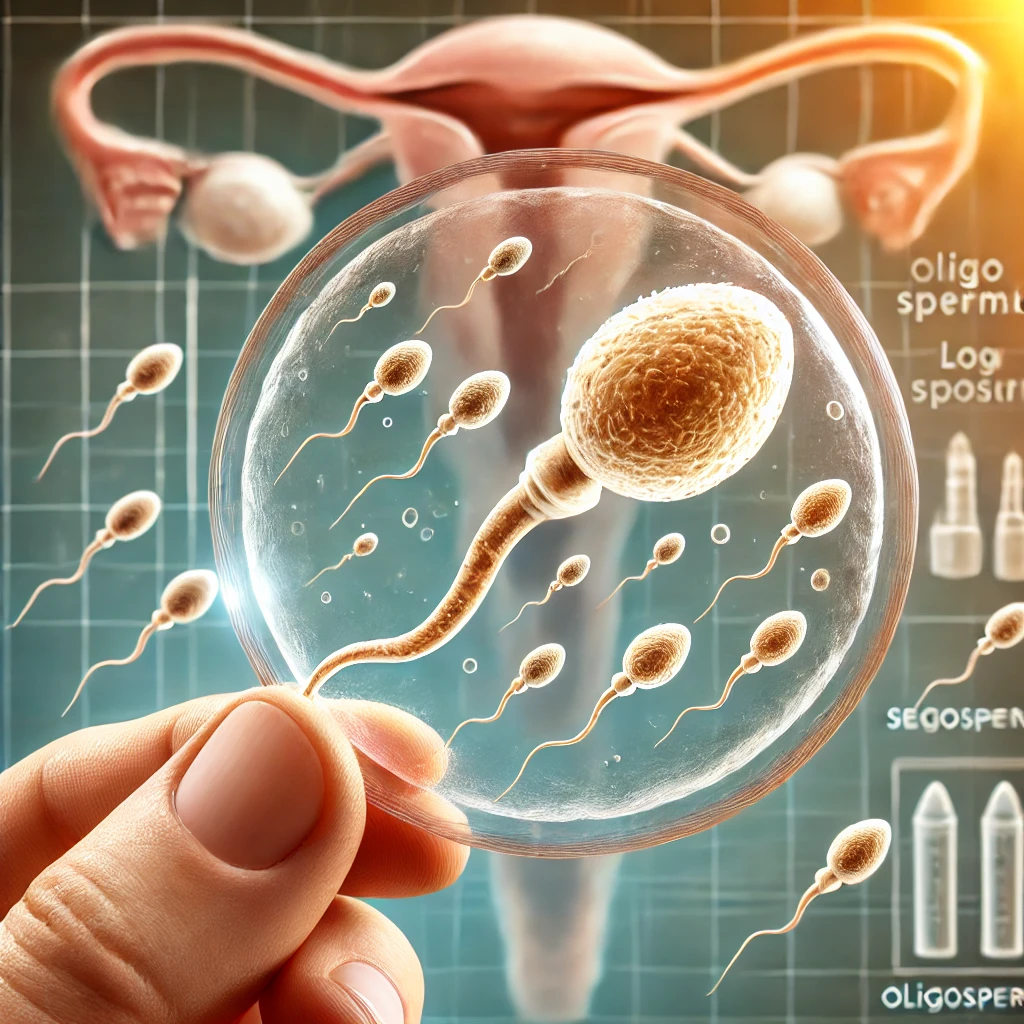
An illustration depicting low sperm count (oligospermia). The image shows a microscopic view of sperm cells in semen
Share
Facebook Twitter LinkedIn Pinterest Email

Infertility affects millions of couples worldwide, and while women’s reproductive health often takes center stage, male infertility is a growing concern. Low sperm count, also known as oligospermia, is a common issue affecting an estimated 10–15% of men. In this column, we’ll delve into the world of low sperm count, exploring its causes, symptoms, diagnosis, treatment options, and ways to address the stigma surrounding it.

By Ruth Jatto

What is low sperm count?

Low sperm count, or oligozoospermia, is a condition where a man’s semen contains a lower than normal number of sperm.  It refers to a semen sample containing fewer than 15 million sperm per milliliter, which can make it more difficult to conceive naturally. 

Causes of low sperm count

Low sperm count can result from a combination of lifestyle, environmental, and medical factors. Some common causes include:

Lifestyle choices: Smoking, excessive alcohol consumption, and obesity can negatively affect sperm quality and quantity.

Environmental toxins: Exposure to pesticides, heavy metals, and other pollutants can harm sperm production.

Medical conditions: Certain medical conditions, such as diabetes, thyroid disorders, and infections, can impact sperm count.

Genetic disorders: Conditions like Klinefelter syndrome can interfere with sperm production.

Symptoms and diagnosis

Low sperm count often does not cause noticeable symptoms, making diagnosis challenging. However, some men may experience:

Reduced fertility: Difficulty conceiving or a history of unsuccessful pregnancies.

Low libido: Decreased sex drive or erectile dysfunction.

Testicular pain or swelling: Discomfort or swelling in the testicles.

Diagnosis typically involves semen analysis, a physical examination, and hormone testing:

Semen analysis: A laboratory test that examines sperm count, motility, and morphology.

Physical examination: A doctor checks for any underlying medical conditions.

Hormone testing: Blood tests evaluate hormone levels, including testosterone.

Treatment options

While some cases of low sperm count are irreversible, various treatments can improve fertility:

Lifestyle modifications: Quitting smoking, reducing alcohol consumption, and maintaining a healthy weight can enhance sperm quality.

Medications: Hormone replacement therapy or medications that stimulate sperm production may be prescribed.

Surgery: In some cases, surgery may be necessary to address underlying medical conditions or blockages.

Assisted reproductive technologies (ART): Options like in vitro fertilization (IVF) or intracytoplasmic sperm injection (ICSI) can help overcome low sperm count.

Breaking the stigma

Low sperm count is often stigmatized, leading many men to suffer in silence. However, male infertility is a common issue that affects men from all walks of life.

Speaking openly about low sperm count and seeking medical help are crucial first steps in addressing this issue and improving fertility.

Conclusion

Low sperm count is a complex issue influenced by various factors. While diagnosis and treatment can be challenging, men should prioritize their reproductive health and seek medical attention if they experience difficulties conceiving.

By breaking the stigma surrounding low sperm count, we can encourage more men to speak openly about their struggles and seek the help they need to build their families.

Stay Mindful,
Ruth Jatto

Low sperm count
Share. Facebook Twitter Pinterest LinkedIn WhatsApp Reddit Tumblr Email
Ruth Jatto
  • Website

Related Posts

RCCG freedom court parish holds community cleanup for 18th anniversary

June 23, 2026

NAFDAC holds workshop on medicine safety in Karu

June 22, 2026

Expert urges focused use of N10bn for Ebola preparedness

June 22, 2026

Leave A Reply Cancel Reply

Despite tight monetary policy, Nigeria’s broad money supply climbs to N129.21trn in May

June 23, 2026

Nigerians keep N5.19trn outside banks despite cashless drive

June 23, 2026

Santuscom’s fertilizer to improve soil, crops

June 23, 2026

DSN CEO: Data classification key to Nigeria’s data sovereignty

June 23, 2026
About Us
About Us

ASHENEWS (AsheNewsDaily.com), published by PenPlus Online Media Publishers, is an independent online newspaper. We report development news, especially on Agriculture, Science, Health and Environment as they affect the under-reported rural and urban poor.

We also conduct investigations, especially in the areas of ASHE, as well as other general interests, including corruption, human rights, illicit financial flows, and politics.

Contact Info:
  • 1st floor, Dogon Daji House, No. 5, Maiduguri Road, Sokoto
  • +234(0)7031140009
  • ashenewsdaily@gmail.com
Facebook Twitter Instagram Pinterest
© 2026 All Rights Reserved. ASHENEWS Daily Designed & Managed By DeedsTech

Type above and press Enter to search. Press Esc to cancel.