


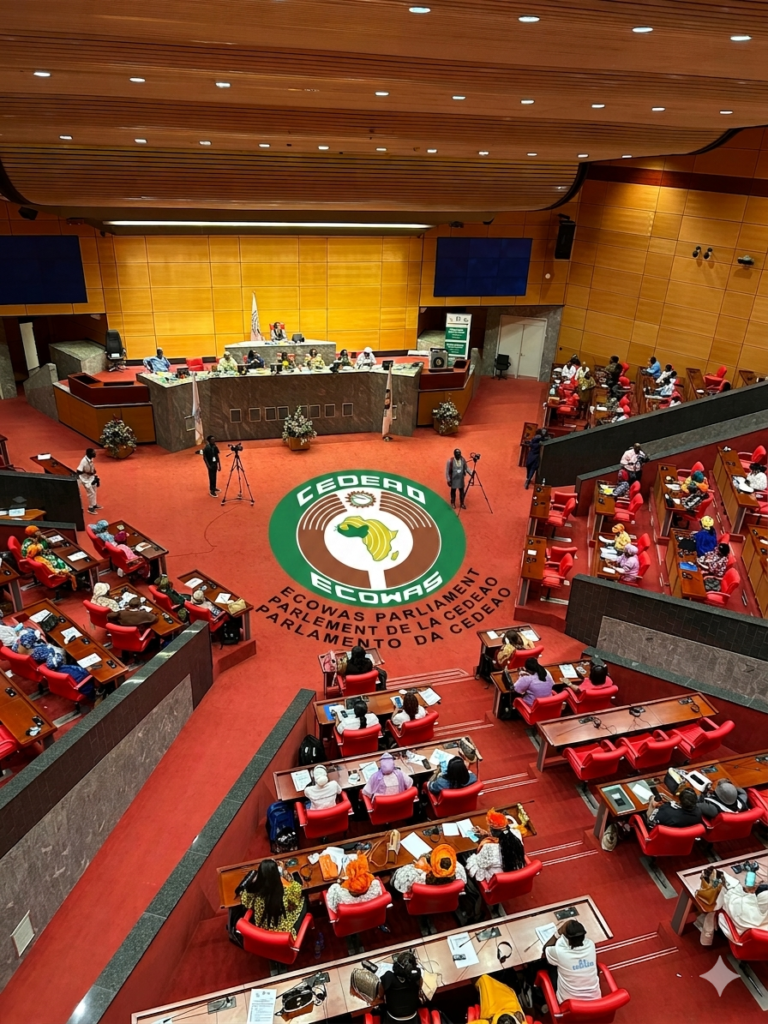
The West African Health Organization (WAHO) has called for harmonised postgraduate curricula in medical laboratory sciences, veterinary medicine, pharmacy and pharmaceutical sciences to strengthen healthcare delivery across the ECOWAS region.
Prof. Muhammad Pate, coordinating minister of health and social welfare, made the call through his representative, Dr. Dakum Benji, Nigeria’s liaison officer to WAHO, in Abuja on Monday.
Pate spoke at a three-day WAHO workshop to finalise and validate specialised training programmes in the four disciplines across the ECOWAS region.
He said harmonised curricula would establish common training standards, improve professional competence and strengthen regional health systems by developing a skilled healthcare workforce.
He described medical laboratory scientists, veterinary doctors, pharmacists and pharmaceutical scientists as essential to healthcare delivery, particularly in diagnosis, disease prevention, treatment and medicine safety.
Pate said medical laboratory scientists needed modern skills in molecular testing, quality assurance, biosafety and digital health to improve diagnostic accuracy and patient outcomes.
He noted that veterinary medicine was also important to human health, given that about 75 per cent of emerging infectious diseases originate in animals.
Pate said pharmacists and pharmaceutical scientists were essential to ensuring medicine safety, quality and appropriate use, while supporting local manufacturing standards and efforts to combat counterfeit drugs.
He urged stakeholders to validate the proposed curricula and align professional training with international standards. He described the initiative as an opportunity to support the renewal of Nigeria’s health sector.
Prof. Dossim Sika, representing the dean of faculties, commended WAHO for its holistic approach to regional health challenges and called for stronger cooperation among colleges and professional associations.
Sika urged stakeholders to set aside territorial interests and prioritise patients and populations across West Africa, saying collaboration among health professionals would improve regional health outcomes.
She encouraged participants to use the workshop documents to strengthen cooperation in medical laboratory sciences, pharmacy and pharmaceutical sciences within the One Health framework.
Prof. Awa Seck, representing the ECOWAS chairman, described the workshop as an important step towards developing a skilled health workforce capable of meeting growing healthcare demands across the region.
Seck said WAHO had prioritised human resources for health, adding that the proposed curricula were developed following extensive consultations with experts, training institutions and professional colleges.
She said the programmes must meet high scientific and professional standards to prepare specialists in biomedical sciences, veterinary medicine and pharmacy for emerging health challenges.
Seck said she hoped the discussions would produce harmonised, innovative curricula adapted to regional needs while strengthening cooperation and resilient health systems across West Africa.
Prof. Mulbah John, president-elect of the Regional Council of Health Professions Education, said curriculum harmonisation was essential to facilitating professional mobility and improving quality assurance in higher education institutions.
John commended WAHO for its leadership in improving health workforce training and thanked the Nigerian government for its institutional support and hospitality.
He said the process would establish training benchmarks, improve cooperation among member states and help health professionals respond effectively to current and emerging regional challenges.
Prof. Palokinam Pitché, WAHO director-general, was represented by Prof. Joseph Olorunda, head of training and human resources for health. Olorunda said quality diagnostics were fundamental to effective healthcare delivery.
He said medical laboratory scientists and pharmacists played complementary roles in diagnosis, treatment and patient care, and stressed the need to integrate diagnostic services into national health plans and universal health coverage packages.
Olorunda said inadequate investment in laboratory infrastructure had left many health facilities in low- and middle-income countries without access to basic diagnostic tests, forcing healthcare providers to rely on empirical and syndromic treatment.
Citing a study across 10 sub-Saharan African countries, he said only two per cent of healthcare facilities could perform at least eight basic diagnostic tests.
He called for sustainable, integrated laboratory networks and investment in professional training to improve access to quality diagnostics and strengthen healthcare delivery.
Olorunda also highlighted the importance of veterinary medicine in controlling zoonotic diseases, promoting food security and advancing the One Health approach.
He urged participants to develop competency-based specialised training curricula to facilitate the movement of health professionals, strengthen accreditation and improve networking among hospitals, laboratories, and training and research institutions.
Dr. Olusegun Adeoye, WAHO programme officer for pharmacy and allied health, said the workshop aimed to align and validate postgraduate curricula in veterinary medicine, laboratory sciences, pharmacy and pharmaceutical sciences with international standards and best practices.
Adeoye said the exercise would also ensure the curricula reflected the recognition of diplomas and their equivalencies across the ECOWAS region.
