


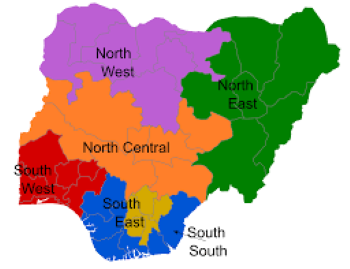
The Muslim Rights Concern (MURIC) has dismissed allegations that it or other Yoruba Muslim groups were inviting bandits and Boko Haram terrorists into the Southwest, describing the claims as a coordinated hate campaign by what it termed “Muslim haters.”
In a statement issued on Sunday, the Executive Director of the group, Professor Ishaq Akintola, said a social media post accusing MURIC of radicalising clerics in the region and encouraging terrorism was false and malicious.
Akintola alleged that some Yoruba Christian elements were behind sustained attempts to portray Yoruba Muslims and Islamic organisations as extremists.
ALSO READ Debate erupts over ethnic narratives after 4 suspected kidnappers killed in Lagos
ALSO READ Southwest Fulani Chiefs condemn kidnapping, dissociate selves from suspects
“We are in possession of a satanic tweet in which the author alleged that MURIC had radicalised Islamic clerics in the Southwest and those clerics are inviting terrorists to the region,” he said.
According to him, Yoruba Muslims had for decades faced religious persecution and resistance from groups opposed to what he described as efforts to “liberate Muslims in Yorubaland.”
He argued that it would be illogical for Yoruba Muslim groups to invite terrorists into the region, stressing that bandits and Boko Haram insurgents attack both Muslims and Christians.
“How can MURIC or any Yoruba Muslim group invite Boko Haram or bandits to Yorubaland when we all know that those criminals do not differentiate on the basis of religion?” he asked.
The MURIC leader said the organisation had consistently condemned terrorism and violent extremism over the years, citing previous statements against Boko Haram attacks, including the 2014 Chibok church attack, the 2022 Ondo church attack, and terrorist assaults in Zamfara State.
He also said the group had applauded security agencies for the arrest of terrorist leaders in 2025 and warned Muslim youths in the past against joining extremist organisations.
Akintola maintained that MURIC was committed to peaceful advocacy, noting that the group’s motto was “Dialogue, Not Violence.”
He further alleged that critics of the organisation were attempting to weaken its influence through “profiling, stereotyping and scapegoating” Yoruba Muslims.
The professor claimed that previous allegations linking him and the organisation to Boko Haram, including an alleged $200,000 payment accusation in 2020, had collapsed due to a lack of evidence.
Calling for unity among Yoruba people, Akintola urged residents of the Southwest to support security agencies and community vigilante groups in confronting insecurity.
He encouraged Yoruba youths, both Muslims and Christians, to join local resistance groups such as the Oduduwa Peoples Congress (OPC), Amotekun Corps and other vigilante organisations to resist banditry and terrorism.
“MURIC invites all Yoruba citizens to unite to fight bandits. A divided house can never stand,” he said.
Akintola also warned against politicising insecurity or turning it into a religious issue, insisting that Yoruba Muslims had no ties to terrorists and would continue to defend their rights and reputation.
