


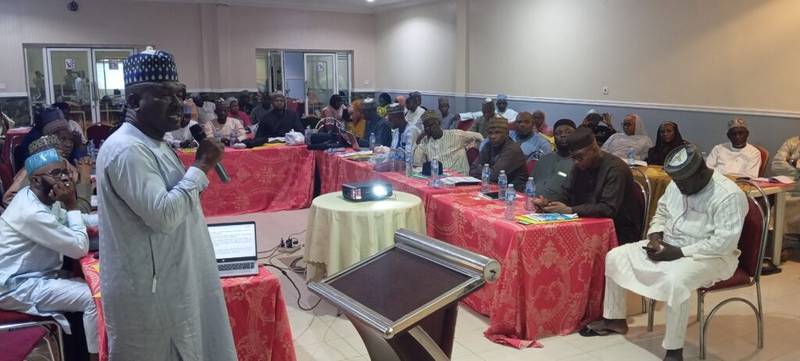
The International Labour Organisation (ILO) has trained over 5,000 specialists across Africa to strengthen social protection systems.
Mrs. Vanessa Phala-Moyo, ILO Country Director, announced this at the TRANSFORM Certificates Issuance Ceremony for a new cohort of Nigerians under the Supporting Sustainable Social Protection Systems in Nigeria (SUSI) project on Tuesday in Abuja.
The event was organised by the ILO in partnership with the Federal Government and UNICEF, with funding from the European Union (EU).
Phala-Moyo said the training equips professionals to design, implement, and manage social protection interventions effectively.
“The training builds a strong pool of experts to strengthen institutions and improve service delivery across the country. We want the capacity we develop to translate into real impact for vulnerable populations,” she said.
The TRANSFORM initiative, developed in 2016 at the request of the African Union, has been implemented in about 30 African countries. It is delivered through a partnership involving the ILO and UN agencies, including UNICEF, the World Food Programme (WFP), the Food and Agriculture Organisation (FAO), and the United Nations Development Programme (UNDP).
Phala-Moyo added that the newly certified trainers are part of a growing network of experts expected to drive inclusive policies and strengthen institutions in Nigeria. She urged beneficiaries to use their knowledge to train others and expand the reach of social protection interventions.
“The certificate you are receiving is not just a participation document but a professional recognition of your competence as social protection practitioners,” she said, reaffirming the ILO’s commitment to supporting certified trainers in applying their skills for national development.
Mrs. Chioma Osuji, representing the EU, said the union remains committed to strengthening Nigeria’s social protection systems through strategic partnerships and capacity-building initiatives. The EU-funded SUSI project aims to enhance institutional frameworks and improve service delivery for vulnerable populations.
Osuji emphasized that investing in human capacity through programs like TRANSFORM is critical for sustainable and inclusive social protection nationwide. She expressed confidence that the certification of new trainers will deepen the impact of social protection programs across the country.
Participants praised the funders for their support and pledged to advance the initiative’s objectives, expressing optimism that the training would create lasting impact through knowledge transfer and capacity development.
A total of 21 participants successfully completed the training and were inducted into the network of TRANSFORM practitioners in Africa.
