


The Resource Justice Network (RJN) has rejected any internal NSCDC investigation demanding the immediate creation of a Judicial Commission of Inquiry that includes civil society groups, the Nigerian Bar Association, human rights advocates, and independent medical experts.
The group called for an independent investigation and full accountability after 37 artisanal miners died while in the custody of the Nigeria Security and Civil Defence Corps (NSCDC) in Minna.
RJN described the deaths as a tragic and preventable loss of life and a severe violation of basic human rights, linking the incident to the broader criminalization of vulnerable artisanal miners in the state.
In a statement signed by the Niger state Coordinator, Mathew Oladele and made available to our correspondent, the organization urged the panel set up by the federal government to determine the exact causes of death, including possible overcrowding, torture, or exposure to toxic chemicals.
The group also called for the criminal prosecution of all NSCDC personnel involved, including the command leadership and custody officers, if negligence or complicity is established arguing that administrative suspensions alone are insufficient.
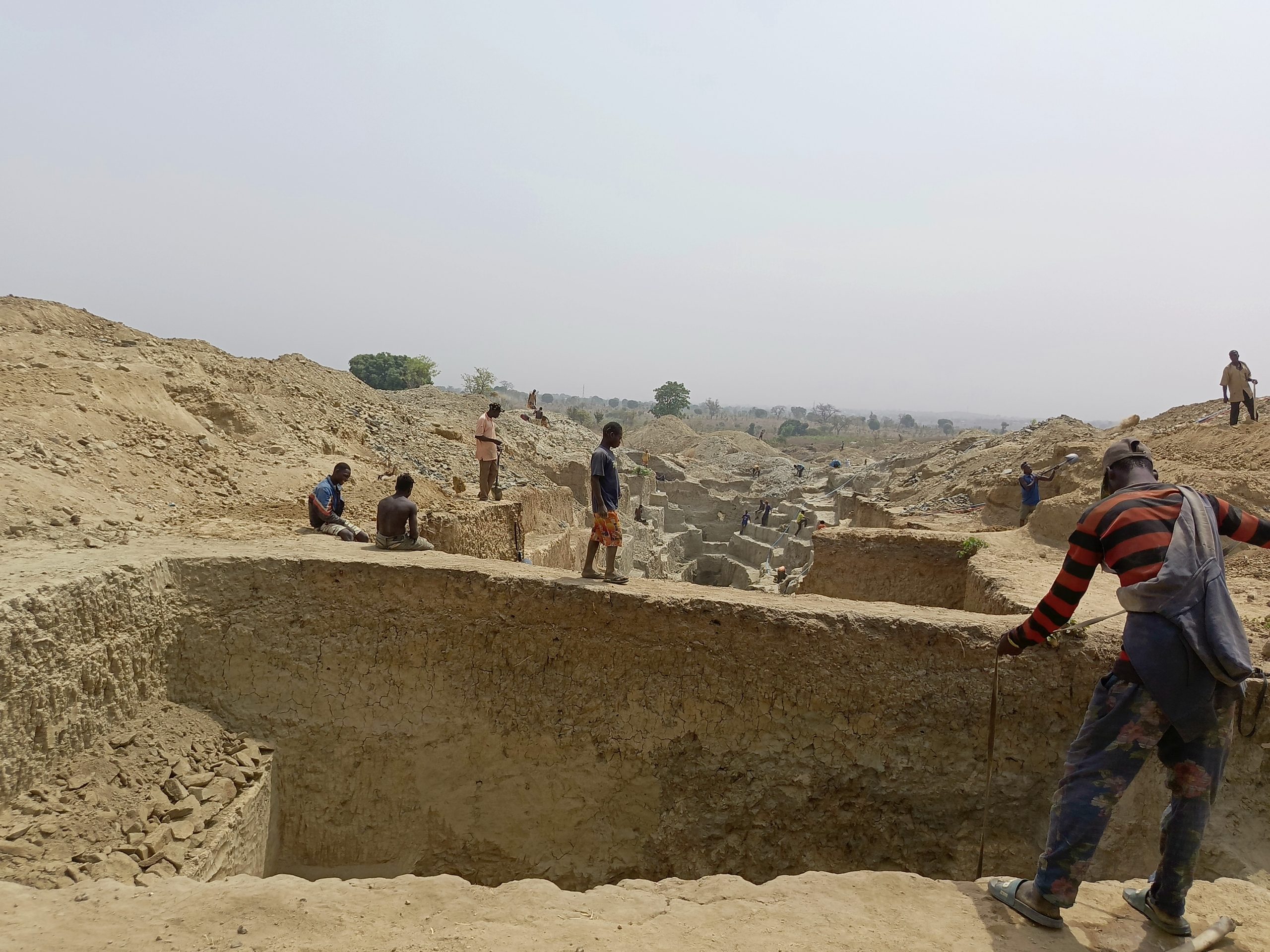
RJN further urged a shift away from treating informal miners as enforcement targets saying host communities and local artisanal workers are pushed into unregulated mining by economic hardship and systemic failures, while larger illicit operators and corporate polluters often face little consequence.
The network demanded that the Niger State Government and federal authorities publicly release the identities of all 37 victims, provide full transparency, and deliver financial compensation and psychosocial support to the bereaved families.
“Criminalizing vulnerable artisanal workers while failing to provide basic standards of care in state custody is a grave injustice,” the statement said. “We will not rest until full accountability, transparency, and justice are delivered for these 37 miners and their grieving families.”
RJN called on civil society organizations, international human rights groups, and residents of Niger State to stand with the victims’ families and press for systemic accountability.
