


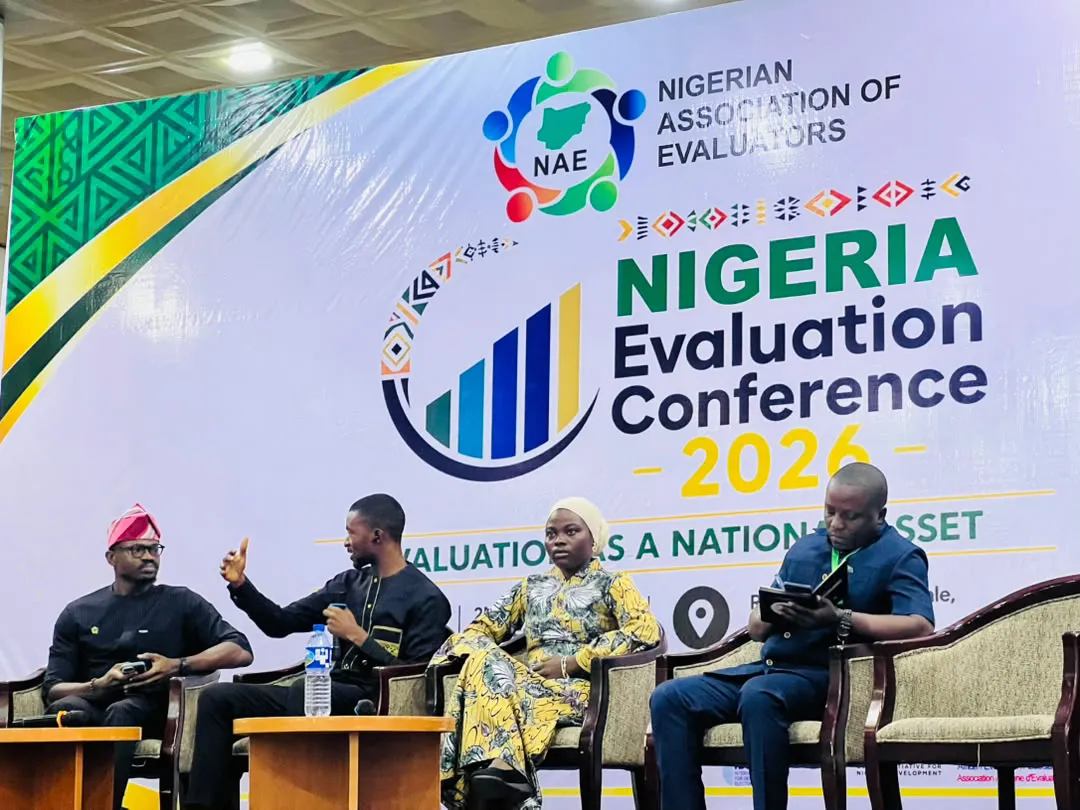
Cloneshouse LLC Nigeria and Cloneshouse Foundation for African Development have called for greater use of evidence, responsible artificial intelligence and youth participation in strengthening Nigeria’s evaluation and policymaking systems.
The organisations made the call at the 2026 Nigeria Evaluation Conference organised by the Nigerian Association of Evaluators (NAE) in Abuja from November 2 to 4.
The conference, themed “Evaluation as a National Asset,” brought together evaluation professionals, researchers, government representatives, development organisations and emerging practitioners to examine how evaluation can strengthen national development and institutional accountability.
Cloneshouse contributed to the three-day event through technical sessions, keynote presentations, research findings and professional discussions focusing on innovation, capacity development, accountability and youth participation.
On the opening day, Oludotun Babayemi, Director of Evidence and Intelligence at Cloneshouse, led sessions on generative AI and AI agents for evaluators.
The sessions examined the use of AI in evidence synthesis, document analysis, knowledge management and reporting, while stressing responsible adoption, data protection, source verification and the need to retain human professional judgement.
On the second day, Princess Odey, representing Cloneshouse Foundation, presented findings from the Cloneshouse Internship Programme (CIP), highlighting the role of mentorship, practical assignments and professional exposure in preparing young people for careers in evaluation.
According to the presentation, 37 of 64 evaluated alumni from 11 completed cohorts, representing about 58 per cent, had progressed into active professional roles within the evidence ecosystem.
Odey also stressed the need for stronger institutional investment and partnerships to create sustainable career pathways for emerging evaluation professionals.
Babayemi, on the final day, delivered a keynote on strengthening monitoring and evaluation systems, institutional accountability and youth participation.
He emphasised African ownership of evaluation processes and urged institutions to move beyond generating findings to translating evidence into measurable improvements.
Shittu Sulaimon, MEL Officer at Cloneshouse, also participated in a youth evaluation panel, where he advocated meaningful youth inclusion, structured mentorship and access to paid professional opportunities.
Meanwhile, Onochie Mokwunye, Director of MEL and Strategic Partnerships at Cloneshouse, presented findings from an evaluation of the Nigerian Youth Employment Action Plan (NIYEAP) 2025–2030.
The evaluation drew on more than 15,000 youth survey responses, document reviews and stakeholder consultations.
It identified gaps in institutional coordination and monitoring systems, while highlighting the need for meaningful youth participation and stronger private-sector engagement in the design and implementation of youth employment policies.
Cloneshouse said its contributions to the conference reflected an integrated approach to strengthening Nigeria’s evaluation ecosystem through responsible technological innovation, local talent development, institutional accountability and evidence-informed policymaking.
Through its technical advisory services and the Foundation’s capacity-development programmes, the organisation said it would continue supporting institutions and professionals to develop the skills, systems and practices needed to generate credible evidence and translate learning into development results.
