


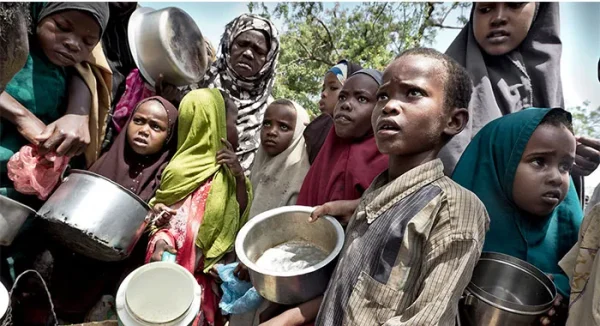
Nigeria faces a complex web of challenges including hunger, deprivation, and conflict, all of which are interconnected and exacerbate one another. This nexus presents a significant obstacle to the country’s development and stability.
Hunger and food insecurity are pervasive issues in Nigeria, with a large proportion of the population lacking access to an adequate and nutritious diet. This is due to a range of factors, including poverty, limited access to resources, and environmental degradation. The consequences of hunger are far-reaching, affecting health, education, and overall well-being.
Deprivation, in terms of lack of basic services such as healthcare, education, and clean water, further compounds the issue of hunger. Without these essential services, individuals and communities are more vulnerable to food insecurity and other challenges. Deprivation also perpetuates cycles of poverty and inequality, creating a breeding ground for conflict. The Nexus is prevalent.
Conflict, both internal and external, is a major driver of hunger and deprivation in Nigeria. In recent years, the country has experienced various forms of violence, including ethnic and religious conflicts, insurgency, and criminal activities. These conflicts disrupt food production, distribution, and access, leading to food shortages and displacement of populations.
ALSO READ: [OPINION] Social Unrest Threatens Stability: Crime, Protests, Disintegration on the Horizon
ALSO READ: Pervasive hunger: The Storms are Gathering, By Abdul-Azeez Suleiman
ALSO READ: Hunger: Northern Nigeria takes its mother to the sky, By Festus Adedayo
ALSO READ: Patients reporting snakebite cases late at hospitals – Expert
The interconnected nexus of hunger, deprivation, and conflict in Nigeria creates a vicious cycle that is difficult to break. Addressing one without addressing the others is unlikely to lead to lasting solutions.
Hunger and deprivation have long been recognized as root causes of conflict and instability in nations across the world. The nexus between food insecurity and violence is complex, with hunger exacerbating existing tensions and leading to social unrest.
One of the most prominent examples of hunger-induced conflicts in history is the Irish Potato Famine of the 1840s. The failure of the potato crop, which was the primary food source for the Irish population, caused widespread starvation and poverty. The British government’s inadequate response to the crisis exacerbated the suffering of the Irish people and led to a surge in resentment towards the colonial rulers. This eventually culminated in the Irish War of Independence and the partition of Ireland, highlighting how hunger and deprivation can sow the seeds of discontent and conflict within a nation.
Another examplery nexus of how hunger and deprivation have fueled conflict is the case of South Sudan. The country’s ongoing civil war, which began in 2013, has been exacerbated by widespread food insecurity and humanitarian crisis. With nearly half of the population facing severe hunger, competition for scarce resources has heightened tensions between various ethnic groups and armed factions. The lack of access to food and basic necessities has not only driven displacement and migration but also fueled violence as armed groups seek to control food supplies and dominate territories. The humanitarian crisis in South Sudan serves as a stark reminder of how hunger can be a catalyst for conflict and exacerbate existing political and social divisions.
Hunger and deprivation have also led to conflict in the case of Venezuela. The country’s economic collapse and hyperinflation have resulted in severe food shortages and widespread malnutrition. The lack of access to basic necessities, such as food and medicine, has sparked protests and social unrest, as people struggle to survive in the face of extreme deprivation. The political crisis in Venezuela has deepened as the government’s failure to address the humanitarian crisis has fueled popular discontent and violence. The dire situation in Venezuela underscores the devastating consequences of hunger and deprivation on peace and stability, highlighting the urgent need for international assistance and diplomatic solutions to address the root causes of conflict.
In addition to South Sudan and Venezuela, numerous other nations have experienced conflicts fueled by hunger and deprivation. In Yemen, the ongoing civil war has resulted in a severe humanitarian crisis, with millions of people facing starvation and malnutrition due to the blockade and fighting. The lack of access to food and basic necessities has not only led to widespread suffering but also fueled violence and extremism, as armed groups exploit the situation to recruit fighters and control territory. The conflict in Yemen serves as a grim reminder of how food insecurity can be a driver of conflict and exacerbate existing political and social tensions.
The scarcity of food and resources not only poses a threat to the physical well-being of individuals, but also has the potential to trigger severe conflicts within societies. Throughout history, we have witnessed numerous instances where hunger and deprivation have led to unrest, violence, and even wars. These conflicts arise from the desperation of people to meet their basic needs and the struggle for survival in resource-stricken environments. Nigeria, as a nation grappling with widespread poverty and food insecurity, serves as a poignant examplery nexus of how hunger and deprivation can fuel conflicts and exacerbate suffering within a country.
In more recent times, the civil war in South Sudan, which began in 2013, serves as a stark reminder of how hunger and deprivation can drive conflict. The war, fueled by political power struggles and ethnic tensions, has resulted in widespread famine and food insecurity in the country. The lack of access to basic resources has exacerbated the suffering of the South Sudanese people and fueled tensions between different ethnic groups. The conflict has displaced millions of people, leading to a humanitarian crisis of epic proportions. The dire situation in South Sudan underscores the devastating impact of hunger and deprivation on the stability and well-being of a nation.
In the case of Nigeria, the country has been plagued by chronic food insecurity and poverty, particularly in the northern regions. The Boko Haram insurgency, which has been active in the region since 2009, has exploited the grievances of the impoverished population to recruit fighters and further its agenda of violence and terror. The lack of economic opportunities and basic services in the northern states has created a fertile ground for extremist groups like Boko Haram to thrive. The conflict has resulted in widespread displacement, loss of life, and untold suffering for the Nigerian people.
The current situation in Nigeria exemplifies the complex interplay between hunger, deprivation, and conflict. The country’s high levels of poverty and food insecurity have created a fertile ground for unrest and violence. The government’s inability to address these underlying issues has further exacerbated the situation, leading to a cycle of poverty, conflict, and suffering. In order to break this cycle, it is imperative for the Nigerian government and the international community to prioritize efforts to alleviate hunger and deprivation, address the root causes of conflict, and build resilience within the population.
Hunger and deprivation have played a significant role in sparking conflicts and exacerbating suffering in nations around the world. The examples of the Irish Potato Famine and the civil war in South Sudan illustrate the devastating consequences of food insecurity and poverty on the stability and well-being of a nation. The situation in Nigeria serves as a poignant reminder of the interconnectedness between hunger, deprivation, and conflict. It is crucial for policymakers and stakeholders to address these root causes in order to prevent further suffering and promote peace and prosperity within nations.
Efforts to promote peace, strengthen institutions, and improve access to basic services are key components of addressing the nexus of hunger, deprivation, and conflict in Nigeria. International support and cooperation are also crucial in addressing these complex challenges.
A holistic approach that tackles the root causes of these issues, including poverty, inequality, and governance challenges, is necessary. By working together to address the underlying causes of hunger, deprivation, and conflict, Nigeria can move towards a more stable and prosperous future for all its citizens.
