

• Home
  • Agric
  • Sci & Tech
  • Health
  • Environment
  • Hausa News
  • More
    • Business/Banking & Finance
    • POLITICS
    • Entertainments & Sports
    • International
    • Investigation
    • Law & Human Rights
    • Africa
    • ACCOUNTABILITY/CORRUPTION
    • Hassan Gimba
    • Column
    • Prof. Jibrin Ibrahim
    • Prof. M.K. Othman
    • Defense/Security
    • Education
    • Energy/Electricity
    • Entertainment/Arts & Sports
    • Society and Lifestyle
    • Food & Agriculture
    • Health & Healthy Living
    • International News
    • Interviews
    • Investigation/Fact-Check
    • LAW & HUMAN RIGHTS
    • Oil & Gas/Mineral Resources
    • PRESS FREEDOM/JOURNALISM/PR
    • General News
    • Presidency
  • About Us
    • Contact Us
    • Board Of Advisory
    • Privacy Policy
    • Ethics Policy
    • Teamwork And Collaboration Policy
    • Fact-Checking Policy
    • Advertising
  • Media OutReach Newswire
    • Wire News
  • The Stories
Facebook Twitter Instagram
Trending
  • Two Straits, One Storm: Yemen, Iran, and the Unfinished Arithmetic of Adventurism
  • Gynaecologist seeks stronger primary healthcare to cut maternal deaths
  • Beyond the dance: Lessons from Osun 2026 for Nigeria 2027, by Prof. M.K. Othman
  • Bwari riders decry motorcycle theft, seizures
  • SDNON felicitates with member over appointment as head of media directorate for Delta NDC guber campaign
  • States spend N35bn on flood, erosion control
  • Of caps, marabouts and politics of envy, by Hassan Gimba
  • FG scraps data charges for students on approved educational platforms
Facebook Twitter Instagram YouTube
AsheNewsAsheNews
  • Home
  • Agric

    Who is policing the poison in Nigeria’s food chain?

    September 12, 2026

    NASC, PIND sign seed partnership

    September 12, 2026

    Women farmers call for investment in value-added agriculture

    September 11, 2026

    Women farmers laud SAA rice program in Jigawa

    September 11, 2026

    Poultry industry key to food security, jobs – PAN official

    September 10, 2026
  • Sci & Tech

    Nigeria urged to mainstream election tech

    September 11, 2026

    Biotech key to Nigeria’s food security, experts say

    September 10, 2026

    Australia to let users switch off social media algorithms

    September 9, 2026

    Africa contributes less than 1% of dementia research despite projected 348% rise in West Africa – Maina

    September 9, 2026

    Nigeria must stop consuming foreign neuroscience knowledge, NSN president says

    September 9, 2026
  • Health

    Gynaecologist seeks stronger primary healthcare to cut maternal deaths

    September 13, 2026

    BRICON urges cancer survivors to embrace life

    September 13, 2026

    Doctor urges Nigerians to prevent illness

    September 12, 2026

    Kaduna begins diphtheria vaccination

    September 12, 2026

    JDPCI calls for disability inclusion

    September 12, 2026
  • Environment

    Bwari riders decry motorcycle theft, seizures

    September 13, 2026

    States spend N35bn on flood, erosion control

    September 13, 2026

    Lagos moves beyond dumpsites

    September 12, 2026

    LASCOPA, NDLEA partner on drug abuse

    September 12, 2026

    RDI urges action to save Okun Alfa

    September 12, 2026
  • Hausa News

    UNA signs MoU to launch air Bissau in Guinea-Bissau

    June 15, 2026

    Otti plans 250-room 5-star hotel in Umuahia

    April 11, 2026

    Anti-quackery task force seals 4 fake hospitals in Rivers

    August 29, 2025

    [BIDIYO] Yadda na lashe gasa ta duniya a fannin Ingilishi – Rukayya ‘yar shekara 17

    August 6, 2025

    A Saka Baki, A Sasanta Saɓani Tsakanin ‘Yanjarida Da Liman, Daga Muhammad Sajo

    May 21, 2025
  • More
    1. Business/Banking & Finance
    2. POLITICS
    3. Entertainments & Sports
    4. International
    5. Investigation
    6. Law & Human Rights
    7. Africa
    8. ACCOUNTABILITY/CORRUPTION
    9. Hassan Gimba
    10. Column
    11. Prof. Jibrin Ibrahim
    12. Prof. M.K. Othman
    13. Defense/Security
    14. Education
    15. Energy/Electricity
    16. Entertainment/Arts & Sports
    17. Society and Lifestyle
    18. Food & Agriculture
    19. Health & Healthy Living
    20. International News
    21. Interviews
    22. Investigation/Fact-Check
    23. LAW & HUMAN RIGHTS
    24. Oil & Gas/Mineral Resources
    25. PRESS FREEDOM/JOURNALISM/PR
    26. General News
    27. Presidency
    Featured
    Recent

    Two Straits, One Storm: Yemen, Iran, and the Unfinished Arithmetic of Adventurism

    September 13, 2026

    Gynaecologist seeks stronger primary healthcare to cut maternal deaths

    September 13, 2026

    Beyond the dance: Lessons from Osun 2026 for Nigeria 2027, by Prof. M.K. Othman

    September 13, 2026
  • About Us
    1. Contact Us
    2. Board Of Advisory
    3. Privacy Policy
    4. Ethics Policy
    5. Teamwork And Collaboration Policy
    6. Fact-Checking Policy
    7. Advertising
    Featured
    Recent

    Two Straits, One Storm: Yemen, Iran, and the Unfinished Arithmetic of Adventurism

    September 13, 2026

    Gynaecologist seeks stronger primary healthcare to cut maternal deaths

    September 13, 2026

    Beyond the dance: Lessons from Osun 2026 for Nigeria 2027, by Prof. M.K. Othman

    September 13, 2026
  • Media OutReach Newswire
    • Wire News
  • The Stories
AsheNewsAsheNews
Home»Food & Agriculture»How waxing can transform Nigeria’s food preservation landscape
Food & Agriculture

How waxing can transform Nigeria’s food preservation landscape

EditorBy EditorSeptember 19, 2024Updated:September 19, 2024No Comments4 Mins Read
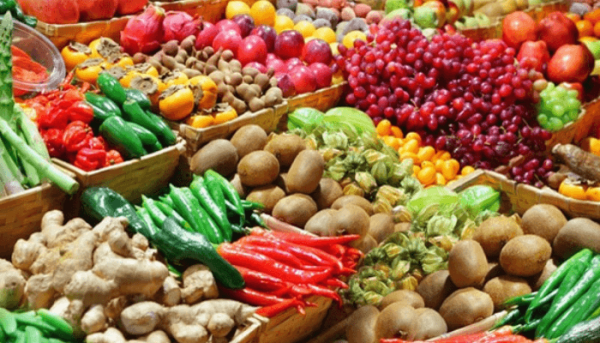
Food items
Share
Facebook Twitter LinkedIn Pinterest Email

Achieving food security in Nigeria is a pressing challenge, requiring the adoption of innovative practices throughout the agricultural value chain.

One of the most critical areas of focus is the preservation of fruits and vegetables, which are highly perishable and have a short shelf life.

Waxing, or wax coating, offers a promising solution to this issue, though it remains underutilized across Nigeria and Africa. This method can help extend the longevity of produce, playing a crucial role in reducing post-harvest losses and enhancing food security.

The Role of Waxing in Food Preservation

Waxing involves applying a food-grade wax layer to the surface of fruits and vegetables to replace some of the natural wax that is lost during harvesting, washing, and post-harvest handling.

Common fruits and vegetables that benefit from waxing include tomatoes, peppers, apples, oranges, cucumbers, and papayas.

The wax coating helps reduce water loss, maintain the appearance, and provide a barrier against decay-causing organisms such as moulds and bacteria. In regions without refrigeration, waxing is particularly valuable, as it can extend the shelf life of produce.

Fruits like apples, citrus fruits, cucumbers, avocados, and tomatoes are ideal candidates for waxing. However, some produce, such as leafy greens, cabbage, and root vegetables, are not suitable for wax coatings.

In the case of oranges, waxing not only enhances their appearance but also helps reduce weight loss, ensuring they remain marketable for longer periods.

Why Waxing is Essential

Wax coating is primarily done to improve the visual appeal of fruits and vegetables, making them more attractive to consumers. Beyond aesthetics, waxing also extends shelf life, slows down the development of moulds, and reduces water loss by up to 30%. This makes it an effective technique under commercial conditions, particularly in the absence of refrigeration.

Various types of wax are used for preservation, including:

1. Carnauba Wax: An affordable option with a low shine.

2. Shellac Wax: Known for its superior shine but prone to chalking after refrigeration.

3. Polyethylene Wax: Effective for controlling weight loss and providing a reasonable shine at a low cost.

4. Resin Wax: Offers a good shine but may cause damage to fruits like oranges.

To ensure optimal results, the waxing process requires careful consideration, including applying the correct amount of wax (typically 1.5 litres per ton of produce) and ensuring the fruits are clean and dry before application. The wax material must be food-grade, resistant to chalking, and capable of reducing weight loss by 30% to 50%.

Health Risks of Wax Consumption

While waxing can significantly improve food preservation, it is not without risks. If consumers fail to properly wash waxed produce, they may face potential health hazards.

One concern is the use of morpholine, a solvent in wax coatings.

When morpholine interacts with nitrates inside the body, it can form N-nitrosomorpholine (NMOR), a carcinogen linked to liver and kidney cancers. Regular ingestion of wax-coated fruits and vegetables may also lead to kidney and liver damage and allergic reactions caused by proteins in the wax.

Therefore, it is essential for consumers to thoroughly wash waxed produce before consumption.

A Step Toward Reducing Post-Harvest Losses

Nigeria currently loses an estimated ₦3.5 trillion annually due to post-harvest losses, according to the Minister of Agriculture, Mohammad Mahmood Abubakar.

The lack of adequate storage is a significant challenge, particularly for crops like cucumbers, which spoil rapidly due to high water content.

Researcher Kalu Orji has noted that poor storage conditions lead to market gluts and price slumps, further compounding farmers’ losses.

A Call for Sustainable Practices

Research from the Nigerian Stored Products Research Institute (NSPRI) highlights that only certain fruits and vegetables benefit from waxing.

These include apples, avocados, cucumbers, and tomatoes. However, the choice of wax is crucial, as some types may contain harmful chemicals.

Farmers need to use natural, food-grade wax materials and seek professional guidance when adopting this preservation method.

With proper implementation and consumer education, waxing could be a game-changing strategy for improving food preservation in Nigeria.

By reducing post-harvest losses and extending the shelf life of perishable produce, waxing techniques could contribute to enhanced food security and a more resilient agricultural sector.

Food preservation Post harvest losses waxing
Share. Facebook Twitter Pinterest LinkedIn WhatsApp Reddit Tumblr Email
Editor
  • Website

Related Posts

Who is policing the poison in Nigeria’s food chain?

September 12, 2026

NASC, PIND sign seed partnership

September 12, 2026

Women farmers call for investment in value-added agriculture

September 11, 2026

Leave A Reply Cancel Reply

Two Straits, One Storm: Yemen, Iran, and the Unfinished Arithmetic of Adventurism

September 13, 2026

Gynaecologist seeks stronger primary healthcare to cut maternal deaths

September 13, 2026

Beyond the dance: Lessons from Osun 2026 for Nigeria 2027, by Prof. M.K. Othman

September 13, 2026

Bwari riders decry motorcycle theft, seizures

September 13, 2026
About Us
About Us

ASHENEWS (AsheNewsDaily.com), published by PenPlus Online Media Publishers, is an independent online newspaper. We report development news, especially on Agriculture, Science, Health and Environment as they affect the under-reported rural and urban poor.

We also conduct investigations, especially in the areas of ASHE, as well as other general interests, including corruption, human rights, illicit financial flows, and politics.

Contact Info:
  • 1st floor, Dogon Daji House, No. 5, Maiduguri Road, Sokoto
  • +234(0)7031140009
  • ashenewsdaily@gmail.com
Facebook Twitter Instagram Pinterest
© 2026 All Rights Reserved. ASHENEWS Daily Designed & Managed By DeedsTech

Type above and press Enter to search. Press Esc to cancel.