


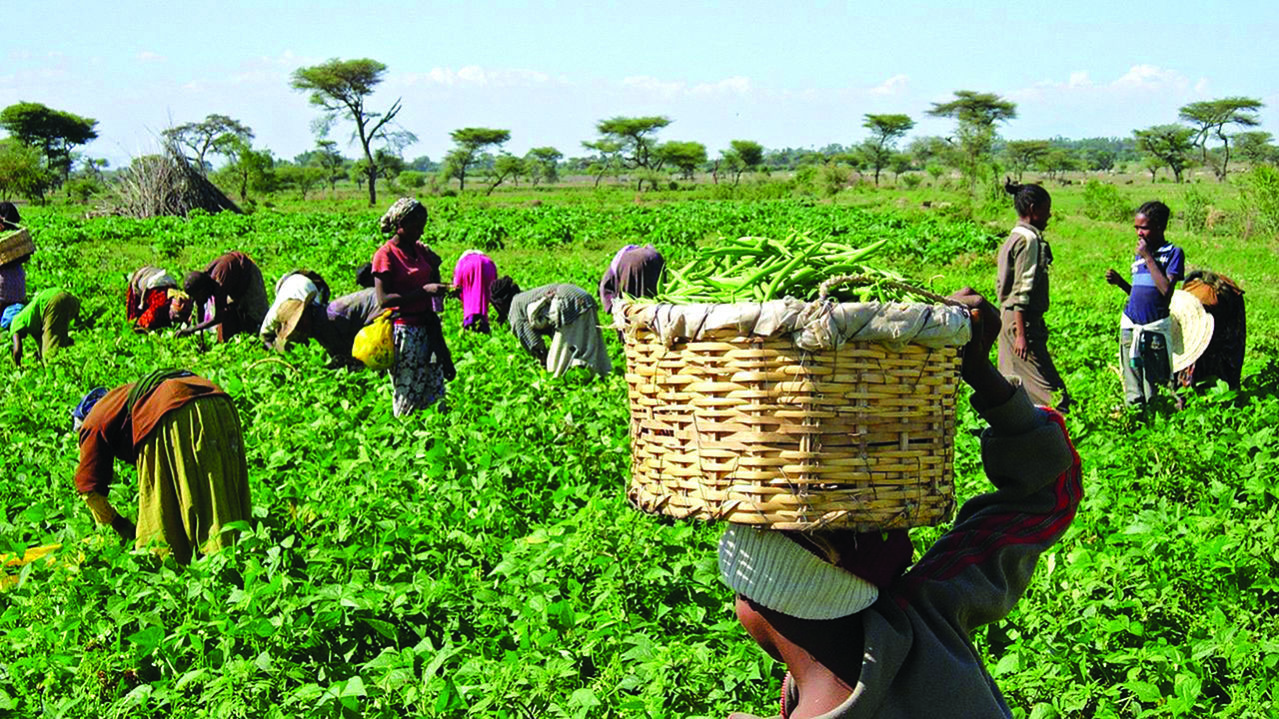
Farmers are increasingly turning to agricultural insurance to protect their investments against floods, drought, diseases and other production risks.
The Managing Director of Guinea Insurance Plc, Mr Ademola Abidogun, said the company insured about 50 farmer groups, including agritech firms, within six months.
Abidogun disclosed this in an interview with reporters on Tuesday in Lagos.
Also present was Mr Baron Omiji, Team Lead, Agric Insurance at Guinea Insurance Plc.
He said the company’s Agricultural Insurance Desk became fully operational in 2023 and had since expanded coverage across various segments of the agricultural value chain.
According to him, beneficiaries include poultry, crop, fishery and livestock farmers, as well as owners of farm properties.
Abidogun said both smallholder and commercial farmers benefited from the company’s agricultural insurance products, with smallholders standing to gain more.
He explained that smallholder farmers were more vulnerable to production risks and often had limited access to finance to recover from losses.
“Both sets of farmers benefit from our products. However, smallholder farmers benefit more because they are more exposed to risks and have limited access to finance,” he said.
Abidogun said the company had intensified awareness campaigns through partnerships with agritech firms to improve agricultural insurance adoption, particularly in rural communities.
He cited a recent farmers’ engagement in Iseyin, Oyo State, where Guinea Insurance educated farmers on protecting their investments against unforeseen losses.
According to him, several farmers who attended the programme subsequently took up insurance cover for their farming operations.
The managing director said the company’s agricultural insurance products protected farmers against climate-related and other production risks, including flood, drought, windstorm, fire and heat stress.
He said the company also offered specialised insurance products covering crops, livestock, fisheries, poultry, farm produce and agricultural assets.
Abidogun explained that the Crop Insurance Policy compensated farmers for losses arising from fire, flood, pests, diseases, drought, windstorm and aircraft damage.
He said livestock insurance covered mortality resulting from fire, flood, diseases, accidents and windstorms, while fishery insurance covered losses caused by similar risks and pond collapse.
He added that poultry farmers were protected against losses resulting from fire, flood, diseases, accidents and windstorm damage.
According to him, the Combined Produce and Investment Insurance Plan protects farm buildings, equipment and harvested produce against fire, flood, theft, burglary and machinery damage.
He said the plan also covered produce kept in warehouses or transported to markets, helping farmers reduce losses beyond the point of harvest.
Abidogun said Guinea Insurance also operated an Area Yield Index Insurance Policy for crop farmers whose yields fell below agreed expectations.
He said the policy covered adverse events such as drought, flood, heatwaves and windstorms, with compensation determined by several farm and production factors.
These factors, he said, included hectares cultivated, historical production records, production costs, farm-gate prices, expected harvest and farmers’ experience.
The managing director dismissed the notion that agricultural insurance was only for commercial farmers or that insurance companies failed to honour genuine claims.
He said both smallholder and large-scale farmers had benefited from claims settlements under the company’s agricultural insurance policies.
“One of the biggest misconceptions is that agricultural insurance is only for large-scale farmers and that insurance does not pay.
“We have insured both small and large-scale farmers, and they have benefited through claims payments whenever genuine losses occurred.
“Agricultural insurance helps to de-risk farmers’ investments and provides compensation when unforeseen losses occur,” he said.
Abidogun said the company’s agricultural insurance premiums were flexible and affordable because they were designed to suit different categories and scales of farming operations.
He explained that premium rates varied according to the type of agricultural enterprise, farm location, cultivated hectares, number of livestock and scale of production.
He added that genuine claims were processed promptly after field assessments had been completed.
“For agricultural insurance, every reported loss is assessed on the farm, and genuine claims are paid within one week after the execution of the discharge voucher,” he said.
Abidogun described insurance as an essential risk management tool that farmers should adopt from the planning stage of their farming activities.
According to him, purchasing insurance before losses occurred enabled farmers to recover more quickly from disasters and sustain their businesses.
“Insurance is what you buy when you don’t need it, but when you need it, it might not be readily available.
“It is a necessary and reliable risk management tool that every wise farmer should consider from the planning stage of farming operations,” he said.
He said such early preparation would help farmers guard against unforeseen circumstances capable of eroding their investments.
