


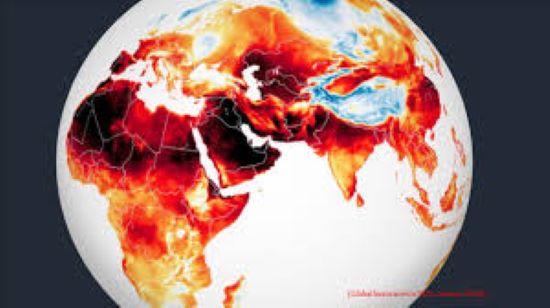
The World Health Organization (WHO) and three United Nations agencies have launched a global framework to help countries monitor and respond to the growing health risks extreme heat poses to pregnant women, newborns and children.
The framework, developed by WHO, the World Meteorological Organization (WMO), UNICEF and the United Nations Population Fund (UNFPA), introduces the first set of priority indicators for tracking heat-related health impacts on these vulnerable groups.
It aims to strengthen preparedness, improve health monitoring and accelerate responses as extreme heat becomes more frequent and severe worldwide.
Evidence cited by the agencies shows that exposure to extreme heat is associated with a 26 per cent increase in the odds of preterm birth. Newborns are also facing greater exposure, with babies under one year experiencing 389 per cent more heatwave days in 2024 than during the 1986–2005 baseline period.
An estimated 1.5 billion children globally are exposed to heatwaves that are becoming more frequent, longer or more severe.
“As our world continues to heat up, it creates new risks for health, and older people, pregnant women, newborns and children are among those least able to escape them,” said Bruce Gordon, acting director of WHO’s Department of Environment, Climate Change, One Health and Migration.
He said health systems needed reliable data to recognise emerging risks and take action, including protecting vulnerable populations during heatwaves and integrating climate risks into routine health services.
The framework recommends that countries track indicators such as preterm births, stillbirths, low birthweight, hypertension during pregnancy, child deaths and visits to health facilities during periods of extreme heat.
School attendance monitoring is also recommended to help identify how rising temperatures disrupt children’s education and daily lives.
Dr Pascale Allotey, director of WHO’s Department of Sexual, Reproductive, Maternal, Child and Adolescent Health and Ageing, said monitoring health outcomes alongside heat exposure would help countries identify potential impacts and take preventive action.
“What health systems do not count, they cannot respond to,” Allotey said, stressing the importance of tracking premature births, child deaths, illnesses and health-facility visits.
According to WHO, combining routine health records with heat-exposure data, including air temperatures, could help authorities detect unusual changes during extreme heat events, investigate possible links and respond appropriately.
The data could also help health authorities anticipate increased demand on medical facilities, improve heat warnings for pregnant women and families, identify high-risk communities and strengthen heat-health planning.
WHO urged governments to develop and implement heat-health action plans tailored to their local circumstances, with specific provisions for pregnant women, newborns and children.
It also called for stronger early-warning systems and timely interventions to reduce preventable harm as extreme heat intensifies worldwide.
