


Nigeria and other African nations remain dangerously unprepared to handle the next major climate disaster, with untested response systems, poor inter-agency coordination, and inadequate resources likely to cost lives and livelihoods when the inevitable strikes.
This was declared by a South African environmental expert, Professor Hope Magidimisha-Chipungu at the 6th School of Environmental Technology International Conference (SETIC 2026) hosted by the Federal University of Technology, Minna.
Magidimisha-Chipungu of the University of KwaZulu-Natal, South Africa delivered the stark assessment in her keynote address titled “Responding to the next disaster: Building resilient communities before crisis strikes”.
Drawing on real-world failures, Magidimisha-Chipungu highlighted how systems that exist on paper often collapse in practice stating that basic readiness checks are neglected.
“We have systems in place but we have not tested them,” she said. “We make an assumption that these systems are working.”
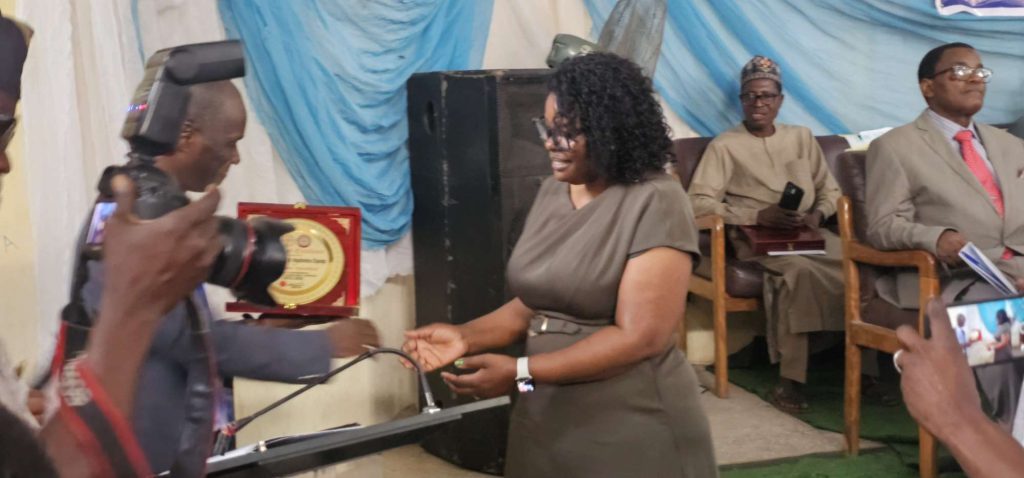
According to her, as climate threats intensify, without immediate, coordinated action across prevention and preparedness phases, the next disaster will expose Africa’s readiness deficits with tragic consequences adding that African nations, including Nigeria, must move from reactive responses to proactive resilience building before it is too late.
She pointed that prevention, preparedness, response, and recovery must form an integrated approach lamenting that African countries often excel only in post-disaster counting of losses while neglecting upstream measures.
“There are no comprehensive, tested action plans in many municipalities, insufficient community engagement, and data generated by researchers rarely informs decision-making. Traditional knowledge is seldom blended with scientific approaches, leaving residents to rebuild in the same flood-prone areas”, she noted.
The professor also noted that despite efforts said to be made towards response, dedicated emergency teams frequently lack the equipment and fuel needed for rapid deployment stressing that a delayed response is as good as not responding.
She noted that there are rapid population growth around the world pointing that rapid population growth, especially in Africa, will strain cities already struggling with poor planning while unplanned urbanization and weak political will compound the vulnerabilities.
“We are creating environments which do not respond to our needs. As experts in this field, We are supposed to advise. We are the experts. We are supposed to lead the discourse,” she said, challenging postgraduate students to design cities that address daily realities rather than theoretical ideals.
To reverse this dangerous trajectory, the professor called for urgent steps including budgeting specifically for climate resilience, developing regional strategies across Africa, prioritizing implementation over mere planning, strengthening infrastructure with maintenance in mind, and embedding climate education in school curricula from an early age.
She urged Nigerian and other African leaders to prioritize the development of durable infrastructure backed by strict maintenance protocols.
The conference at the School of Environmental Technology Lecture Theater brought together national and international academics, policymakers, and students to confront these gaps and would end on Thursday.
The Dean of the School of Environmental Technology, Federal University of Technology, Minna, Professor Olurotimi Kemiki said that the conference is posed to address the question of the type of Africa that needs to be on ground.
Kemiki said that the conference is hosting national and international scholars and professionals on ground and virtually.
The Chairman of the Conference, Professor Ogunbode Ezekiel Babatunde said the conference has grown remarkably over the years stressing that research should not be left to remain on library shelves but must be used to change lives, improve communities, influence policy and solve problems.
He urged every participant to make the most of the conference.
The Chief Host and Vice-Chancellor of FUT Minna, Professor Faruk Adamu Kuta declared the conference open urging the participants to engage in discussions aimed at fostering actionable stewardship.
Awards were presented to some personalities who have distinguished themselves in various fields and supported the conference.
