



In a direct response to the deepening water crisis gripping the Niger State capital, a non-governmental organization, Saf-She Enterprise, has provided five hours of free water access to residents across three major communities in Minna.
The intervention targeted neighborhoods where the collapse of public water infrastructure has forced households to rely almost exclusively on expensive commercial boreholes and private vendors.

By offsetting the costs typically charged by borehole operators, the organization enabled hundreds of residents to fill their containers without charge, offering a brief reprieve from the financial and physical strain of the city’s persistent scarcity.
Safiya Yaman Muhammad, the Chief Executive Officer of Saf-She Enterprise, stated during the exercise that the initiative was designed to cushion the immediate hardship faced by vulnerable families.
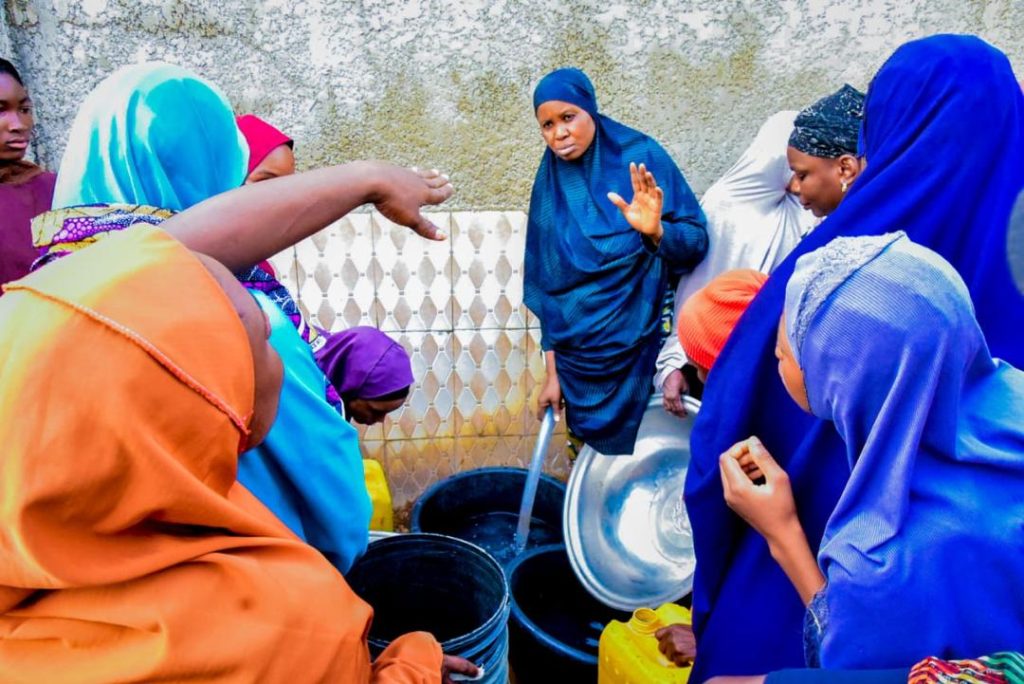
She explained that the program was made possible through the financial contributions of local philanthropists and public-spirited individuals who recognized that clean water has become an unaffordable luxury for many.
According to Muhammad, the gesture is part of a broader humanitarian framework aimed at supporting communities struggling under the weight of current economic pressures.
The perennial water shortage in Minna has reached a critical point, with many residents spending a significant portion of their daily income on “mairuwa” (water vendors) or trekking long distances to find functional points of supply.
Beneficiaries at the collection sites expressed relief, noting that the few hours of free access saved their households money that would have otherwise been diverted from food budgets.
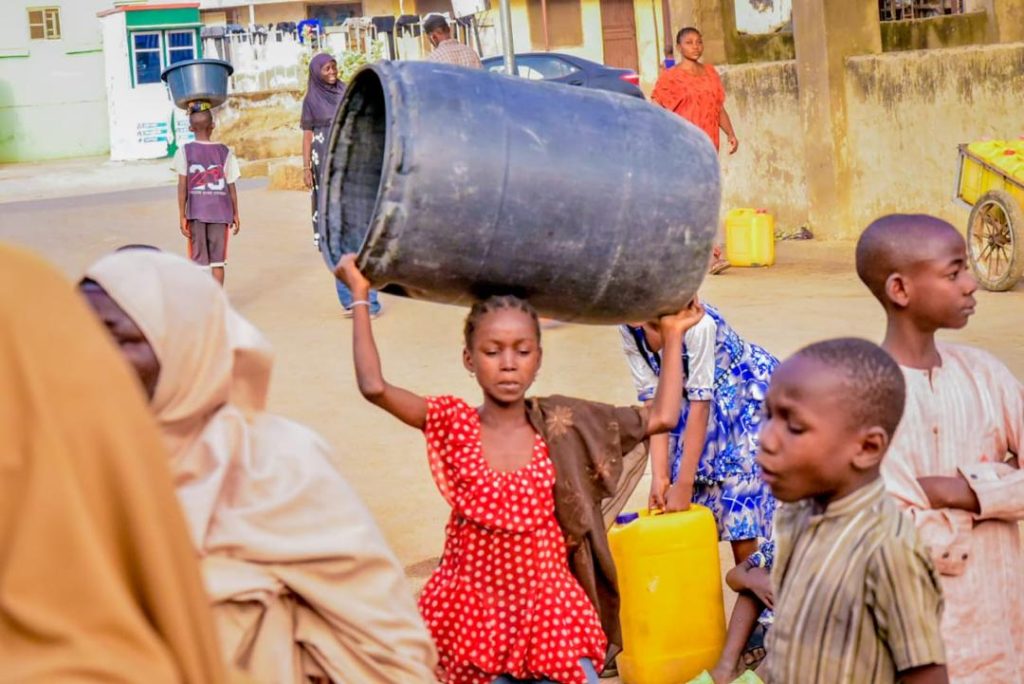
While the intervention provided temporary succor, community leaders present at the distribution points emphasized that the city’s water challenges require more than short-term charity.
They called on the state government and larger corporate bodies to form sustainable partnerships that could lead to the permanent restoration of the public water works, noting that the recurring nature of the scarcity continues to hamper the health and productivity of Minna’s growing population.

