


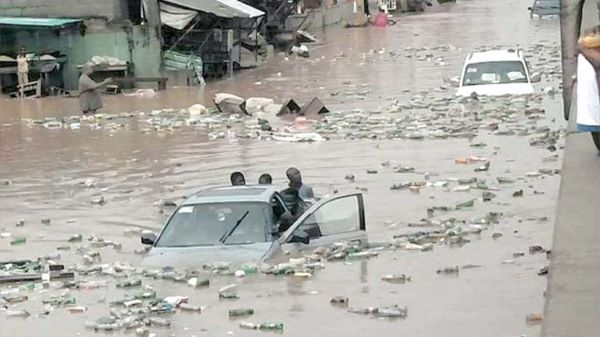
Lagos State is implementing strategic measures to tackle flooding, sand dredging, and other issues affecting its waterfronts.
The state Commissioner for Waterfront Infrastructure Development, Mr. Dayo Bush-Alebiosu, gave this assurance during an interactive session with journalists in Lagos on Thursday.
Bush-Alebiosu stated that the government’s approach is not just reactive to flooding. Instead, focus should be on how quickly floodwaters recede after rainfall, rather than just the occurrence of flooding.
“Flooding occurs everywhere, but what matters is how fast the water drains,” he said.
He emphasized that interventions should be addressed before problems escalate. “Understanding the factors responsible and implementing the right solutions is key,” he added.
The commissioner acknowledged institutional challenges in coordinating waterfront development but noted that improved collaboration among relevant agencies was helping to resolve them.
He also expressed concern about sand dredging and reclamation activities, especially their environmental and infrastructural impacts.
Bush-Alebiosu called for accurate data on sand quantities in Lagos waters, where it is being dredged, and how to manage the resource sustainably.
“What Lagos has are land and water. How do we utilize them if we don’t know which areas should be left to replenish themselves? Proper management requires necessary information,” he said.
He added that the ministry is working to gather relevant data and conduct studies to guide decisions on dredging, reclamation, and waterfront development.
The commissioner expressed concern over the environmental and infrastructural consequences of indiscriminate dredging and poor handling of excavated materials. He pointed out that areas, including near the Lagos airport, have experienced significant degradation, with large craters from excavation activities.
He stressed the importance of proper management of excavated materials and adherence to standards by operators.
Bush-Alebiosu noted that the recent Supreme Court judgment clarifying state responsibilities has created a better legal environment for Lagos to develop institutions and policies for managing its lagoon and waterways.
He mentioned that initiatives like the proposed Lagoon Authority and Lagoon Policy, which once seemed futuristic, could now be pursued more effectively with clearer legal backing.
Regarding waterfront reclamation projects, he said the government encourages developers with approved plans to proceed, provided environmental and safety assessments are conducted. The ministry is also working with authorities to ensure projects are safe.
The government is investing in jetties and waterfront infrastructure to improve water transport, decongest roads, and lower transportation costs.
He cited a proposed jetty project aimed at serving multiple communities and enhancing waterway connectivity.
“When transportation costs are reduced, the price of goods also drops, improving affordability. Water transport isn’t just for moving people; it helps in moving goods and easing road pressure,” he explained.
The ministry has also renovated some jetties inherited from previous administrations and is committed to ensuring waterfront infrastructure is well-placed, accessible, and fit for purpose.
Overall, Lagos’s waterfront projects aim to boost mobility, stimulate economic activities, and optimize the use of its aquatic resources. The ministry will continue collaborating with stakeholders and agencies to improve waterfront management and development.
