

• Home
  • Agric
  • Sci & Tech
  • Health
  • Environment
  • Hausa News
  • More
    • Business/Banking & Finance
    • Politics/Elections
    • Entertainments & Sports
    • International
    • Investigation
    • Law & Human Rights
    • Africa
    • ACCOUNTABILITY/CORRUPTION
    • Hassan Gimba
    • Column
    • Prof. Jibrin Ibrahim
    • Prof. M.K. Othman
    • Defense/Security
    • Education
    • Energy/Electricity
    • Entertainment/Arts & Sports
    • Society and Lifestyle
    • Food & Agriculture
    • Health & Healthy Living
    • International News
    • Interviews
    • Investigation/Fact-Check
    • Judiciary/Legislature/Law & Human Rights
    • Oil & Gas/Mineral Resources
    • Press Freedom/Media/PR/Journalism
    • General News
    • Presidency
  • About Us
    • Contact Us
    • Board Of Advisory
    • Privacy Policy
    • Ethics Policy
    • Teamwork And Collaboration Policy
    • Fact-Checking Policy
    • Advertising
  • Media OutReach Newswire
    • Wire News
  • The Stories
Facebook Twitter Instagram
Trending
  • Indigenous, feminist groups push rights-based energy transition at Colombia conference
  • NGX reports smooth start to extended trading hours
  • Reps panel adopts N105.14bn RMAFC 2025 budget
  • China becomes first major economy with full Africa zero-tariff
  • Faleke picks N100m APC nomination forms for Tinubu’s 2027 re-election bid
  • Kano commences 2026 Africa vaccination week
  • Nigeria faces acute shortage of public health physicians
  • PTAD settles final N32,000 pension arrears for DBS retirees
Facebook Twitter Instagram YouTube
AsheNewsAsheNews
  • Home
  • Agric

    World agriculture forum inaugurates Nigeria Country council

    April 28, 2026

    U.S. revives GSM-102 credit scheme to deepen agricultural trade with Nigeria

    April 27, 2026

    Poultry farmers seek increased financing to boost production

    April 27, 2026

    Malnutrition: FG rolls out community food bank programme in Northeast

    April 27, 2026

    Yam prices surge across Lagos markets

    April 26, 2026
  • Sci & Tech

    Artemis II: Space exploration, and the question of African future, By Prof. M. K. Othman

    April 28, 2026

    Nigeria needs unified cybersecurity – Expert warns

    April 27, 2026

    MTN Nigeria backs youth platform with over N45m

    April 27, 2026

    PalmPay CEO flags trust issues in digital payments

    April 25, 2026

    Meta to cut 10% of workforce amid AI push

    April 25, 2026
  • Health

    Kano commences 2026 Africa vaccination week

    April 28, 2026

    Nigeria faces acute shortage of public health physicians

    April 28, 2026

    Ghana rejects U.S. bilateral health deal

    April 28, 2026

    Social media fuels health misinformation – Expert

    April 28, 2026

    FCT residents express mixed views on childhood immunisation

    April 28, 2026
  • Environment

    CTV audience grows over 300% to 8m viewers on GOtv

    April 27, 2026

    Yobe council approves N59.8bn for project, infrastructure

    April 27, 2026

    Rainstorm damages homes, school in Kaduna

    April 27, 2026

    LASTMA to launch free short code for traffic reports

    April 27, 2026

    LASEMA averts casualties in truck accident at Daleko bridge, Isolo

    April 27, 2026
  • Hausa News

    Otti plans 250-room 5-star hotel in Umuahia

    April 11, 2026

    Anti-quackery task force seals 4 fake hospitals in Rivers

    August 29, 2025

    [BIDIYO] Yadda na lashe gasa ta duniya a fannin Ingilishi – Rukayya ‘yar shekara 17

    August 6, 2025

    A Saka Baki, A Sasanta Saɓani Tsakanin ‘Yanjarida Da Liman, Daga Muhammad Sajo

    May 21, 2025

    Dan majalisa ya raba kayan miliyoyi a Funtuwa da Dandume

    March 18, 2025
  • More
    1. Business/Banking & Finance
    2. Politics/Elections
    3. Entertainments & Sports
    4. International
    5. Investigation
    6. Law & Human Rights
    7. Africa
    8. ACCOUNTABILITY/CORRUPTION
    9. Hassan Gimba
    10. Column
    11. Prof. Jibrin Ibrahim
    12. Prof. M.K. Othman
    13. Defense/Security
    14. Education
    15. Energy/Electricity
    16. Entertainment/Arts & Sports
    17. Society and Lifestyle
    18. Food & Agriculture
    19. Health & Healthy Living
    20. International News
    21. Interviews
    22. Investigation/Fact-Check
    23. Judiciary/Legislature/Law & Human Rights
    24. Oil & Gas/Mineral Resources
    25. Press Freedom/Media/PR/Journalism
    26. General News
    27. Presidency
    Featured
    Recent

    Indigenous, feminist groups push rights-based energy transition at Colombia conference

    April 28, 2026

    NGX reports smooth start to extended trading hours

    April 28, 2026

    Reps panel adopts N105.14bn RMAFC 2025 budget

    April 28, 2026
  • About Us
    1. Contact Us
    2. Board Of Advisory
    3. Privacy Policy
    4. Ethics Policy
    5. Teamwork And Collaboration Policy
    6. Fact-Checking Policy
    7. Advertising
    Featured
    Recent

    Indigenous, feminist groups push rights-based energy transition at Colombia conference

    April 28, 2026

    NGX reports smooth start to extended trading hours

    April 28, 2026

    Reps panel adopts N105.14bn RMAFC 2025 budget

    April 28, 2026
  • Media OutReach Newswire
    • Wire News
  • The Stories
AsheNewsAsheNews
Home»EDITORIAL»No tribe above the law: How Soludo’s truth-telling can curb communal crises
EDITORIAL

No tribe above the law: How Soludo’s truth-telling can curb communal crises

Abdallah el-KurebeBy Abdallah el-KurebeJuly 13, 2025No Comments3 Mins Read
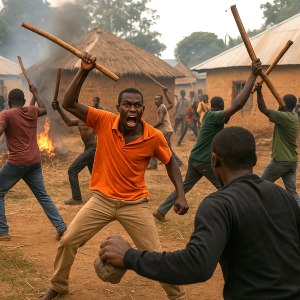
Communal clashes in Nigeria
Share
Facebook Twitter LinkedIn Pinterest Email

Governor Chukwuma Soludo of Anambra State stirred public discourse recently when he boldly revealed that 99 percent of arrested kidnappers in his state are Igbos, not Fulanis—a declaration that cuts through layers of ethnic myths and blame games that often cloud Nigeria’s internal security challenges. His frankness is not just refreshing—it offers a roadmap for reducing communal tensions and tackling insecurity with integrity.

For too long, communal clashes and farmers-herders crises have bedeviled Nigeria, particularly in Plateau, Benue, Taraba, Kaduna, and Nasarawa states. These conflicts often escalate because of a dangerous habit of ethnic shielding, where communities protect or excuse the criminal activities of their own. This culture of silence and denial gives room for impunity to flourish while innocent lives and livelihoods are destroyed.

Governor Soludo’s stance sends a powerful message: crime has no ethnicity, and criminals should be named, shamed, and prosecuted—regardless of their communal or tribal affiliations. His approach stands in contrast to the prevailing norm in many flashpoints across the country, where leaders and communities often default to blaming external groups—especially the Fulani—for violence, while turning a blind eye to the misdeeds of their own sons and daughters.

By calling out criminals within his own ethnic group, Soludo has challenged other political leaders, traditional institutions, and civil society actors to confront homegrown criminality with the same courage and transparency. When criminals are publicly identified and denounced by their own, it strips them of the legitimacy and protection they enjoy under the cover of ethnic solidarity. It also sends a clear signal to the broader community: violence and lawlessness will not be tolerated in any form.

Moreover, honest community policing and conflict resolution efforts depend on accurate intelligence and accountability. When communities refuse to name or shame their criminals, they compromise their own security architecture. They also frustrate law enforcement efforts and perpetuate cycles of revenge attacks and mistrust.

Nigeria cannot build peace on a foundation of lies and selective outrage. The myth that all violence originates from outsiders has not only proven false but also dangerous. Whether in Anambra or Benue, Plateau or Zamfara, the truth must prevail over tribal loyalty if we are to achieve genuine security and reconciliation.

It is time for other governors and traditional leaders to adopt the “Soludo Style”—to speak hard truths, confront uncomfortable realities, and expose the rot within. Only by holding our own accountable can we expect justice and peace across communities.

If Nigeria must heal, we must stop shielding the guilty and start naming and shaming the real culprits—no matter whose child they are.

Benue Charles Soludo communal clashes Kaduna kidnapping Nasarawa Plateau Taraba
Share. Facebook Twitter Pinterest LinkedIn WhatsApp Reddit Tumblr Email
Abdallah el-Kurebe
  • Website
  • Facebook
  • Twitter
  • LinkedIn

Related Posts

Rivers Police arrest suspect over kidnapping, rape

April 12, 2026

[EDITORIAL] When lies are designed to divide—The Sokoto video that refuses to die

April 6, 2026

[EDITORIAL] The big umbrella or a golden cage? Nigeria’s vanishing choices

March 15, 2026

Leave A Reply Cancel Reply

Indigenous, feminist groups push rights-based energy transition at Colombia conference

April 28, 2026

NGX reports smooth start to extended trading hours

April 28, 2026

Reps panel adopts N105.14bn RMAFC 2025 budget

April 28, 2026

China becomes first major economy with full Africa zero-tariff

April 28, 2026
About Us
About Us

ASHENEWS (AsheNewsDaily.com), published by PenPlus Online Media Publishers, is an independent online newspaper. We report development news, especially on Agriculture, Science, Health and Environment as they affect the under-reported rural and urban poor.

We also conduct investigations, especially in the areas of ASHE, as well as other general interests, including corruption, human rights, illicit financial flows, and politics.

Contact Info:
  • 1st floor, Dogon Daji House, No. 5, Maiduguri Road, Sokoto
  • +234(0)7031140009
  • ashenewsdaily@gmail.com
Facebook Twitter Instagram Pinterest
© 2026 All Rights Reserved. ASHENEWS Daily Designed & Managed By DeedsTech

Type above and press Enter to search. Press Esc to cancel.