


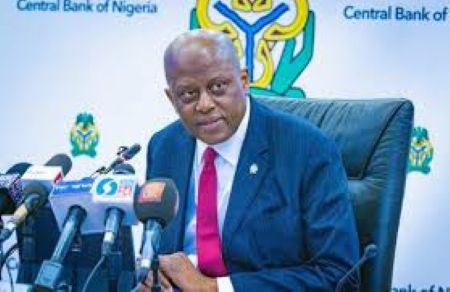
The Central Bank of Nigeria’s surprise decision to slash its benchmark interest rate from 26.5% to 23% could stimulate economic activity and reduce borrowing costs, but analysts warn that the move may also put pressure on foreign exchange inflows.
The 350-basis-point reduction was announced by CBN Governor Olayemi Cardoso after the 307th Monetary Policy Committee meeting on Tuesday, marking a major shift from the bank’s prolonged tightening stance.
Dr Muda Yusuf, Chief Executive Officer of the Centre for the Promotion of Private Enterprise (CPPE), said the decision could address inconsistencies in the monetary policy framework, particularly the gap between the MPR and prevailing market rates. He said lower borrowing costs could provide relief to businesses, especially small and medium-sized enterprises, but cautioned that reduced yields could affect portfolio investment and FX liquidity.
Jerry Igwilo, CEO of Nisela Capital, linked the rate reduction to the sustained moderation in inflation, saying lower interest rates could ease financing constraints and support economic expansion. The CBN said its decision was supported by three consecutive months of declining headline inflation, improved exchange-rate stability and better inflation expectations.
Nigeria’s headline inflation fell to 15.39% in August 2026, down from 23.14% a year earlier, according to the National Bureau of Statistics. While analysts broadly described the rate reset as a significant shift, they said the CBN would need to balance efforts to support growth with the need to protect foreign exchange inflows and macroeconomic stability.
