

• Home
  • Agric
  • Sci & Tech
  • Health
  • Environment
  • Hausa News
  • More
    • Business/Banking & Finance
    • POLITICS
    • Entertainments & Sports
    • International
    • Investigation
    • Law & Human Rights
    • Africa
    • ACCOUNTABILITY/CORRUPTION
    • Hassan Gimba
    • Column
    • Prof. Jibrin Ibrahim
    • Prof. M.K. Othman
    • Defense/Security
    • Education
    • Energy/Electricity
    • Entertainment/Arts & Sports
    • Society and Lifestyle
    • Food & Agriculture
    • Health & Healthy Living
    • International News
    • Interviews
    • Investigation/Fact-Check
    • LAW & HUMAN RIGHTS
    • Oil & Gas/Mineral Resources
    • PRESS FREEDOM/JOURNALISM/PR
    • General News
    • Presidency
  • About Us
    • Contact Us
    • Board Of Advisory
    • Privacy Policy
    • Ethics Policy
    • Teamwork And Collaboration Policy
    • Fact-Checking Policy
    • Advertising
  • Media OutReach Newswire
    • Wire News
  • The Stories
Facebook Twitter Instagram
Trending
  • Association trains farmers on agroforestry, carbon opportunities
  • Nigerian SMEs boost growth via digital payments, investments
  • Benin residents urge quick completion of Ramat park flyover
  • NCoS launches new PPP committee for infrastructure projects
  • Osun residents seek alternatives amid gas price surge
  • Lagos police nab woman over human trafficking of Kaduna girls
  • Jigawa techs call for vocational skills support
  • Oyo assembly cancels anniversary celebrations over security concerns
Facebook Twitter Instagram YouTube
AsheNewsAsheNews
  • Home
  • Agric

    Association trains farmers on agroforestry, carbon opportunities

    June 18, 2026

    IWMI, IFPRI link Kano farmers to solar irrigation support

    June 17, 2026

    Dangote expects over $4bn annual forex earnings from fertiliser exports

    June 16, 2026

    AFAN Kano calls for fertilizer subsidy to boost agriculture

    June 16, 2026

    Food security expert urges youth involvement in agriculture

    June 16, 2026
  • Sci & Tech

    Nigerian SMEs boost growth via digital payments, investments

    June 18, 2026

    Jigawa techs call for vocational skills support

    June 18, 2026

    Mupita warns against rising Afrophobic sentiments

    June 18, 2026

    AI expert urges youth to focus on human skills

    June 18, 2026

    Nigeria fully digitized 38 MDAs, says civil service head

    June 17, 2026
  • Health

    WHO releases first guidelines for Filovirus diseases

    June 18, 2026

    NAFDAC prepares for second phase of sachet alcohol enforcement

    June 18, 2026

    Nigeria launches N50m fund for cancer patients

    June 17, 2026

    NEDC boosts healthcare in Adamawa

    June 17, 2026

    Niger intensifies Ebola screening for returning pilgrims from Saudi Arabia

    June 17, 2026
  • Environment

    Benin residents urge quick completion of Ramat park flyover

    June 18, 2026

    Shettima urges states to document assets, boost investment, tourism

    June 18, 2026

    GlobalFact summit brings 500 fact-checkers from 80 countries to Lithuania

    June 17, 2026

    All injured passengers discharged after train accident

    June 16, 2026

    SWEEP calls for waste management reforms in Lagos

    June 16, 2026
  • Hausa News

    UNA signs MoU to launch air Bissau in Guinea-Bissau

    June 15, 2026

    Otti plans 250-room 5-star hotel in Umuahia

    April 11, 2026

    Anti-quackery task force seals 4 fake hospitals in Rivers

    August 29, 2025

    [BIDIYO] Yadda na lashe gasa ta duniya a fannin Ingilishi – Rukayya ‘yar shekara 17

    August 6, 2025

    A Saka Baki, A Sasanta Saɓani Tsakanin ‘Yanjarida Da Liman, Daga Muhammad Sajo

    May 21, 2025
  • More
    1. Business/Banking & Finance
    2. POLITICS
    3. Entertainments & Sports
    4. International
    5. Investigation
    6. Law & Human Rights
    7. Africa
    8. ACCOUNTABILITY/CORRUPTION
    9. Hassan Gimba
    10. Column
    11. Prof. Jibrin Ibrahim
    12. Prof. M.K. Othman
    13. Defense/Security
    14. Education
    15. Energy/Electricity
    16. Entertainment/Arts & Sports
    17. Society and Lifestyle
    18. Food & Agriculture
    19. Health & Healthy Living
    20. International News
    21. Interviews
    22. Investigation/Fact-Check
    23. LAW & HUMAN RIGHTS
    24. Oil & Gas/Mineral Resources
    25. PRESS FREEDOM/JOURNALISM/PR
    26. General News
    27. Presidency
    Featured
    Recent

    Association trains farmers on agroforestry, carbon opportunities

    June 18, 2026

    Nigerian SMEs boost growth via digital payments, investments

    June 18, 2026

    Benin residents urge quick completion of Ramat park flyover

    June 18, 2026
  • About Us
    1. Contact Us
    2. Board Of Advisory
    3. Privacy Policy
    4. Ethics Policy
    5. Teamwork And Collaboration Policy
    6. Fact-Checking Policy
    7. Advertising
    Featured
    Recent

    Association trains farmers on agroforestry, carbon opportunities

    June 18, 2026

    Nigerian SMEs boost growth via digital payments, investments

    June 18, 2026

    Benin residents urge quick completion of Ramat park flyover

    June 18, 2026
  • Media OutReach Newswire
    • Wire News
  • The Stories
AsheNewsAsheNews
Home»Defense/Security»Why US military strike in Nigeria is dangerous blow to sovereignty, constitutional order – Prof.  Muhammad
Defense/Security

Why US military strike in Nigeria is dangerous blow to sovereignty, constitutional order – Prof.  Muhammad

EditorBy EditorDecember 26, 2025Updated:December 27, 2025No Comments4 Mins Read
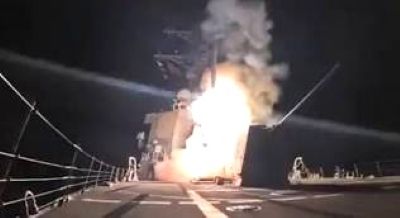
Trump announces U.S. strikes on Islamic State targets in Nigeria
Share
Facebook Twitter LinkedIn Pinterest Email

All Nigerians who respect national dignity, constitutionalism, and sovereignty should be extremely concerned about this development. Even when described as a “joint operation,” reports of a US military strike in northwest Nigeria raise significant normative and political concerns regarding the boundaries of outside intervention in Nigeria’s security matters. The normalisation of foreign military intervention under the pretence of counterterrorism collaboration, which reproduces subtle but enduring forms of neocolonial power over African governments, is a problematic tendency reflected in such operations.

‎‎The terminology allegedly used by the US President Donald Trump to describe the operation as a reaction to terrorists “targeting Christians” is especially troublesome. This description is harmful from a political and analytical standpoint. It obscures the structural causes of violence and perpetuates Islamophobic global narratives by reducing Nigeria’s complicated security crisis to a religious binary. Nigerian authorities and academics have long recognised that the country’s instability is not caused by religious conflict but rather by a confluence of criminality, poor governance, poverty, institutional degradation, and socioeconomic exclusion. Such simplistic framing runs the risk of exacerbating already precarious interreligious ties and intensifying community polarisation.

ALSO READ Report reveals U.S. conducting surveillance flights over Nigeria

‎Beyond rhetoric, the presence of foreign military operations on Nigerian soil raises serious questions about constitutional authority and sovereignty. It is required of a sovereign state to maintain sole authority over the lawful use of force inside its boundaries. This fundamental concept is symbolically undermined when a foreign power officially announces military actions carried out inside Nigeria. Nigeria’s position as an independent actor in international affairs is weakened by the power imbalance involved, even in cases where consent or cooperation may be present.

‎This incident falls within a larger trend of neocolonial security governance in Africa, where foreign powers increasingly use the continent as a testing ground for counterterrorism initiatives. The United States has increased its military presence and influence throughout Africa through organisations like AFRICOM, frequently putting geopolitical and strategic objectives ahead of locally based peacebuilding. By prioritising monitoring, kinetic operations, and strategic access above long-term institution-building, these arrangements tend to reproduce reliance rather than lasting security capacity.

‎The democratic deficit around these security agreements is also concerning. Decisions that have a significant impact on human safety and national sovereignty seem to be made in closed military and diplomatic circles with little legislative oversight or transparency. Rather than through responsible domestic institutions, Nigerians learn about activities carried out on their own territory from foreign declarations. This erodes public confidence in democratic processes, reduces civilian authority over the security sector, and threatens constitutional governance.

‎Significant risks of escalation and unforeseen consequences also exist. Foreign military actions have the potential to spark reprisals, exacerbate grievances, and provide extreme organisations with propaganda about external dominance. Such measures could further destabilise already vulnerable areas and radicalise impacted groups instead of reducing violence. Therefore, security tactics that mainly rely on outside force run the risk of creating the very circumstances they are meant to eradicate.

‎‎In the end, Nigeria cannot import sustained security. It necessitates the rebuilding of domestic security institutions using reliable intelligence systems, professionalism, accountability, and respect for human rights. Addressing the socioeconomic causes of insecurity, such as poverty, unemployment, marginalisation, and poor governance, is equally crucial. By establishing a clear legal framework governing any foreign military cooperation and guaranteeing strong parliamentary scrutiny, Nigeria must restore its constitutional authority. International collaborations must be based on respect for one another, openness, and Nigerian leadership rather than reliance. For counterterrorism to be legitimate and successful, it must bolster democracy and sovereignty rather than undermine them; otherwise, collaboration runs the risk of turning into a modern manifestation of neocolonial rule with long-term repercussions for Nigeria’s stability and autonomy.

‎‎Muhammad, a Professor of International and Strategic Studies, writes from Northwest University, Kano

Jabo village Military strike US airstrike
Share. Facebook Twitter Pinterest LinkedIn WhatsApp Reddit Tumblr Email
Editor
  • Website

Related Posts

Lagos police nab woman over human trafficking of Kaduna girls

June 18, 2026

Lagos police review security at Pan-Atlantic university

June 18, 2026

NCS urges border officers to prioritize safety

June 17, 2026

Leave A Reply Cancel Reply

Association trains farmers on agroforestry, carbon opportunities

June 18, 2026

Nigerian SMEs boost growth via digital payments, investments

June 18, 2026

Benin residents urge quick completion of Ramat park flyover

June 18, 2026

NCoS launches new PPP committee for infrastructure projects

June 18, 2026
About Us
About Us

ASHENEWS (AsheNewsDaily.com), published by PenPlus Online Media Publishers, is an independent online newspaper. We report development news, especially on Agriculture, Science, Health and Environment as they affect the under-reported rural and urban poor.

We also conduct investigations, especially in the areas of ASHE, as well as other general interests, including corruption, human rights, illicit financial flows, and politics.

Contact Info:
  • 1st floor, Dogon Daji House, No. 5, Maiduguri Road, Sokoto
  • +234(0)7031140009
  • ashenewsdaily@gmail.com
Facebook Twitter Instagram Pinterest
© 2026 All Rights Reserved. ASHENEWS Daily Designed & Managed By DeedsTech

Type above and press Enter to search. Press Esc to cancel.