

• Home
  • Agric
  • Sci & Tech
  • Health
  • Environment
  • Hausa News
  • More
    • Business/Banking & Finance
    • POLITICS
    • Entertainments & Sports
    • International
    • Investigation
    • Law & Human Rights
    • Africa
    • ACCOUNTABILITY/CORRUPTION
    • Hassan Gimba
    • Column
    • Prof. Jibrin Ibrahim
    • Prof. M.K. Othman
    • Defense/Security
    • Education
    • Energy/Electricity
    • Entertainment/Arts & Sports
    • Society and Lifestyle
    • Food & Agriculture
    • Health & Healthy Living
    • International News
    • Interviews
    • Investigation/Fact-Check
    • LAW & HUMAN RIGHTS
    • Oil & Gas/Mineral Resources
    • PRESS FREEDOM/JOURNALISM/PR
    • General News
    • Presidency
  • About Us
    • Contact Us
    • Board Of Advisory
    • Privacy Policy
    • Ethics Policy
    • Teamwork And Collaboration Policy
    • Fact-Checking Policy
    • Advertising
  • Media OutReach Newswire
    • Wire News
  • The Stories
Facebook Twitter Instagram
Trending
  • Kebbi distributes 110 truckloads of fertiliser, improved seeds to 120,000 farmers
  • Enugu urges media to intensify awareness of free healthcare programmes
  • Naira gains against British pound as CBN policies support currency stability
  • Sokoto strengthens flood preparedness for 2026 season
  • Egypt–Turkey alignment in the Horn of Africa: A pragmatic shift amid regional rivalries, by Fidel Amakye Owusu
  • LASEPA seals 10 establishments in Lagos for environmental violations
  • Katsina farmer calls for lower fertiliser prices, better security
  • Court allows Ozekhome 6-week UK medical trip, orders return of passport
Facebook Twitter Instagram YouTube
AsheNewsAsheNews
  • Home
  • Agric

    Kebbi distributes 110 truckloads of fertiliser, improved seeds to 120,000 farmers

    July 2, 2026

    Katsina farmer calls for lower fertiliser prices, better security

    July 2, 2026

    Nigeria begins distribution of 1m free hybrid cocoa seedlings to farmers

    July 1, 2026

    Healthy soils key to future farm profitability, climate resilience – Omnia

    July 1, 2026

    Experts advise farmers on flood prevention measures

    June 30, 2026
  • Sci & Tech

    Google cloud: Johannesburg region to generate $90.6bn, 315,000 jobs by 2030

    July 2, 2026

    Nigerian marketplace 2Clicks hits 100k milestone

    July 2, 2026

    NCC urges accelerated FTTH deployment to achieve $1tn economy

    July 1, 2026

    WhatsApp rolls out username reservations for better privacy

    June 29, 2026

    FG to launch digital education data system July 1

    June 29, 2026
  • Health

    Enugu urges media to intensify awareness of free healthcare programmes

    July 2, 2026

    Katsina gov pledges support for CGPP expansion

    July 2, 2026

    Kano targets zero maternal mortality in 4 years

    July 1, 2026

    Okeniyi calls for increased investment in paediatric cardiac care

    July 1, 2026

    Audiologist warns against prolonged earphone use

    June 30, 2026
  • Environment

    Sokoto strengthens flood preparedness for 2026 season

    July 2, 2026

    LASEPA seals 10 establishments in Lagos for environmental violations

    July 2, 2026

    Anambra residents appeal for urgent help over worsening erosion

    July 2, 2026

    Climate awareness: Shiroro schools compete in PCR Ambassadors’ maiden sustainability contest

    July 1, 2026

    FCTA begins 2025 promotion exams for over 13,000 civil servants

    July 1, 2026
  • Hausa News

    UNA signs MoU to launch air Bissau in Guinea-Bissau

    June 15, 2026

    Otti plans 250-room 5-star hotel in Umuahia

    April 11, 2026

    Anti-quackery task force seals 4 fake hospitals in Rivers

    August 29, 2025

    [BIDIYO] Yadda na lashe gasa ta duniya a fannin Ingilishi – Rukayya ‘yar shekara 17

    August 6, 2025

    A Saka Baki, A Sasanta Saɓani Tsakanin ‘Yanjarida Da Liman, Daga Muhammad Sajo

    May 21, 2025
  • More
    1. Business/Banking & Finance
    2. POLITICS
    3. Entertainments & Sports
    4. International
    5. Investigation
    6. Law & Human Rights
    7. Africa
    8. ACCOUNTABILITY/CORRUPTION
    9. Hassan Gimba
    10. Column
    11. Prof. Jibrin Ibrahim
    12. Prof. M.K. Othman
    13. Defense/Security
    14. Education
    15. Energy/Electricity
    16. Entertainment/Arts & Sports
    17. Society and Lifestyle
    18. Food & Agriculture
    19. Health & Healthy Living
    20. International News
    21. Interviews
    22. Investigation/Fact-Check
    23. LAW & HUMAN RIGHTS
    24. Oil & Gas/Mineral Resources
    25. PRESS FREEDOM/JOURNALISM/PR
    26. General News
    27. Presidency
    Featured
    Recent

    Kebbi distributes 110 truckloads of fertiliser, improved seeds to 120,000 farmers

    July 2, 2026

    Enugu urges media to intensify awareness of free healthcare programmes

    July 2, 2026

    Naira gains against British pound as CBN policies support currency stability

    July 2, 2026
  • About Us
    1. Contact Us
    2. Board Of Advisory
    3. Privacy Policy
    4. Ethics Policy
    5. Teamwork And Collaboration Policy
    6. Fact-Checking Policy
    7. Advertising
    Featured
    Recent

    Kebbi distributes 110 truckloads of fertiliser, improved seeds to 120,000 farmers

    July 2, 2026

    Enugu urges media to intensify awareness of free healthcare programmes

    July 2, 2026

    Naira gains against British pound as CBN policies support currency stability

    July 2, 2026
  • Media OutReach Newswire
    • Wire News
  • The Stories
AsheNewsAsheNews
Home»Column»Gender Discrimination: Even tokenism is slipping away, By Prof. Jibrin Ibrahim
Column

Gender Discrimination: Even tokenism is slipping away, By Prof. Jibrin Ibrahim

EditorBy EditorOctober 4, 2024Updated:October 4, 2024No Comments5 Mins Read
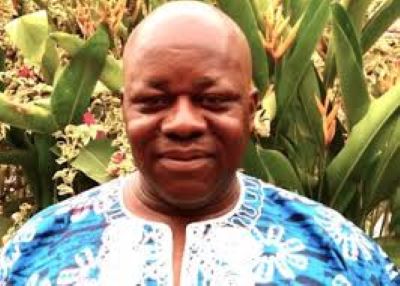
Prof. Jibrin Ibrahim
Share
Facebook Twitter LinkedIn Pinterest Email

One of the things we know from the history of democratisation all over the world is that no country has succeeded in institutionalising democracy without bringing all sectors of the community into the theory and practice of governance. Following the Second World War in which the colonial powers deployed tens of thousands of soldiers from the colonies to fight “for freedom”, the soldiers came back to a political reality of being subjects of an essentially enslaved colonial country. Their response was to struggle for independence, which they did successfully. Nigeria returned to democracy in 1999 following a broad-based struggle against military rule in which all sectors of society were involved. The composition of successive governments since 1999 has however been heavily skewed in favour of men. What is most alarming however is that the percentage of women in appointive and elective positions has been declining since the inauguration of the Fourth Republic. The military tradition of gender tokenism by appointing one or two women into cabinets and boards has been disappearing since the political class took over power.

The irony is that Nigerian political parties have committed themselves to women’s political participation. They simply refuse to do what they promise. The Federal Government has also articulated its commitment and a National Gender Policy that stipulates 35% affirmative action for women in elective and appointive positions has been in existence for decades. Nonetheless, the representation of women in decision-making positions continues to decline.

Recently, President Bola Ahmed Tinubu forwarded the names of members of the inaugural Governing Board of the North West Development Commission to the Senate for confirmation. The nominees are: 

Chairman: Haruna Ginsau (Jigawa)

MD/CEO: Abdullahi Shehu Ma’aji (Kano)

Members:

– Yahaya Umar Namahe (Sokoto)

– Aminu Suleiman (Kebbi)

– Tijani Yahaya Kaura (Zamfara)

– Abdulkadir S. Usman (Kaduna)

– Muhammad Ali Wudil (Kano)

– Shamsu Sule (Katsina)

– Nasidi Ali (Jigawa)

There is no single female. This has been the tradition, especially for appointments affecting the North West and North East zones. Although these appointments are supposed to provide a cross-section of society, yet, women, youth and persons living with disabilities are almost systematically excluded. How can they contribute to the equitable distribution of resources?

Two years ago, five constitutional amendment bills were proposed to address the problems of discrimination against women. Nigerian women and rational men made the argument that Nigeria belongs to all citizens, half of whom are women. The systematic discrimination against women and their marginalisation in national and state affairs must stop if Nigeria is to develop into an inclusive and functional democracy. All five bills were rejected by “Distinguished” Senators and “Honourable” Members of the National Assembly demonstrating their contempt and lack of regard for Nigerian women.

One of the bills sought to grant citizenship to foreign-born husbands of a Nigerian woman. Currently, all Nigerian men married to foreign-born wives have the right to automatically confer citizenship to their wives. The National Assembly took the position that this right should not be enjoyed by Nigerian women.

Another bill sought to allocate 35 per cent of political positions based on appointment to women. This would have given meaning to the 22-year-old Nigerian gender policy that first enunciated this position. Nigerian men were ready to accept the policy as a theoretical right which had never been implemented. Precisely for this reason, the Bill sought to give teeth to this government policy so that it could be implemented and they threw it out.

One of the most important Bills sought to create special seats for women in National and State Assemblies. This was proposed because the men who are gatekeepers in political parties have almost always blocked women seeking nominations to contest for parliamentary seats. The reserved seats would have gone around this problem and it is now crystal clear that these men simply do not want women access to decision-making arenas in the country.

Given the history of male gatekeepers within political parties regularly blocking female aspirants, another Bill proposed applying the 35% gender policy in the appointment of women into party administration and leadership. This too was thrown out.   

Yet another Bill rejected by the National Assembly had sought to address the problems of marginalisation that women face when they are married to men from States they are not indigenes of. The proposal was that such women should automatically enjoy the indigeneity of their husbands. This too was thrown out.

The cavalier manner in which the last National Assembly threw out these Bills very clearly says that they do not want progress for Nigeria, their sole interest in enhancing the power of Nigerian men. This is unacceptable and Nigerian men must come out and demand that all five gender Bill be reconsidered in the current National Assembly. Inclusiveness for women will benefit not just women but Nigeria as a whole. More women in governance will only bring progress, and respect for Nigeria in the committee of nations. Even more important, by ensuring Nigerian women enjoy fully the rights the Constitution says are for all citizens, we deepen our democracy and enhance respect and consideration to the other half of our citizens. It would simply make all of us better human beings. What the disrespect to women by successive national assemblies has shown is that most of the members have very little respect for democracy and we as citizens must make our voices heard loudly and clearly on the matter.

Nigeria has a federal character principle that seeks to ensure ethnic and regional integration into the power equation. Nigerians are also passionate about ensuring equitable religious representation in appointive and election positions. It is time for us to recognise that 50% of the Nigerian population are women so we need a gender character principle to make inclusiveness more comprehensive. Men should speak up and provide impetus for this initiative. It is a liberating policy for society as a whole.

Gender Discrimination North West Development Commission
Share. Facebook Twitter Pinterest LinkedIn WhatsApp Reddit Tumblr Email
Editor
  • Website

Related Posts

US-Iran war: Bloodshed, dialogue, and accentuated lessons, BY Prof. M.K. Othman

June 30, 2026

Now, no one, nowhere is safe (III), by Hassan Gimba

June 28, 2026

Nigeria’s neem advantage: Unlocking a strategic bioeconomy industry for climate, agriculture and industrial growth, Dr Fakunle Aremu

June 22, 2026

Leave A Reply Cancel Reply

Kebbi distributes 110 truckloads of fertiliser, improved seeds to 120,000 farmers

July 2, 2026

Enugu urges media to intensify awareness of free healthcare programmes

July 2, 2026

Naira gains against British pound as CBN policies support currency stability

July 2, 2026

Sokoto strengthens flood preparedness for 2026 season

July 2, 2026
About Us
About Us

ASHENEWS (AsheNewsDaily.com), published by PenPlus Online Media Publishers, is an independent online newspaper. We report development news, especially on Agriculture, Science, Health and Environment as they affect the under-reported rural and urban poor.

We also conduct investigations, especially in the areas of ASHE, as well as other general interests, including corruption, human rights, illicit financial flows, and politics.

Contact Info:
  • 1st floor, Dogon Daji House, No. 5, Maiduguri Road, Sokoto
  • +234(0)7031140009
  • ashenewsdaily@gmail.com
Facebook Twitter Instagram Pinterest
© 2026 All Rights Reserved. ASHENEWS Daily Designed & Managed By DeedsTech

Type above and press Enter to search. Press Esc to cancel.