


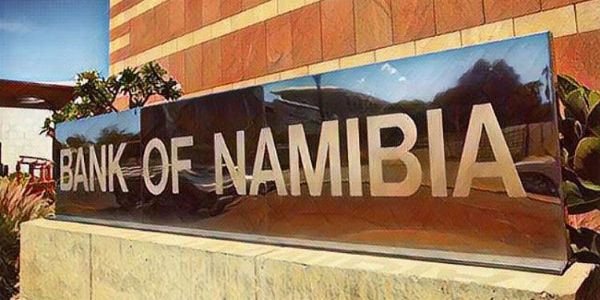
The Bank of Namibia kept its benchmark policy rate unchanged at 6.50% following its first Monetary Policy Committee (MPC) meeting of 2026, signaling caution amid easing inflation and shifting regional trends.
New Governor Ebson Uanguta chaired the session, extending the December hold as policymakers balance domestic price relief against South African influences and external risks.
Namibia’s annual headline inflation eased to 2.9% in January from 3.2% a year earlier, per the Namibia Statistics Agency. Core inflation (excluding food and energy) ticked up slightly to 3.2%, indicating persistent underlying pressures.
This divergence prompted the central bank to await firmer evidence of anchored inflation before easing.
Namibia’s policy closely tracks South Africa’s due to the Namibian dollar’s 1:1 peg with the rand, plus deep trade and financial ties. Even with moderating local inflation, Windhoek prioritizes alignment to safeguard currency stability.
Regional peers echo this restraint: South Africa’s inflation dipped to 3.5% in January, fueling rate-cut bets; Uganda held at 9.75%.
In West Africa, Nigeria’s Central Bank of Nigeria holds its 304th MPC meeting February 23-24 after keeping rates at 27% in November 2025 to tame inflation and forex woes (Nairametrics).
Namibia’s stance underscores a continent-wide preference for stability over premature cuts.
